BoredomBusted — Find Your Next Favorite Thing To Do
Discover hobbies, activities, places, and ideas that spark joy. Whether you're looking for something creative, active, social, or relaxing, BoredomBusted helps you find your next favorite thing to do.
Browse our hobby guides, things-to-do collections, and place ideas to never be bored again.
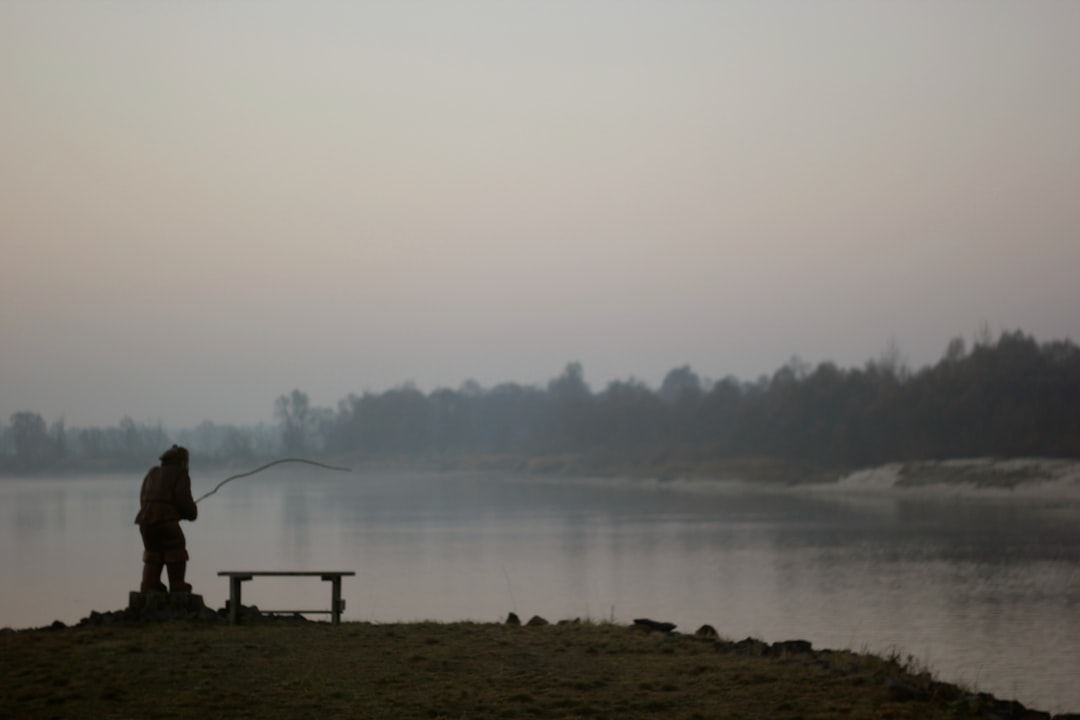
Freshwater fishing isn't just relaxing; it's a tactical game where understanding fish behavior and environmental factors can mean catching vastly more than your neighbor.
Getting started with freshwater fishing as a beginner means finding a local lake, river, or pond where you can use a rod, line, and hook. You cast, wait, and react when something bites.
A $30 rod and a public pond get you fishing on day one — no boat, no expensive gear required.
In freshwater fishing, hobbyists physically engage in locating fish in natural water bodies, casting lines with bait or lures, and reeling in catches, all while adapting techniques based on environmental conditions and fish behavior.
This hobby fosters a flow state through the unpredictability of fish interactions, providing immediate skill feedback as anglers adjust their strategies, which cultivates both a sense of accomplishment and immersion in nature.
You think freshwater fishing is something retired guys do in lawn chairs. Quiet. Slow. Basically a nap with a rod.
That assumption is costing you one of the most tactically rich outdoor hobbies you can actually do alone.
Picture this: one guy spends three hours on the lake and catches twelve bass. Another angler, just fifty feet away, hooks only two. Same water, same time, but a completely different approach.
The tactical layer is real. And it starts before you ever touch the water. Mastering these elements transforms fishing from a waiting game into a strategy session.
Fishing looks serene on screen. But in reality, you're untangling line for 40 minutes before even casting. It feels like a waiting game with hidden challenges.
The peace vanishes into confusion. Tangled knots you don't remember, casts going awry, and nibbles you almost miss—the reality of starting isn't as simple as it seemed.
Week one has you spending more time on rigging than fishing. This is expected. By week two, your casting improves, yet you're still fishing in barren spots.
By week three, a missed bite finally clues you into why people get hooked on fishing. Week four reveals details you missed before—shade edges, current breaks. Suddenly, the lake isn't just water. It's a living map of fish habitats.
One crucial thing: learn the improved clinch knot. Rookies bring multiple knot types they use poorly. Have one knot you can tie confidently; it's better than struggling with four.
When to start: Early morning
Duration: 2 hours
Cost to try: $30
Success criteria: If you cast 10 times and get your bobber to land within 10 feet of a weed line, dock, or shoreline edge, do session 2.
The bank transmits vibration, and fish feel you coming before you cast. Stop 10 feet back, crouch slightly, and make your first cast before you ever reach the edge.
Thick monofilament kills the natural movement of light lures and small live bait – and the fish notice immediately. Drop to 4–6 lb test for most freshwater situations and watch your bait actually behave like food.
Bass grabs look violent on YouTube, so beginners wait for drama that never comes with crappie or bluegill. The moment you feel weight or resistance, lift the rod sharply – that delay is costing you fish.
Most beginners find a comfortable cast and just... repeat it. Fish move vertically throughout the day as temperature and light change – count down your lure to different depths until you find where they're actually sitting.
A frayed knot holds until it doesn't, usually on the biggest fish of the day. Run your thumbnail along the line above the hook after every 20–30 casts, and re-tie the second it feels rough or waxy.
Lakes, rivers, reservoirs, and fishing ponds are where you'll find freshwater fishing. Pay-to-fish venues are also a great option. They're stocked and less crowded, making them perfect for beginners.
Search for nearby clubs by heading to Facebook Groups with "[your state] freshwater fishing." These groups are active and perfect for asking beginner questions.
Fishbrain, the app, also offers a community layer to find local groups and popular fishing spots complete with species data.
Check the American Sportfishing Association or your state's fish and wildlife agency site for clubs listed by region. Avoid long searches; these resources connect you fast.
Introduce yourself as a beginner when you reach out. Clubs often provide a guided session and lend gear. They want new members, and they'll make sure you're supported.
The American Sportfishing Association is the national body to know in the US.
For competitive angling, B.A.S.S. is your go-to. They offer a popular tournament structure for group fishing enthusiasts.
Imagine a quiet bank, a rod in hand, and the possibility of a fish nibbling at your line. No expensive boat or gear is needed.
Perfect for trying fishing without a big upfront investment.
Current and movement complicate the game. You're finding the right spots, adjusting constantly.
For those who see fishing as more of a puzzle.
Waders help here, costing around $80–$200.
Fly fishing uses a unique technique and gear. Mastering the casting takes patience and practice.
Ideal for those who enjoy the craft itself.
Expect to spend $150–$300 extra on a fly fishing setup.
Stand on a frozen lake, drill a hole, and drop your line.
Great for those in cold climates who enjoy a more social and patient activity.
A kayak allows you to access parts of the water you can't reach from the bank.
Perfect for those with a kayak who want more than just paddling.
A fishing kayak costs about $400–$900.
If you want a related angle, Carp Fishing is the natural next stop.
Readers who enjoy this often gravitate toward Saltwater Fishing next.
Most beginners focus on casting farther and buying better lures. But they miss the key skill.
Reading water determines where the fish are. It's about understanding structure, current, depth change, and cover on any body of water.
Spot the seam where slow water meets fast. Notice the ledge dropping from 4 feet to 12. Find the shaded overhang where bass hide all afternoon.
Master reading water and you'll succeed with average lures if they're in the right spot. Otherwise, you're guessing, covering water blindly, and blaming slow days on bad luck.
Good days start feeling earned, not accidental.
Study satellite maps like Google Maps or Navionics to find depth contours and bottom structure. Mark three spots to try before you even arrive.
Spend 5 minutes observing water before casting. Notice current breaks, shade lines, and transition points—these are fish magnets.
After each catch, identify why it worked—whether it was a shallow shelf or a shaded bank. This builds a mental library you'll instinctively use later.
Four fishing trips over 30 days. That's your real test.
This isn't about one amazing day. Patience and variety count. Four trips mean different conditions, spots, and luck. Enough for the real story.
If you find yourself making excuses to head back out—checking forecasts, scoping out new fishing spots, planning your next technique tweak—that's more than just itchy feet. That's the hobby catching you. Start building a modest tackle box and focus on mastering one local waterway.
If fishing was just okay, and you left it on the water between trips, consider this: maybe fishing is just more fun with company. That's its own zone. Try another session with a more seasoned friend before you decide.
Watched the clock and hated the quiet? Listen to that. A new lure won't change your experience. This hobby thrives on calm and slow time.
No close water access? Tough to keep up. Consistency matters here, and long drives won't help.
If your life is packed with commitments, fishing will clash. Short windows don't work well. This isn't about squeezing it in.
Distressed by catch-and-release? That's a big deal. It's not just beginner nerves. Be open about it before diving in.
Catching yourself watching fishing videos late into the night 'just because'? That's the quiet signal this might just be your thing.
Still looking for something to do? Browse things to do when bored for more ideas.
You can start with a basic setup for $50–150, including a rod, reel, line, and tackle box. As you progress, you may invest in specialized equipment for different fish species or techniques, but beginners don't need expensive gear to enjoy the hobby and catch fish successfully.
Most states and regions require a fishing license, which typically costs $15–50 annually for residents. Regulations vary by location, so check your local fish and wildlife department's website for specific requirements, license types, and any special permits needed for certain waters.
You can grasp casting fundamentals and catch your first fish within a few outings, usually 2–4 trips. Mastering different techniques and understanding fish behavior takes months of practice, but enjoyment and success come quickly for beginners.
No—freshwater fishing is beginner-friendly, especially at popular spots with abundant species like bass and bluegill. Start at calm lakes or slow rivers, practice your casting on land first, and learn one technique at a time rather than overwhelming yourself with options.
Spring and fall offer ideal conditions as water temperatures are moderate and fish are actively feeding. Summer and winter are possible but require adjusted techniques—early mornings and dusk work best in summer heat, while winter demands patience and knowledge of deeper, warmer spots.
Common freshwater species include bass, trout, bluegill, catfish, and crappie, depending on your region and water type. Lakes typically host sunfish and bass, while rivers offer trout and catfish—check local fishing reports to see what's thriving in your area.