BoredomBusted — Find Your Next Favorite Thing To Do
Discover hobbies, activities, places, and ideas that spark joy. Whether you're looking for something creative, active, social, or relaxing, BoredomBusted helps you find your next favorite thing to do.
Browse our hobby guides, things-to-do collections, and place ideas to never be bored again.
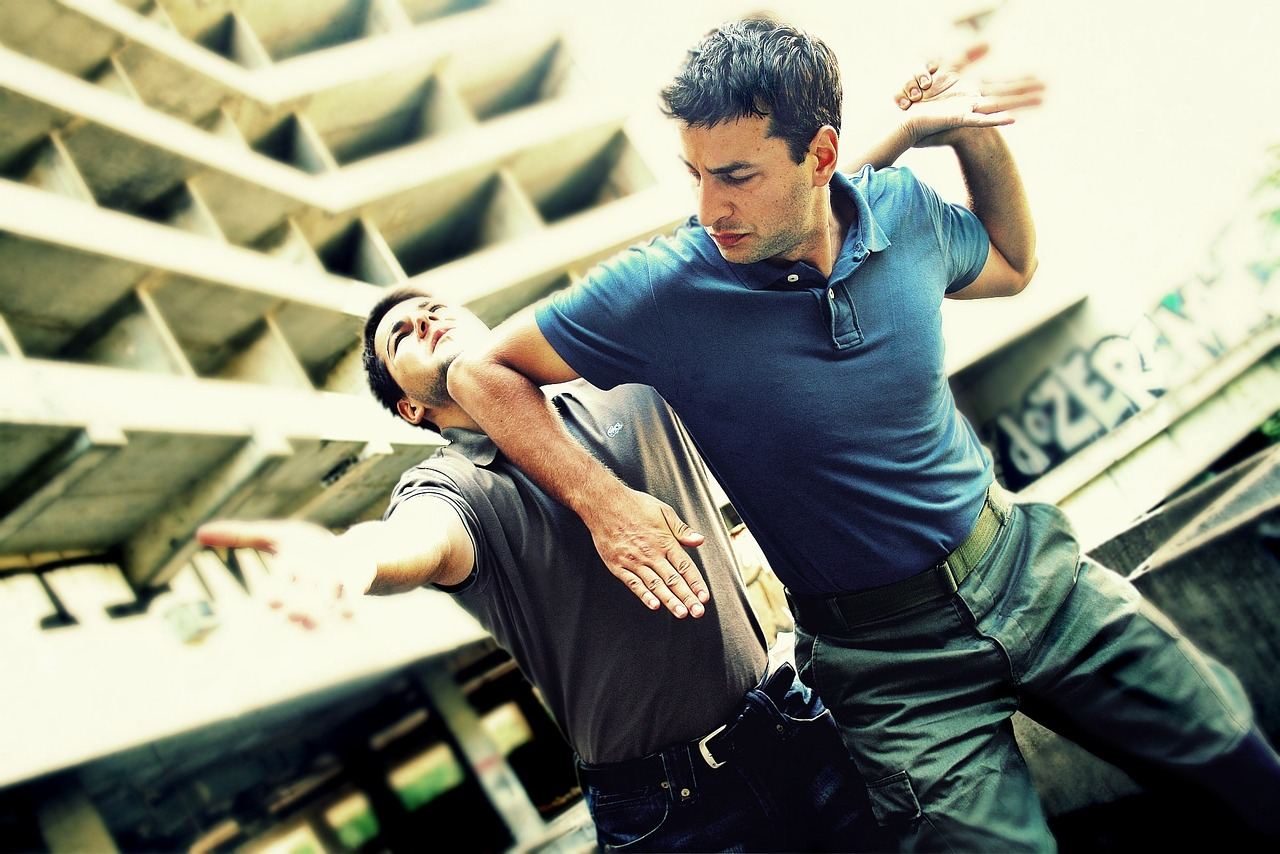
Krav Maga isn't just for fighters—it's about gaining confidence in unpredictability, not just learning to fight back.
Learning Krav Maga as a beginner emphasizes practical techniques for self-defense that can be applied in real-world situations.
It trains you to neutralize threats fast – using strikes, escapes, and instinct-based reactions, not forms or competition.
Unlike martial arts such as karate or BJJ, there's no sport version, no belt politics, and no moves that only work in a gym.
Krav Maga involves engaging in solo physical drills that include explosive strikes, defensive movements, and core conditioning, typically structured into warm-ups, technique rounds, and cool-downs, allowing practitioners to simulate real-world aggression through high-intensity, repetitive combinations.
Krav Maga fosters a flow state through high-repetition drills that require intense focus, providing immediate skill feedback as practitioners refine their techniques, while also delivering a sense of accomplishment from rapid improvements in core strength and combat readiness.
You think Krav Maga is for those in tactical gear looking for a fight. It's a misunderstood assumption. And it's keeping you away from something much more valuable.
Most martial arts teach you how to endure or win a fight. Krav Maga flips that on its head. It's about de-escalation first, then a controlled response, and finally getting to safety. Your nervous system will often betray you under stress. Krav Maga uniquely trains you in chaotic conditions so that when your brain checks out, your body knows what to do. What it equips you with is not just the ability to fight but a kind of confidence that changes your everyday life.
A woman in her mid-forties joined a beginner class thinking she'd feel awkward. After just six weeks, everything changed for her. She learned it wasn't about winning a fight but about shedding the belief that she couldn't.
The real starting point is abandoning old beliefs. Forget your preconceived notions about the first class, because it's nothing like you expect.
Watching Krav Maga on a screen feels straightforward. In reality, the chaos of your first class is nothing like that. Your biggest surprise will be how disorienting it is compared to those clean YouTube clips.
You'll enter confident from all the videos you've watched. By the end, your arms will burn, you'll forget the drills, and you'll feel like you need to sleep for a week. Your body will remind you that understanding isn't the same as executing under pressure.
Expect confusion in week one. Footwork and breathing will both feel awkward and misplaced. By week two, you'll glimpse progress, but your reactions will lag behind. Partner drills in week three will expose just how little muscle memory you have. That's the turning point. As week four hits, one move will finally stick, and the magic is in that small victory.
You'll want to quit around week two. Soreness and feeling behind is normal. This is part of the training, as Krav Maga forces you to make decisions under stress before your technique is locked in. It's not just about learning moves—it's about enduring discomfort.
Start smart: prepare your non-dominant hand first. Beginners often jump in with their dominant hand, only for the other to lag. A light two-minute shadowbox with your weak hand before your first class can make a big difference in your performance.
When to start: Morning
Duration: 1 hour
Cost to try: $10 (for a water bottle and towel)
Success criteria: If you can throw 10 clean jabs, crosses, and hooks on target, then break free from a wrist grab without losing balance, do session 2.
New students tend to jump straight into throwing punches.They miss that Krav Maga starts with reading distance and threat cues before any contact.
Many assume chaining techniques seems efficient.Real attacks don't provide perfect setups, so training this way builds faulty muscle memory.
Gloves and pads give beginners a sense of progress, but they often over-rely on padwork instead of pressure testing needed for freeze-response handling.
Receiving the knife at the same angle every time isn't a disarm.It's choreography that builds false confidence.
After combos, students often pause for feedback, a habit that can cause freezing after a real hit lands.
Krav Maga classes take place in martial arts gyms, self-defense studios, and sometimes even at CrossFit or fitness centers with certified instructors. In certain cities, you'll find standalone Krav Maga academies—dedicated venues focused solely on the practice. These spaces are perfect for immersive learning without distractions.
Start off by mentioning you're new and eager to learn. Doing this ensures the instructor tailors your first experience to your level. They won't push you into live sparring right away, making your introduction to Krav Maga positive and welcoming.
Most commercial gyms teach this version. Emphasis is on real-life scenarios like grabs, chokes, and muggings. No sport rules or competition elements, and
ideal for starting your Krav Maga journey.
Originally for the IDF, this version emphasizes weapon disarms and life-or-death situations. Civilian versions often tone this down for safety and legality. Suited for those comfortable with military intensity or experience.
Focuses on the needs of uniformed officers. Controls suspects, retains weapons, operates with gear. Techniques don't assume retreat. Tailored for current or future public safety roles.
A competitive version exists with rules, protective gear, and point scoring. This adds structure that traditional Krav Maga lacks. Great if you like sparring, but it changes real-world application.
Short programs target common attack patterns against women. Think close-contact grabs, ground situations, domestic threats. Perfect for fast, focused skill-building without the long-term commitment.
Women's self-defense classes are budget-friendly, often as 4–8 week standalone courses.
Wrestling lives in the same world — different mechanics, similar appeal.
If the texture of this appeals to you, Lethwei is built on similar bones.
Another variant that pulls from the same roots is Kendo.
Techniques aren't the main issue for beginners. They focus on mastering moves like a choke defense. But that's not what really makes the difference.
The real game-changer is recognizing threats before they attack. Train to read cues like posture shifts or hands rising before anything happens.
Once you get this skill, your techniques start to click. You're ahead of the game, not scrambling to catch up after contact.
Without early recognition, your perfect moves never connect because you're reacting too late. The clean counters only work if you're not in panic mode.
This anticipation builds a powerful memory cue.
Commit to 8 sessions over 30 days. That's roughly twice a week, enough to move beyond initial awkwardness and start grasping techniques.
If thoughts about class linger between sessions — replaying drills, annoyed by mistakes, checking schedules — it's not obsession. That's genuine engagement. Sign up for another month and start asking your instructor for focused guidance.
If you're indifferent — just showing up, doing the work, and moving on — it's often not personal. It's probably an issue with the setting. Try a different school or instructor before deciding it's not for you.
If you dreaded each session by the fourth one and felt worse after attending, it's a clear sign. This isn't the right fit. Some people want more technique and tradition. Consider a different martial art.
The unmistakable sign you're in the right place: when you see a self-defense clip or hear a story about freezing in a crisis, and you think, "That's not going to be me." If this thought arises repeatedly, you're aligned with what Krav Maga offers.
Curious what else is out there? Skim our list of hobbies for ideas that go in a different direction.
For ideas that take five minutes instead of five weeks, see things to do when you're bored.
Krav Maga is a self-defense system developed in Israel that focuses on practical, real-world threats rather than sport competition or tradition. Unlike martial arts such as karate or taekwondo, it emphasizes instinctive movements, simultaneous defense and offense, and doesn't rely on belts or rankings to progress.
Most people can learn basic self-defense techniques within 4–8 weeks of consistent training, typically 2–3 classes per week. Reaching an intermediate skill level usually takes 6–12 months of regular practice.
No prior experience is necessary—Krav Maga classes are designed for absolute beginners. Instructors teach foundational techniques progressively, and you train at your own pace alongside people of all fitness levels.
Most gyms charge $80–$200 per month for unlimited classes, though introductory packages or single drop-in classes often cost $15–$30. Costs vary depending on location and the facility's reputation.
Yes, beginner classes emphasize controlled practice and proper technique to minimize injury risk. Most training involves partners working at reduced intensity, and instructors teach students to communicate when they're uncomfortable.
Your first class will include a warm-up, basic stance and footwork instruction, and practice of fundamental strikes and defense techniques. You'll likely train with a partner, move at your own intensity level, and finish with a cool-down—expect to be challenged but not overwhelmed.