BoredomBusted — Find Your Next Favorite Thing To Do
Discover hobbies, activities, places, and ideas that spark joy. Whether you're looking for something creative, active, social, or relaxing, BoredomBusted helps you find your next favorite thing to do.
Browse our hobby guides, things-to-do collections, and place ideas to never be bored again.
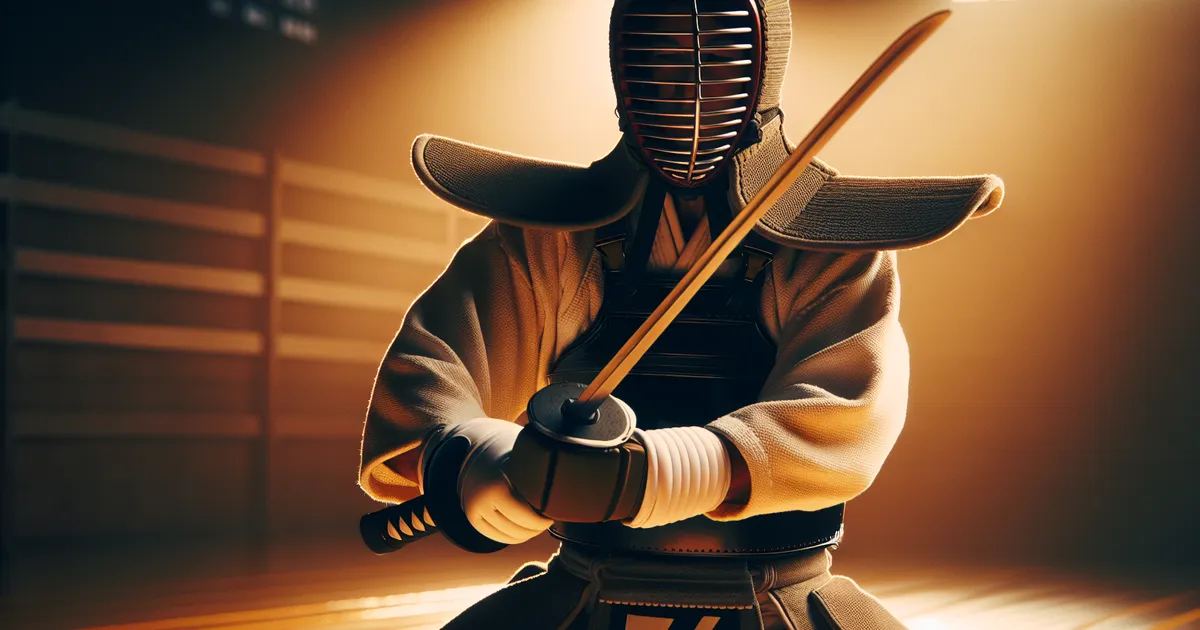
Kendo isn’t just swordplay; it’s a powerful pressure management tool that teaches resilience and unreadability, skills invaluable in daily life.
Getting started with kendo as a beginner involves learning the fundamental techniques of sword fighting while wearing protective armor and using bamboo swords (*shinai*) and full protective armor (*bogu*).
Two practitioners score points by striking valid targets with correct technique, spirit, and posture simultaneously.
Unlike fencing, winning isn't just physical contact – it requires a unified moment of mind, body, and sword that referees actively judge.
In Kendo, participants engage in keiko (sparring practice) while wearing bogu (armor) and using a shinai (bamboo sword), focusing on executing precise footwork, strikes, and maintaining mid-level guard posture under intense physical and mental demands.
Kendo combats boredom by fostering a flow state through intense concentration during short bursts of activity, where the mental demands of timing and opponent pressure create immediate engagement and tangible progress in skill through structured drills.
You think Kendo is cosplay with sticks. Grown adults swinging bamboo swords at each other, pretending to be samurai. That's the assumption — and it's costing you a genuinely strange and useful hobby.
Kendo is a pressure management system disguised as swordsmanship — every match forces you to act decisively under physical and psychological stress, simultaneously.
The etiquette isn't decoration. Bowing, silence, and ritual are how the dojo teaches you to reset after failure — a skill most people spend years in therapy trying to develop.
Your opponent can read hesitation in your shoulders before you move. Kendo trains you to be unreadable — which turns out to be useful in every negotiation you'll ever have.
Meet Kenji Watanabe. He spent six years in matches losing not because of physical strength but because of a main split-second giveaway — doubt before each strike. His instructor didn't point it out. The mirror did. That's a Kendo lesson: the problem is usually visible before it's solvable.
Do you need to be fit to start? Don't worry; it might surprise you.
Watching kendo feels like observing an intricate dance of violence. But the moment you grip a shinai, reality hits. Your arms struggle to follow your brain's instructions.
The transition from observer to participant is rough. Kendo basics appear simple until you try executing them yourself.
Week one has you learning to walk — not in the traditional sense, but mastering okuri-ashi, a sliding step that feels awkward and unsteady.
By week two, basic strikes are introduced, revealing a lopsided effort. Your right arm works far more than it should, a typical mistake for newcomers.
Partner drills in week three make it clear how easily precision falls apart. Suddenly, the presence of another person disrupts the techniques you thought were solid.
In week four, something begins to click. One accurate strike or step offers a glimpse of understanding why kendo draws people back.
It isn't that kendo is tougher than other martial arts. The immediate feedback is what's challenging, as your intentions versus the shinai's actions are loud and clear.
Before you start, know this: the kiai, your battle shout, is non-negotiable and must be loud from day one. If you hold back, the dojo will notice.
When to start: Morning
Duration: 1-2 hours
Cost to try: $0
Success criteria: If you can land 10 clean shinai strikes to a fixed target with correct stance and footwork, do session 2.
When holding a shinai, your instincts betray you—squeezing it like a weapon feels right, but isn't.
Grip it like a wet towel with the bottom three fingers, keeping the rest loose. Your sensei will insist on this early, so master it now.
Focusing solely on cutting can diminish your speed and technique. Footwork becomes neglected, which is why your form suffers.
Master the arm motion with solo practice—freeze the feet until it's natural. Then, practice your foot stomp as a separate skill.
Seeing the armour makes beginners eager to spar prematurely. The rush to spar can lead to entrenched bad habits.
Focus on basics for the first few months. Stick to keikogi and hakama until your sensei allows you to advance.
The kiai feels awkward to new practitioners, leading to weak vocal attempts.
Engage your diaphragm when shouting—aim for volume like you're calling across a distance. The effort should be physical, not vocal, avoiding any throat strain.
In free sparring, beginners fixate on the shinai, falling into experienced players' traps.
Focus on the throat and chest—known as 'distant mountain' vision. This allows you to read body movements rather than reacting to distractions.
Kendo happens in dojo spaces, university martial arts halls, and community recreation centers. These venues offer regular practice sessions for clubs and individuals.
Go to the All United States Kendo Federation (AUSKF) website. Use auskf.info to find affiliated dojo by state. Local clubs linked there ensure quality instructors and safe training environments.
Search online for "kendo dojo [your city]" or "kendo club [your state]" using AUSKF affiliation as a filter to ensure good quality training.
Try Meetup.com with the search term "kendo". Smaller groups often practice independently when there's no formal dojo available.
University martial arts clubs can be hidden gems. Search for "[your university name] kendo club". Most welcome beginners, even those who aren't students.
Walk in and ask: "I'm new – do you offer a beginner's introduction or trial class?" This simple question gets you a trial session and often a loaner shinai. You'll be paired with a senior student to guide you through your first practice.
Most people stick with Kendo, but knowing what else exists helps you understand where the art can take you.
Kenjutsu trades competition for tradition. It's less about points, more about actual combat scenarios. Ideal for those seeking historical authenticity over modern sport.
Iaido is about drawing and cutting with a blade, all in your own space. There's no sparring involved. Perfect for those who want a meditative practice without physical contact. Budget for a blade, adding $200–$500 in costs.
Naginatado replaces the sword with a polearm, a unique offering in martial arts. It's a space where women lead, thriving in its dedicated federation and ranking system.
Jodo offers a paired experience—wooden staff versus sword. Alternating roles make it ideal for those in Kendo looking for complementary practice. A low-barrier option in Kendo dojos often includes Jodo.
Sport Chanbara is your low-commitment entry. Foam weapons and minimal gear make it accessible. Ideal for beginners not ready to spend $500+ on gear yet but want to explore swordplay lightly.
A close neighbor worth considering: Kabaddi.
Wrestling is a sibling pursuit and often surfaces the same kind of curiosity.
Mixed Martial Arts lives in the same world — different mechanics, similar appeal.
Most beginners focus on hitting harder and faster. They're optimizing the sword when the real problem is their feet.
Power in Kendo doesn't come from your arms; it comes from seme – the intentional pressure you create before the strike ever lands.
Seme is advancing your center into your opponent's space to provoke a reaction and then striking the opening they create. It's not about swinging your shinai. It's about creating a posture that makes your opponent feel threatened.
Without it, you're just two people taking turns swinging – and the faster person wins, which is never you at first.
With seme, you control timing. You're no longer reacting; you're forcing them to react. Every strike you've been drilling finally has a reason to land.
You need eight Kendo sessions in 30 days, about twice a week. This schedule aligns with how most dojos structure beginner classes.
If you can't wait for the next session, you're onto something here. It's not about being good; it's about something in Kendo that resonates with you, whether that's the formality or the focus. If this sounds like you, start budgeting for your own bogu and plan for the long run.
You attended all the sessions but didn't think about Kendo outside of them. This suggests a misalignment between the effort and reward you're experiencing. Before you step away, consider another month, but know that indifference at this point usually means it won't change.
If you found the practices uncomfortable and unappealing, it's okay to stop. Whether it's the shouting, rigid hierarchy, or repetitive motions that didn't sit right, these are signs that it might not be the right hobby for you, and that's perfectly valid.
Watching Kendo matches late at night to figure out techniques is the signal it's a fit. This natural, unprompted curiosity is a great indicator you're genuinely interested.
Sometimes you just need something for the next ten minutes — that's what things to do when bored is for.
Beginners typically start with a bamboo sword (bokken) and protective gear called bogu, which includes a helmet, gloves, chest protector, and waist guard. Most kendo dojos provide or rent equipment for beginners, so you don't need to buy everything upfront. Comfortable clothing and a sense of commitment to learning proper technique are more important than having your own gear initially.
Most students can learn fundamental techniques and achieve their first promotion (around 10th kyu level) within 3–6 months of regular training, typically 2–3 times per week. However, reaching higher ranks and true proficiency takes years of dedicated practice. Progression depends on training frequency, quality of instruction, and personal effort.
Kendo is a contact sport with injury risks, but safety measures are built into the practice. Proper protective gear, controlled technique, and strict dojo rules minimize serious injuries; minor bumps and bruises are common. Training partners focus on controlled strikes rather than maximum force, and instructors enforce safety standards to keep the activity as secure as possible.
Monthly dojo fees typically range from $50–$150 depending on location and facility quality, with many dojos offering discounted rates for students or families. Equipment costs vary but beginners can start with rented or basic gear for under $200, while a full personal set of quality bogu can cost $300–$1000+. Most dojos provide rental equipment or can recommend affordable starter options.
Kendo focuses on one-on-one sparring with a partner using bamboo swords and emphasizes speed, timing, and competitive scoring. Iaido is the art of drawing and striking with a practice sword solo, without a partner. Kenjutsu is the broader traditional martial art of swordsmanship, while kendo is the modern competitive sport derived from it.
No prior experience is required—kendo welcomes complete beginners of all ages. Instructors teach fundamentals from scratch, starting with basic footwork, posture, and striking techniques before sparring. However, having any martial arts background can help with discipline and body awareness, it's not necessary to begin.