BoredomBusted — Find Your Next Favorite Thing To Do
Discover hobbies, activities, places, and ideas that spark joy. Whether you're looking for something creative, active, social, or relaxing, BoredomBusted helps you find your next favorite thing to do.
Browse our hobby guides, things-to-do collections, and place ideas to never be bored again.
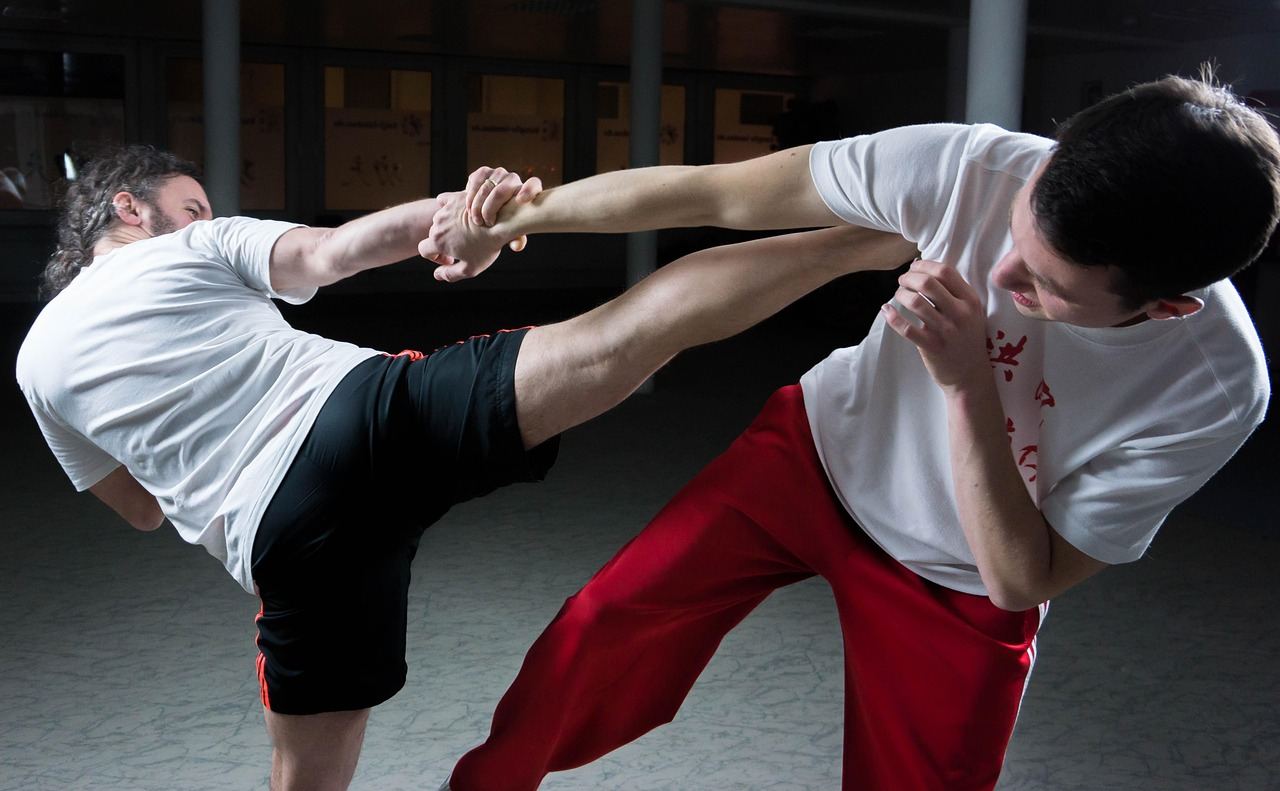
MMA isn't just about fighting; it requires mental strategy like chess and initial training focuses on technique, not aggression or toughness.
Getting started with mixed martial arts as a beginner involves understanding the fundamentals of various combat techniques and how they work together within a unified framework.
Fighters can win byknockout, submission, or judges' decision.
Unlike boxing or *BJJ*, MMA demands competence across every range of combat –standing, clinching, and on the ground.
In Mixed Martial Arts (MMA), practitioners engage in intense sessions that combine striking, grappling, and conditioning exercises, like push-ups mimicking punches, medicine ball throws for rotational power, and clinch work to resist movement, all aimed at skill improvement and physical fitness.
MMA creates flow states through its dynamic movements and unpredictable positions that require full concentration, while immediate feedback from physical exertion fosters a sense of accomplishment and rapid skill development, combating boredom by ensuring constant engagement and novelty.
You think MMA is just fighting. Two people in a cage, trying to hurt each other, no real skill involved – just aggression with better PR.
MMA demands more than brutality. It's one of the most complete physical and mental disciplines you could explore.
Training combines skills from wrestling, Brazilian jiu-jitsu, Muay Thai, boxing, and judo. One discipline alone takes years, so MMA athletes develop a complex map of human movement unrivaled in other sports.
Mentally, it's not about swinging wildly. It's like chess: every position has a counter, every counter a subsequent counter.
Most gyms feel different than you'd expect. Past the front door, the intimidating cage-fighter energy vanishes, replaced by people slowly drilling footwork and asking questions.
Picture a 35-year-old accountant starting jiu-jitsu. Three months in, she'll tell you she expected to feel tough. Instead, she spent weeks just learning how to fall correctly.
That's the entry point. Precision over violence defines the journey.
Once you know what MMA really is, the next question is whether your body and schedule can handle it. Spoiler: the requirements are probably not what you'd guess.
The first thing that hits you is the unpredictability. Watching MMA feels frictionless—like the fighters are reading each other's minds. You, however, will feel more like you're fumbling with a foreign language.
Your confidence evaporates quickly. The stance feels awkward, and your muscles protest. The techniques vanish the moment you're touched. The drive home is much quieter than you expected.
Getting tapped out isn't a setback—in fact,it's an essential part of learning. There's no medal for stubbornness in MMA. Tapping early helps prevent injuries.
Soon you're questioning your choices.This feeling doesn't mean stop. It's the barrier many quit at, but those who push past it start improving rapidly.
Next up, let's explore the mistakes that can keep you in that frustrated state longer than needed.
When to start: Early morning
Duration: 1 hour
Cost to try: $20
Success criteria: If you finished without any injuries, do session 2.
Many beginners stick to familiar styles like wrestling or boxing.
Spend one session a week in your weakest area. Strikers, start every round on your back.
Beginners often want to test their skills immediately, leading to overly intense sparring.
Focus on feeling the pattern rather than just enduring hits.
YouTube strikes and Reddit wrestling won't help with clinching, an often ignored area.
Tense muscles and clenched jaws lead to fatigue fast.
Newbies often buy too much gear upfront that goes unused.
MMA is trained at martial arts gyms that specialize in multiple disciplines. Many boxing and Brazilian jiu-jitsu gyms also offer MMA classes.
Walk in and say "I'm a complete beginner – do you have a fundamentals class or a trial session?"
That phrasing helps you find a structured intro class, not an unplanned spar with a seasoned fighter.
No-Gi Submission Grappling focuses on chokes and joint locks without any striking. This is the quickest way to master the grappling aspects of MMA. Ideal for those wanting functional ground techniques before tackling stand-up. Less gear is needed – just shorts and a rash guard.
Muay Thai Sparring features full eight-limb striking: fists, elbows, knees, and kicks. This method is the most effective for developing striking skills that translate to MMA. Perfect for those focused on striking. Expect early expenses like shin guards and hand wraps – around $60–$100 for proper gear.
Wrestling-Based MMA puts to use takedowns, control, and the ability to dictate fight location. This is perfect for those who can decide whether a fight is standing or on the mat. Best for ex-wrestlers or athletes from contact sports looking to leverage their skills.
MMA Fitness Classes offer pad work, bag drills, and no-contact training. These sessions focus on movements rather than actual combat, which matters if you're not looking to spar. Great for those interested in fitness and stress relief, not competition. Typically less expensive than full MMA gym memberships.
Combat Sambo combines wrestling, judo throws, and striking into a complete discipline. Closer to full MMA than many think, it produced champions like Khabib Nurmagomedov. Limited by availability rather than style. Quality instruction can be hard to find outside major cities.
If you want a related angle, Lethwei is the natural next stop.
If this resonates, Kabaddi explores a similar direction.
Most beginners obsess over learning more techniques – a new kick, a new submission, a new combination. The real ceiling isn't technique volume. It's that they can't read what's coming next.
The one skill is reading posture shifts to predict transitions – specifically, recognizing the split-second weight and hip changes that signal whether your opponent is about to shoot for a takedown, reset to striking range, or initiate a clinch.
It's not about reaction speed. It's about seeing the intention before the move starts.
With this skill, your defense shifts from panic to calm anticipation. You're moving as they commit. Without it, chaos rules your rounds. You're trapped reacting after the fact.
Striking, grappling, and clinch work become clean once you think in phases, not isolated techniques.
Commit to 8 sessions over 30 days. Aim for two per week so you can push through the awkward phase and see if the environment suits you or not.
MMA's learning curve reveals itself by the eighth session. The first few sessions are chaotic. By the fifth, a crucial skill or strategy often clicks. This is the point where you'll genuinely know if the sport engages you.
If all you can think about during class is the next one, pay attention. It's your body demanding the challenges MMA offers. Pinpoint which disciplines give you trouble and talk to your coach about focusing on them.
Feeling neutral after eight sessions? This might indicate a mismatch with the gym, not the sport. Try another gym with a different head coach first. Gym cultures and coaching styles can be vastly different.
If walking through the door feels like torture, don't ignore it. MMA demands a lot from you physically and mentally. If every session grates on you, consider that a clear answer. Not all taxing hobbies involve getting punched.
The undeniable sign you belong here? You're watching fight breakdowns, not just highlights, but detailed analysis and strategy. Casual fans stick to finishes. The truly invested focus on the intricate chess game beneath the surface.
Sometimes you just need something for the next ten minutes — that's what things to do when bored is for.
MMA combines techniques from boxing, wrestling, Brazilian Jiu-Jitsu, Muay Thai, and karate. Most gyms teach a blend of striking (stand-up fighting) and grappling (ground fighting) to develop well-rounded combat skills. The mix ensures you're prepared for various fighting scenarios.
Basic competency typically takes 6–12 months of consistent training (3–4 times per week), while intermediate skill development requires 2–3 years. Progress depends on your prior martial arts experience, natural athleticism, and training frequency.
Yes, MMA is beginner-friendly when you train at a qualified gym with experienced coaches. Classes scale difficulty from fundamentals to advanced techniques, and most gyms have a dedicated beginner program to teach proper form and safety before sparring.
Monthly gym membership typically ranges from $100–$300, depending on location and facility quality. Many gyms offer intro packages or first-class trials at a reduced rate, so you can test the environment before committing.
Your first class usually covers warm-ups, basic stance and footwork, introduction to one or two fundamental techniques, and light drilling with a partner. You'll learn gym safety protocols and get assessed on fitness level—sparring is rarely introduced until you've built foundational skills.
Most gyms provide or include hand wraps, gloves, and training mats, so you can start with just athletic clothing and proper shoes. As you progress, you may invest in your own gloves ($50–$150), shin guards, and headgear—but these purchases can wait until you're committed to regular training.