BoredomBusted — Find Your Next Favorite Thing To Do
Discover hobbies, activities, places, and ideas that spark joy. Whether you're looking for something creative, active, social, or relaxing, BoredomBusted helps you find your next favorite thing to do.
Browse our hobby guides, things-to-do collections, and place ideas to never be bored again.
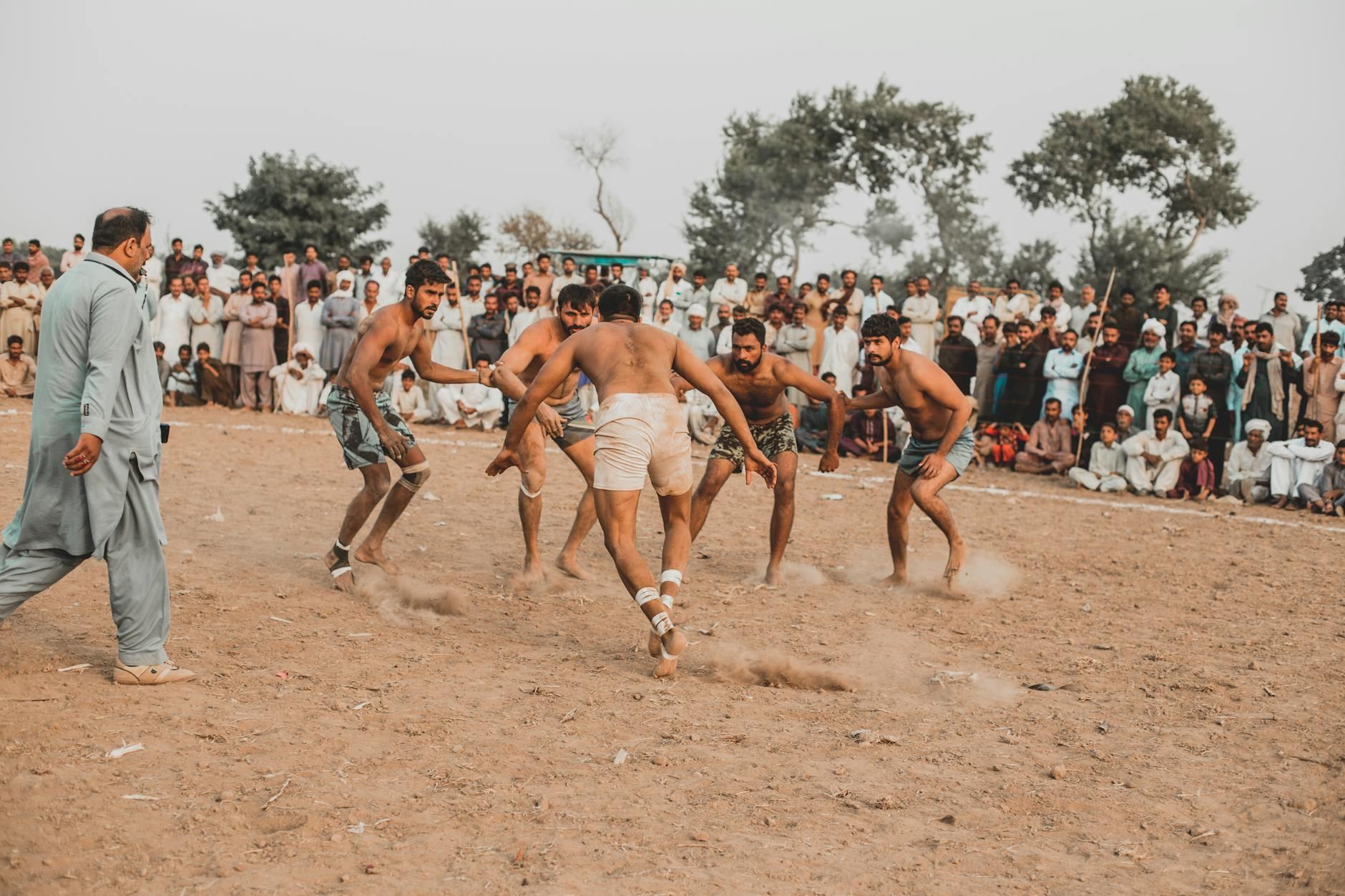
Kabaddi appears chaotic, but its success hinges more on strategic planning and real-time adaptability than on sheer physical strength.
Getting started with kabaddi as a beginner involves understanding the fundamentals of this unique contact team sport that blends wrestling and tag. It rewards the rare combination of breath control, explosive speed, and tactical thinking.
Two teams take turns sending a single 'raider' into enemy territory. That raider must tag opponents and return safely — all on one breath. Points go to whoever outsmarts the other side before the raider runs out of air.
In Kabaddi, participants engage in raiding and tackling drills, executing specific movements like hand touches, toe touches, and squats while chanting 'Kabaddi' on a single breath, often in solo or small group setups to enhance speed and agility through various exercises.
Kabaddi induces flow states through high-stakes raiding dynamics and instant feedback from successful tackles, fostering a sense of accomplishment and social belonging as players rely on teamwork to succeed against opponents.
Most people think Kabaddi is just a bunch of players roughhousing. It's easy to overlook the strategy and skill involved in the game. It's not all about throwing your weight around.
Strategy over strength. While physical fitness is crucial, understanding the opponent's tactics and adapting in real-time is what makes a great Kabaddi player.
Intimidated? Don't be. Kabaddi is surprisingly accessible with some practice.
The rules start to make sense after just a few games.The community is welcoming to newcomers ready to learn — all you need is curiosity and a bit of courage to jump in.
Your first Kabaddi session feels non-stop. The court is smaller than you imagine, and you spend the first few minutes trying to keep up, grasping the rules and trying to remember to breathe while raiding.
Coordinating with teammates is awkward at first, but that's part of the fun. Every successful tag feels like a mini-victory. Even the falls are softened by laughter and encouragement from your team.
Camaraderie surprises most newcomers. Even opponents offer tips and share a laugh, making it a welcoming and social experience.
When to start: Early morning
Duration: 1 hour
Cost to try: $0
Success criteria: If you finished without any significant injuries or major confusion about the rules, do session 2.
When you're in the heat of raiding, breath control slips away. Focusing too hard on tagging can make you hold your breath.
Slow down and take deep breaths regularly. Your stamina and focus will improve dramatically.
Kabaddi is not a solo set out. Playing by yourself in this team sport inevitably leads to struggles.
Work with your teammates and rely on them for support. Coordinated play opens up new opportunities.
Zeroing in on raiding can make you overlook the defensive aspect. That's a surefire way to weaken your overall game.
Balance your strategy. Shift focus fluidly between offense and defense.
Lingering in the opponent's area invites trouble. Good players know the value of timing their retreat just right.
Plan your escape as well as your attack. It's as important as tagging your opponents.
Search your local sports or community center for Kabaddi teams and upcoming matches. Kabaddi is gaining traction globally, making it easier to find new groups.
Reddit and Facebook host thriving Kabaddi groups. You'll find players sharing tips, organizing games, and chatting strategies.
Joining a local club boosts your skills and connects you with passionate players. It's where real camaraderie forms.
Played in a circular field, this variant emphasizes agility. It's ideal if you enjoy a dynamic and faster pace.
This version happens on sand, challenging due to unstable terrain.Build strength and endurance while enjoying the beach.
Played on a mat indoors, this variant offers year-round play.Perfect for those who prefer a controlled environment
If you want a related angle, Krav Maga is the natural next stop.
If the texture of this appeals to you, Kendo is built on similar bones.
Anticipation is the key to excelling in Kabaddi.
This means reading opponents' intentions and reacting instantly.
Great players spot patterns and exploit weaknesses. They stay unpredictable themselves.
Cultivate a sharp awareness of the court. Make quick decisions whether raiding or defending.
Mental agility turns you from good to great.
Practice consciously during each game to enhance anticipation. Adapt to Kabaddi's fast pace.
Four sessions over 30 days. Attend weekly games and practices to gauge your fit.
If you're eagerly waiting for the next match as soon as one ends, Kabaddi has caught your imagination. Join local leagues or volunteer to improve your understanding and immerse yourself further.
If the sessions felt routine or mildly enjoyable, you might need a different pace. Consider exploring a few casual games with friends or increase your fitness level to see if it enhances the experience.
If being part of a team feels wrong for you, take that as a sign. Some prefer watching Kabaddi and cheering from the sidelines.
Checking out local league schedules or player stats late at night means you're hooked.
When you're ready to compare options, the hobbies list lays out every direction we cover.
For quicker fixes, see our roundup of things to do when you're bored.
Kabaddi requires minimal gear—a court (can be marked on any flat surface), a ball, and comfortable athletic clothing. You don't need expensive protective equipment to begin playing casually. Most beginners start with just a basic volleyball or rubber ball and a marked-out rectangular area.
You can grasp the fundamental rules in 1–2 hours of instruction, though mastering strategy and raiding techniques typically takes a few weeks of regular practice. Most beginners feel confident joining a casual game within their first month of training.
Yes, kabaddi is highly accessible to beginners of all fitness levels. The sport naturally builds cardiovascular endurance, strength, and agility as you play, so you don't need prior athletic experience to start enjoying it.
Kabaddi is one of the most affordable hobbies—you can start playing with virtually no investment if you have access to a court and a ball. Community centers, schools, and parks often host free or low-cost games, and basic gear costs less than $50.
Kabaddi is fundamentally a team sport requiring at least 4 players per side for a standard game, but you can practice raiding techniques, footwork, and breathing exercises alone. Many players solo train to improve their skills before joining team sessions.
Regular kabaddi improves cardiovascular fitness, leg strength, balance, and agility while burning significant calories through high-intensity interval play. It also enhances mental focus, strategic thinking, and teamwork skills while building overall body endurance.