BoredomBusted — Find Your Next Favorite Thing To Do
Discover hobbies, activities, places, and ideas that spark joy. Whether you're looking for something creative, active, social, or relaxing, BoredomBusted helps you find your next favorite thing to do.
Browse our hobby guides, things-to-do collections, and place ideas to never be bored again.
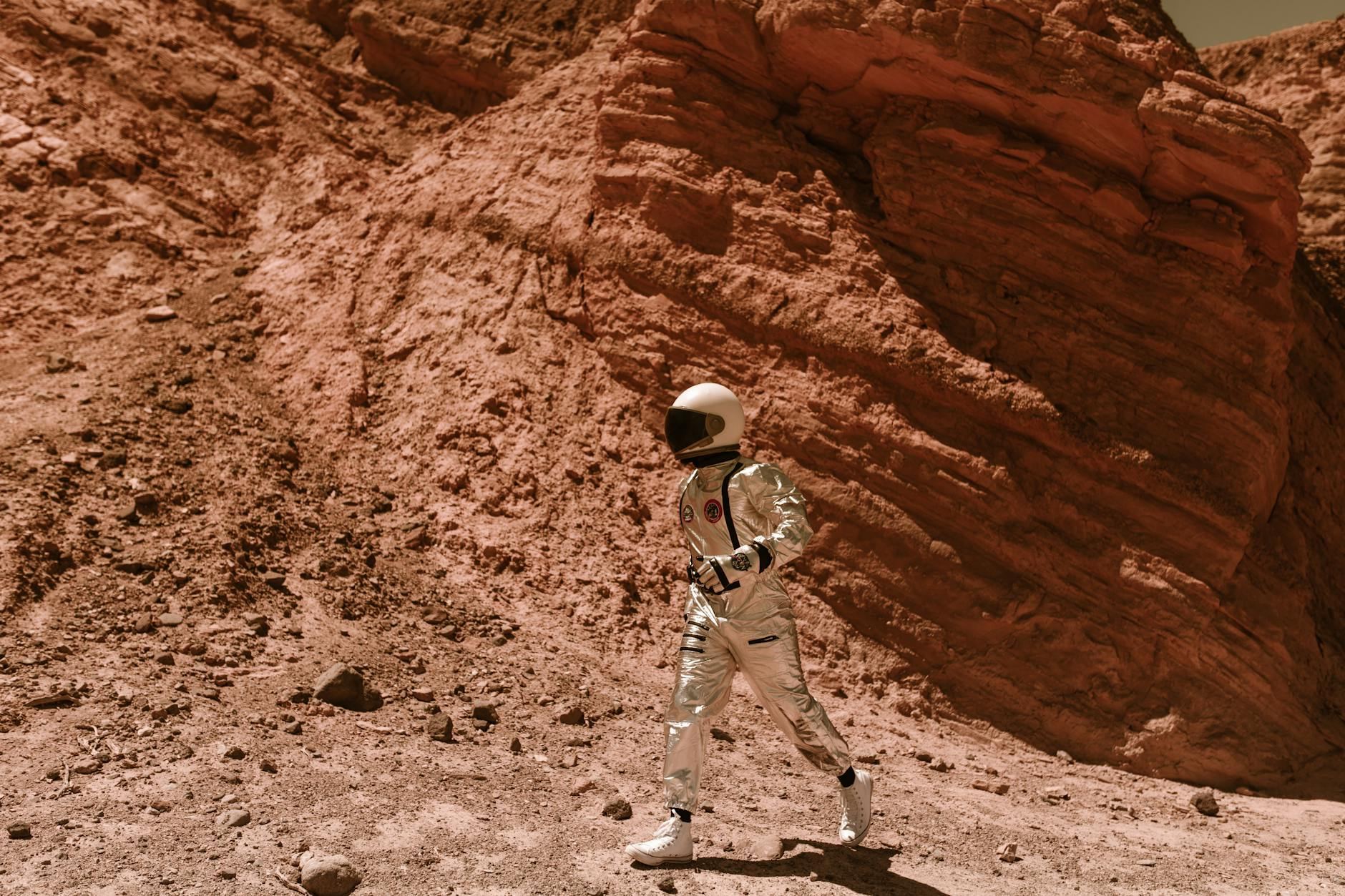
Moonwalk isn't just a flashy move — it’s a complex interplay of three skills that most beginners misunderstand, leading to frustration and plateauing.
Learning moonwalking as a beginner is all about mastering the technique that creates the illusion of moving backward while you glide forward.
You slide one foot back and keep the other flat, creating a smooth optical contradiction.
Moonwalk is a standalone skill, unlike street dancing or breakdancing which require full routines.
Practicing the Moonwalk involves executing repetitive sliding motions on a smooth surface, starting from a ready stance with feet shoulder-width apart. You alternate lifting the heel of one foot while sliding the other backward, maintaining a continuous gliding motion without fully lifting either foot off the ground. This practice often includes mirror feedback for self-correction and can evolve …
The Moonwalk induces a flow state through its focus on precise toe-heel mechanics and body weight shifts, which can transform initial frustration into immersion as you master the moves. This hobby cultivates a sense of accomplishment as you progress from clunky attempts to smooth slides, while immediate visual feedback enhances motivation and social belonging through sharing your progress with ot…
You think Moonwalk is a party trick. A single move you either nail in a weekend or quietly abandon. That assumption is exactly why most people plateau before they ever feel it click.
Moonwalk is actually three distinct skills layered together. Weight shift, foot drag timing, and upper body stillness must sync perfectly. Most are tripping over layer one and blaming layer three.
Master the footwork, not the illusion. It's about which part of your foot stays planted while the other moves. Incorrect? It looks like shuffling. Correct? It defies expectation and seems unreal.
Your brain battles against this movement. It's the opposite of how weight typically shifts, causing your body to "correct" itself. You're not lacking coordination – you're battling decades of ingrained muscle memory.
Watch someone who really has it. Torso still, feet moving impossibly.
That's not performance gloss. It's the real mechanism – and once you truly see it, it's there forever.
Breakthroughs often happen in a single session.
That's what the next section is about.
Attempting the moonwalk feels disjointed. Your feet seem to have minds of their own, arguing with each other as they move.
The gap isn't skill — it's a focus mismatch. You've been watching the slick effect, not the precise mechanics that create it.
Initially, it feels like shuffling awkwardly and hoping it looks smooth. Shoes squeak, weight shifts wrong, and attempts feel disconnected.
Progress reveals a hidden truth. The real sticking point isn't the sliding foot, but managing weight transfer. Press into the ball of your standing foot — this comes first.
At first, this feels wrong and awkward. Things slow down. Stick with it — deliberate slowness is the key to gaining speed later. Speaking of struggles, the next section explores the common mistakes that trip up beginners.
When to start: Morning
Duration: 1 hour
Cost to try: $0
Success criteria: If you finished without losing balance, do session 2.
The moonwalk isn't about moving both feet backward. It's about creating an illusion with one foot while the other remains stable. Plant one foot flat, lift the other heel, and drag the flat foot back while keeping the heel-up foot frozen.
A shaky technique makes the hip want to cheat by moving. Keep your torso upright and let your feet create the movement. A still upper body transforms the glide into something sleek and controlled.
Sneakers with heavy traction resist your movements. Beginners often think they're doing something wrong when really it's the shoes. Start with socks on a smooth floor to experience true gliding – then pick shoes that let that feeling through.
Shifting weight prematurely ruins the move's illusion. Beginners often slip up here. Count a full beat for each drag. If it feels too slow, that's likely the correct pace.
Repeating the stationary two-step feels productive but isn't. Incorporate a quarter turn every so often. This forces the weight shifts needed for a traveling moonwalk and prevents reliance on static drills.
Moonwalk practice happens anywhere with smooth floors like dance studios or community centers. Even your kitchen works if you have socks and inspiration.
You need about six square feet of hardwood flooring to start. Embrace the awkwardness for a couple of weeks.
Most serious dancers join local crews for growth, not federations. While there's no national governing body for moonwalk, you can dance within World DanceSport Federation domains for competition.
Announce yourself as a moonwalk beginner. Ask for guidance on your technique to get real help instead of silent nods, unlocking insights from experienced dancers.
Not every version of the moonwalk is worth your time right now. Here's what's actually different between them – and which one you should start with.
This iconic move involves weight shifts and heel raises, creating the illusion of forward motion while moving backward. Everything else builds on this. Start here without exception.
Simulate motion without actually moving. Great for beginners in confined areas or where free movement isn't possible.
Glide while spinning in a full circle. Ideal for dancers who have mastered the classic moonwalk and want to impress.
Combine the glide with arm movements like the crotch grab or hat tip. For performers who don't need to watch their feet. If you're still counting steps, skip this one.
A fast version mimicking a run rather than a glide. Best for advanced practitioners with solid fundamentals. Avoid if your basics are shaky – chaos may ensue.
Musical Theater lives in the same world — different mechanics, similar appeal.
A close neighbor worth considering: Tap Dance.
If you want a related angle, Hip-Hop Dance is the natural next stop.
Most beginners waste time focusing on distance. Counting feet and chasing consistency. Yet they ignore what their hips do at release.
The key skill is hip-to-ball timing isolation – feeling if your hips clear the foul line before your arm swings. Not just "rotate your hips." Not just "stay behind the ball." It's about sensing your hip leading, with your arm trailing behind.
Lead with your hip, and the ball lands with a shallow angle. That's how you get that smooth arcing backend. Without this, your arm jumps ahead, the ball flies high, and adjusting lane oil won't help.
A consistent hip-to-ball timing makes spare shooting easier too. Problems with your strike usually start here.
Commit to six sessions over 30 days. That's about once or twice a week, letting you form muscle memory without losing momentum.
If you catch yourself perfecting your footwork when passing shop windows or sliding around at home, you're hooked. Dive deeper with a good tutorial series and commit to a 90-day plan to really see progress.
If sessions felt bland and unexciting, it's not a dead end yet. Try focusing on nailing one specific move during the next three sessions. Sometimes the real excitement kicks in later, once you have a move to call your own.
But if you're dreading every session, recognize that as a firm no. The details of technique drilling may not be your cup of tea, and that's okay. It's best to find an activity that excites you from the start.
When you start noticing footwork everywhere, even when you're not trying to spot it, you're onto something. Your interest is genuine and growing without effort.
Certain limitations make Moonwalk a tough fit. If you have carpeted floors, you'll face slow progress due to friction. Similarly, if your sessions are more than two weeks apart, retaining muscle memory becomes a challenge.
When you're ready to compare options, the hobbies list lays out every direction we cover.
Not ready to pick a hobby yet? The boredom busters page has smaller things to try first.
Most beginners can grasp the basic technique within 2–4 weeks of regular practice, typically 15–30 minutes daily. However, mastering the smooth, fluid motion that makes it visually impressive usually takes 2–3 months of consistent training. Speed of learning depends on your existing dance experience and natural coordination.
Smooth-soled shoes are essential—leather-soled dress shoes, jazz shoes, or specialized moonwalk shoes work best. Avoid rubber-soled sneakers as they create too much friction to slide smoothly. A smooth floor like tile, wood, or linoleum is also important; carpeted surfaces make the move nearly impossible.
The moonwalk is challenging but achievable for non-dancers because it relies more on foot technique than rhythm or flexibility. However, having some dance background or basic footwork skills can accelerate your progress. The key is understanding the heel-and-toe sliding mechanics, which anyone can develop with practice.
You don't need advanced skills, but basic balance, coordination, and comfort standing on one foot are helpful. Familiarity with simple sliding steps or gliding movements speeds up learning. If you can walk and have body control, you have the foundation to start moonwalking.
No—you need a smooth, slippery floor for the sliding effect that defines the moonwalk. Hardwood, tile, vinyl, or polished concrete work well, but carpeted surfaces prevent the necessary glide. Some performers use plastic sheets on carpeted floors to create the required smoothness.
Moonwalking is very affordable—you can learn free through online tutorials on YouTube. If you invest in proper shoes, budget $30–$100 for quality smooth-soled shoes or specialized moonwalk shoes. Private lessons, if desired, typically cost $30–$75 per session, but they're optional for beginners.