BoredomBusted — Find Your Next Favorite Thing To Do
Discover hobbies, activities, places, and ideas that spark joy. Whether you're looking for something creative, active, social, or relaxing, BoredomBusted helps you find your next favorite thing to do.
Browse our hobby guides, things-to-do collections, and place ideas to never be bored again.
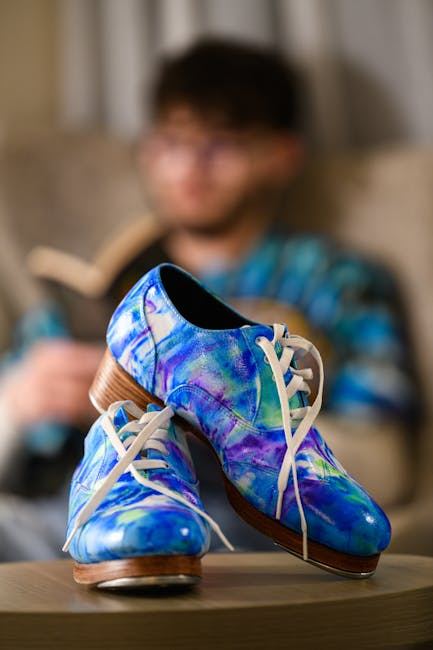
Forget the kids' recitals — tap dance is a muscular workout that forces your brain and body to sync rhythm with precision, dissecting movement unlike any other.
Getting started with tap dance as a beginner allows you to explore the rhythmic art of creating music with your feet through simple yet engaging movements. Tap dance is a percussive movement art where metal plates bolted to your shoes strike the floor to create rhythm.
Unlike ballet or jazz, the dancer is also the musician – your feet are the instrument, and the sound is the point, not a side effect.
In tap dance, you repeatedly execute precise footwork drills and step combinations on a hard surface while wearing tap shoes, generating rhythmic sounds through movements like brushing, scuffing, and digging. Warming up involves massaging and rolling ankles, followed by practicing isolated moves like cramp rolls and shuffles, which you chain into patterns often set to music, demanding focus on ba…
Tap dance creates flow states through real-time synchronization of intricate rhythms and footwork, demanding continuous cognitive engagement and problem-solving. Immediate auditory feedback from each step reinforces skill development, while the endless variations keep practice novel and unpredictable, fostering a sense of accomplishment and creative expression within a community.
You think tap is a kids' recital thing. Tiny shoes, jazz hands, maybe a bow at the end.
That assumption is costing you one of the most genuinely demanding physical skills an adult can pick up.
Tap is rhythmic percussion played with your body. You're not dancing to the music — you're making it. Your brain runs melody, timing, and movement at the same time, every rep.
The footwork coordinates limbs that normally have nothing to do with each other. Left heel, right toe, upper body — all independent, all deliberate. Getting better at rhythm directly makes you better at movement — they're the same skill, not two separate things you develop in parallel.
A working musician who picked up tap at 38 described the first month as "finally understanding what a drummer actually feels." Not hears. Feels. Tap forces a physical relationship with rhythm that years of listening never built.
None of that requires a musical background to start — which matters more than most beginners expect.
Watching tap looks like controlled chaos made effortless.
Then you put on the shoes and realize your feet have never once thought independently from each other.
That gap – between seeing it and doing it – is bigger than almost any other dance style, and it closes slower than you'd like.
Quit.
Stay.
The whole sport is that argument happening in week three.
Nobody who stuck past that point wishes they hadn't. The sounds you make start feeling like something you built, not something you stumbled into.
Tap shoes have heel taps and toe taps, and they behave differently on different floors. Practice on hardwood, not carpet or rubber mats. Half your sounds will disappear on soft surfaces, and you'll think you're doing it wrong when the floor is just eating your work.
When to start: Early morning
Duration: 1 hour
Cost to try: $0
Success criteria: If you can keep a basic beat with 8 stomps and 8 side steps in time with the metronome, do session 2.
Most beginners grab the cheapest pair online before their first class, then discover split-sole or heel-heavy shoes fight their natural weight distribution.
Get through two or three classes in borrowed or rental shoes, then buy based on what your instructor actually sees in your stance.
New tappers fixate on the beat in their head and stop hearing whether their taps are actually producing sound. That means they're drilling bad timing into muscle memory — and it compounds fast.
Practice each combination slowly enough that you can hear every distinct tap before you add speed.
Beginners flatten everything into one uniform tap-tap-tap because they're just trying to survive the footwork. But tap is a percussive instrument, and dynamics are half the vocabulary.
Pick one combination you already know. Deliberately exaggerate the difference between your loud hits and your soft ones until they sound like two different instruments — that contrast is where tap actually starts to sound like music.
A locked ankle kills the rebound and turns flaps into stomps. The tension that feels like precision is exactly what's destroying your sound.
Let the tap swing from the knee and keep the ankle relaxed through the follow-through. Trust the shoe to do the striking — your job is to stay loose.
The shuffle feels like dancing. The single sounds like nothing. So beginners rush past it — and then wonder why their combinations feel uneven six months later.
Spend a full week doing nothing but alternating single brushes in front of a mirror until both feet sound identical. Every complex combination you'll ever learn is just singles chained together.
Tap dance happens in dance studios, community recreation centers, and performing arts schools – check dance studios and community centers for locations near you.
When you walk in, say exactly this: "I'm a complete beginner, no prior dance training."
That phrase gets you placed in the right level, a slower tempo on your first class, and – at good studios – an instructor who actually explains what the sounds are supposed to be, not just how the feet move.
Rhythm tap — sometimes called jazz tap — is improvisation-heavy and music-driven. Your feet are percussion instruments first, performance second.
You're having a conversation with the music, not just moving to it. Adults with a musical background tend to take to this faster than anyone — it feels more like jazz than theatre, and the same shoes work fine.
Broadway tap is what most beginners learn without realizing it has a name. It prioritizes clean lines, synchronized choreography, and stage performance over rhythmic complexity.
This is the most beginner-friendly entry point by a clear margin — and the most widely available. Classes show up at almost every studio and tend to be the cheapest option on the board.
Think precision over personality.
Then think strict footwork patterns and formal structure borrowed from ballet.
Classical tap — also called exhibition tap — draws heavily from ballet training, and newer dancers tend to hit a wall fast without that foundation already in place. It's a natural crossover for dancers already trained in classical styles, not a starting point.
Funk and postmodern tap blends tap with hip-hop movement, street styles, and contemporary dance. The result is less structured and more physically expressive.
It rewards people who come from street dance and hate being boxed in — and it tends to skew younger in most class settings.
Flamenco-influenced tap is rare, but worth knowing it exists. Some studios blend Spanish footwork traditions with tap technique — the result is heavier on rhythm and drama than anything else on this list.
Don't start here — this one only makes sense once you've already got core tap technique under your feet.
Hip-Hop Dance is a sibling pursuit and often surfaces the same kind of curiosity.
If this resonates, Ballroom Dance explores a similar direction.
Most beginners obsess over footwork – getting the right feet in the right order. That's not the bottleneck. Timing your weight shifts is.
The one skill: intentional weight transfer. Not just stepping, but committing your full body weight to each foot at the exact moment of the sound. A shuffle that sounds muddy isn't a foot problem – it's your weight still hovering, half on the wrong foot, robbing the tap of its punch.
When your weight arrives with the sound, every tap gets louder, cleaner, and more distinct – without you trying harder. Without it, you can drill combinations for months and they'll still sound like someone nervously shuffling papers.
The dancers who sound effortless aren't hitting harder – they're committing faster.
Commit to 8 sessions over 30 days — roughly twice a week.
That number matters because tap has a specific learning curve: the first two or three classes are noise and confusion. Quitting there tells you nothing useful about whether you actually like it.
If you keep thinking about the rhythm between classes — replaying a combination in your head, tapping your feet at your desk without meaning to — that's not nostalgia. That's your brain telling you it wants to solve this. Book the next month.
If you feel neutral about going back, notice whether it's the dancing itself or the format. A different teacher, a different style emphasis, even a different time of day can shift this significantly — consider one more month before you call it.
If you were watching the clock every class, trust that. Tap rewards people who find the puzzle genuinely interesting. Enduring it isn't a path to loving it.
You've watched tap performances and focused on the sound, not just the movement — trying to pick out rhythms, noticing when a dancer lands something clean. Most people see a performance first; tap pulls certain people in through the ear before the eye. That specific pull toward the percussive side of it is a reliable signal.
Chronic ankle, knee, or foot injuries are a real barrier — not impossible to work around, but tap puts sustained impact on those joints, and modifications only go so far without a specialist's guidance.
If you live somewhere without access to a studio or qualified teacher, self-teaching tap from video is genuinely harder than most dance styles — the technique is subtle enough that bad habits set in fast and compound.
Tap also requires noise. If you rent and have downstairs neighbors, or share space where sound is a constant issue, the practice side of this hobby has nowhere to live.
Looking for something lighter? Our boredom-busters guide is built for exactly that.
You'll need a pair of tap shoes with metal plates on the bottom, which typically cost $50–$150 for beginner pairs. Most studios provide rental options if you want to try before investing. A good dance studio or even a cleared space in your home with a hard floor is all you need to start learning.
You can learn fundamental steps like shuffles and ball changes within 4–8 weeks of regular lessons. Building comfortable rhythm and coordination takes a few months, while performing polished combinations usually requires 6–12 months of consistent practice. Progress depends on your natural sense of rhythm and how frequently you practice.
Tap dance has a moderate learning curve—it's less about flexibility than musical timing and foot coordination. Most beginners find the footwork challenging at first, but the visual and auditory feedback makes progress very rewarding and motivating. Starting with a good instructor makes a significant difference in building confidence quickly.
Group classes usually range from $15–$30 per session, while private lessons cost $30–$75+ depending on your location and instructor experience. Many studios offer introductory packages or trial classes to help you decide. Costs are comparable to other dance styles and often worth the investment for personalized technique correction.
Tap dancing is unique because the shoes create rhythm and melody—your feet are instruments creating sound alongside music. Unlike ballet or jazz, tap emphasizes percussive footwork and improvisation rather than flowing movements or strict choreography. It's equally athletic and musical, making it distinct from contemporary or hip-hop styles.
Adults absolutely can start tap dancing at any age; it's never too late to learn. Many adult beginners find it's a fun way to stay active, improve coordination, and boost confidence through creative expression. Studios typically offer adult-specific classes that progress at a comfortable pace without judgment.