BoredomBusted — Find Your Next Favorite Thing To Do
Discover hobbies, activities, places, and ideas that spark joy. Whether you're looking for something creative, active, social, or relaxing, BoredomBusted helps you find your next favorite thing to do.
Browse our hobby guides, things-to-do collections, and place ideas to never be bored again.
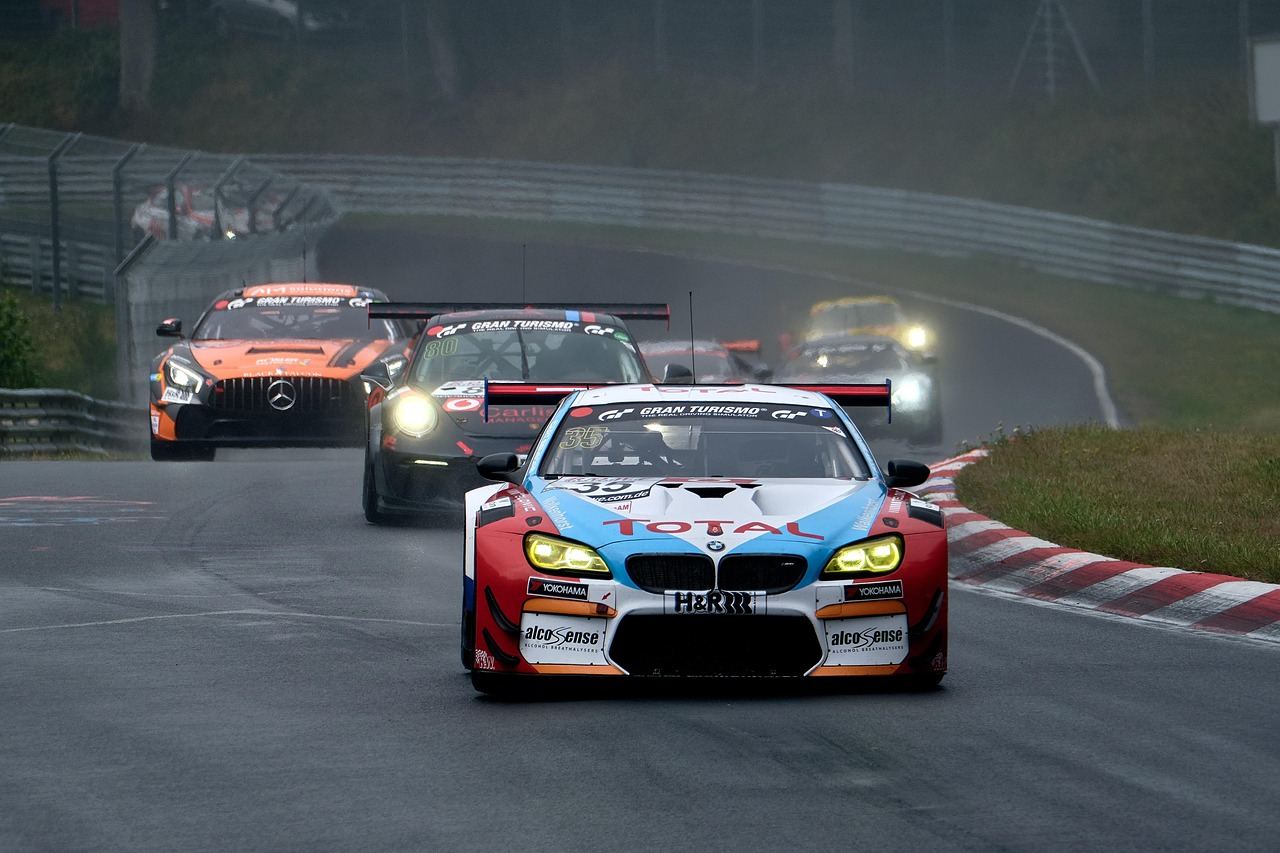
Motorsports isn’t just fast cars; it's a test of mental strategy and community bonds, with affordable entry points like karting often overlooked.
Getting started with motorsports as a beginner involves embracing the thrill of racing cars, motorcycles, or go-karts against others.
It tests both your technical skills and nerves on circuits, tracks, or off-road courses.
In motorsports, participants engage in racing and competition, mastering advanced driving techniques such as navigating corners and vehicle control. They also spend time building and customizing vehicles, often attending specialized driving schools for skill enhancement. Community involvement through local karting clubs and events further enriches the experience, providing both competitive and so…
Motorsports fosters a flow state through high-skill, high-challenge racing scenarios, while continuous feedback from performance metrics creates a rewarding cycle of skill mastery. The social belonging found in track communities and the creative agency involved in vehicle customization also combat boredom by providing connection and personal expression.
You think motorsports is all about speed and demands huge amounts of time and money. The truth is, there's much more to it than flying down a track. Strategy and skill are the real draw.
Lewis Hamilton doesn't just rely on speed. He wins thanks to vehicle control, precision timing, and studying racing lines. It's as much about mental agility as physical speed.
Local karting tracks make it possible. Affordable entry points exist. No millionaires required; many start small with karting or local events that don't break the bank.
Friends matter just as much. Working on a car together or racing side-by-side builds community. It's about the people as much as it is the machines.
Entering the world of motorsports can feel like stepping onto another planet. The roar of engines and the smell of fuel are immediate.
Learning the ropes isn't easy. Controlling a vehicle while trying to match faster racers is daunting, but that's where the fun lies.
Expect a blend of nerves and excitement. The first laps might feel clumsy as you adjust to the speed and handling. But when you find a smooth line or overtake someone, the thrill is unmatched.
When to start: Early morning
Duration: 1 hour
Cost to try: $0
Success criteria: If you finished without injury, do session 2.
A few clean laps and your brain starts lying to you. You feel faster than you are, so you push harder than you should.
Early consistency is a skill — early speed is usually luck. Track your lap times honestly and improve one corner at a time before chasing the overall record.
Racing puts real stress on a vehicle. Components wear faster than they do in casual driving.
Learn basic vehicle maintenance before your first race day, not after your first breakdown. Tires, brakes, and fluid levels are the three things most beginners ignore — and the three most likely to end your session early.
Crashes don't announce themselves. The lap where you skip the helmet is rarely the uneventful one you assumed it would be.
Full gear — helmet, suit, gloves — is non-negotiable even for a single warmup lap. No session is short enough to justify the risk.
Every track has norms that never make it into the official rulebook. Ignoring them marks you as a hazard before you've turned a single lap.
Friction with other racers is the least of your problems. Missed etiquette — like not holding your line when faster cars approach — causes real accidents. Watch a full session from the sideline before you drive. Learn the rhythm of that specific track.
Join motorsports communities to learn and improve your skills. From local clubs to online forums, you'll find support and shared experiences.
Local tracks and motorsport parks are networking goldmines. Attend events to meet other racers and enthusiasts face-to-face.
Online, platforms like Reddit and dedicated forums offer spaces to discuss techniques and gear. Social media groups also provide valuable advice and support.
Karting is ideal for beginners, offering racing thrills without the steep costs. Practice your skills in a safe, controlled space.
Track days let you push your regular car on a race track. Experience high-speed thrills without a racing career commitment.
Rally racing is for those who love the unpredictability of off-road terrains. It demands sharp control and adaptability.
Motorcycle racing is all about balance and precision. Perfect for those who enjoy the freedom of riding.
If the texture of this appeals to you, Paintball is built on similar bones.
If this resonates, Equestrian Sports explores a similar direction.
Another variant that pulls from the same roots is Marathon Running.
Vehicle control skills make all the difference in motorsports. Recognize your vehicle's limits and learn how to challenge them. The trick is to do this without losing grip or control.
Spotting the perfect moment to brake or accelerate transforms a good lap into a great one. Timing and spatial awareness are what actually contribute to victory or defeat.
Stay calm in high-pressure situations to race like a pro. Mental focus counts just as much as physical ability. The next section will explore how mental toughness affects racing performance.
Commit to three to six track sessions over a month. Visit local karting facilities and engage with the community.
If you find yourself thrilled by the roar of engines and eagerly anticipating the next race, motorsports has you hooked. Next, consider investing in your gear and dive deeper with advanced classes.
If the sessions feel lukewarm and forgettable, that's an honest signal. Before giving up, try attending a live race to experience the atmosphere firsthand.
If you dread each outing, the fit isn't there. Many are drawn to the idea of racing but not the reality, which is fine.
The telltale sign of genuine interest is checking racing lines and setups online past midnight without meaning to.
Not sure motorsports is for you? The full hobby list covers everything else worth considering.
If motorsports feels like too much to commit to right now, browse what to do when you're bored for lower-stakes ideas.
Entry costs vary widely depending on the motorsport type, ranging from $5,000–$15,000+ for basic equipment like a helmet, suit, and gloves, plus track day or racing school fees of $500–$2,000 per event. Renting a vehicle for your first experience is often cheaper than buying, allowing you to test the hobby before investing in your own car or bike.
Track days are open-to-all driving events where you pay a fee to drive on a closed course at your own pace without competing against others, making them ideal for beginners. Competitive racing involves entering sanctioned races against other drivers with strict regulations, licensing requirements, and higher costs, but offers the thrill of head-to-head competition.
Most drivers see noticeable improvement within 10–20 track days or racing school sessions, typically spanning 2–6 months of regular practice. Becoming truly competitive at a high level takes years of consistent training, but you can enjoy motorsports safely and confidently much sooner.
Motorsports carries inherent risks, but structured track days and racing schools implement strict safety protocols—helmets, safety suits, roll cages, and medical staff on-site—to minimize injury. Proper training and adherence to safety guidelines make the activity manageable for beginners, though physical fitness and mental focus are essential.
Autocross (cone-based courses in parking lots) and track days in your own car are the most accessible starting points, requiring minimal equipment and lower costs than professional racing. Alternatively, many facilities offer single-seater rental programs or go-kart racing to learn fundamentals before graduating to full motorsports.
Casual enthusiasts can participate in track days 1–2 times monthly, requiring only the day of the event plus minimal prep time. Serious racers typically invest 2–3 days per week on track time, vehicle maintenance, and physical training, though your commitment level is entirely flexible based on your goals.