BoredomBusted — Find Your Next Favorite Thing To Do
Discover hobbies, activities, places, and ideas that spark joy. Whether you're looking for something creative, active, social, or relaxing, BoredomBusted helps you find your next favorite thing to do.
Browse our hobby guides, things-to-do collections, and place ideas to never be bored again.
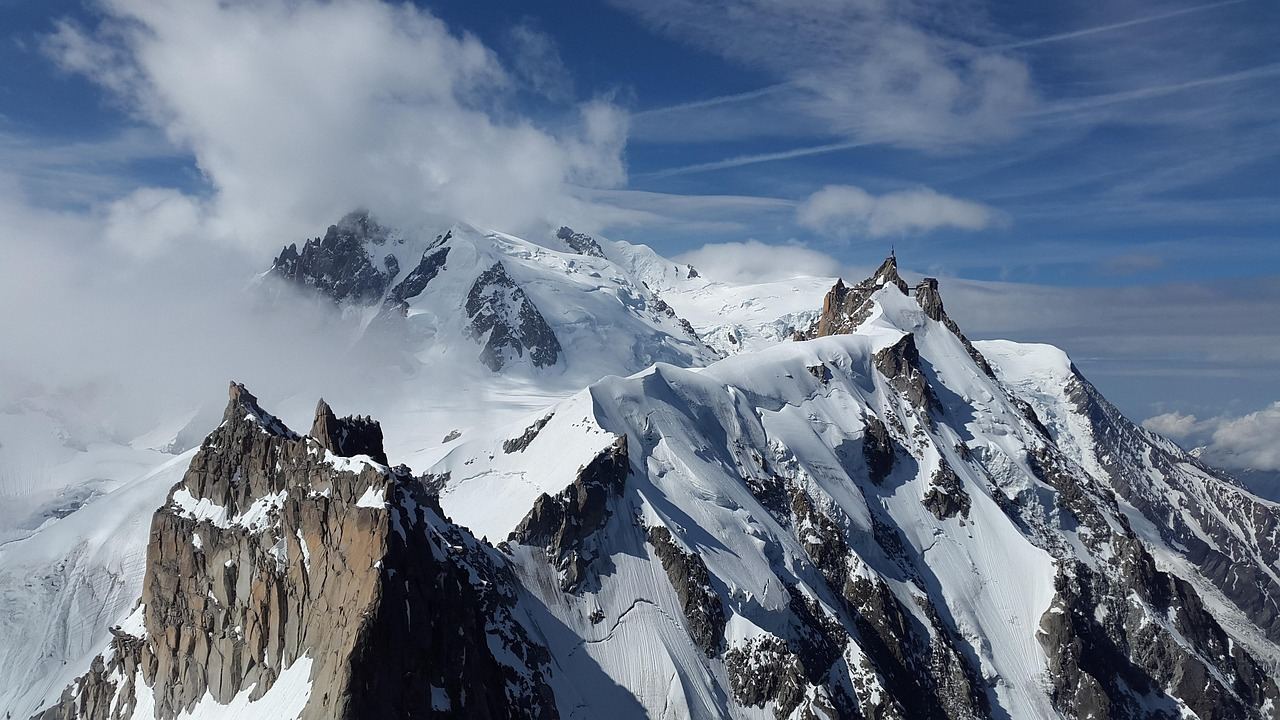
Mountaineering isn't just for elite climbers; it's primarily about navigation and pacing at lower elevations, and beginners are actively welcomed by local clubs.
Learning mountaineering as a beginner involves developing essential technical skills to safely reach mountain summits.
Route-finding, rope systems, and crampon work are just the beginning. Weather reading is crucial too.
Unlike hiking, mountaineering demands life-safety skills. That's where a hard walk ends and a true climb begins.
Mountaineering involves sustained uphill hiking or scrambling on steep, rugged terrain while carrying a weighted backpack, often exceeding 8 miles and 4,000 feet of elevation gain in a day, incorporating physical activities like trail running and rock or ice climbing requiring grip strength and precise foot placement.
Mountaineering fosters mental toughness and flow states through prolonged physical exertion in dynamic environments, providing skill feedback loops and a sense of accomplishment from overcoming challenging terrain, while also enhancing social belonging through group outings.
You think mountaineering is for people who summit Everest and have sponsors.
You picture oxygen masks, frostbite stories, and a level of suffering that requires a different personality type entirely.
That assumption is costing you the chance to tackle a meaningful outdoor challenge.
Most mountaineering happens below 14,000 feet. The essential skills are navigation, pacing, and knowing when to turn around, not superhuman fitness or a death wish.
The gear list that intimidates you is almost entirely rentable for a first season. You're not buying a lifestyle, just borrowing equipment to test a hypothesis about yourself.
The community actively wants beginners. Mountaineering clubs create intro courses because experienced climbers know skills don't transfer by osmosis, and they'd rather teach you right than watch you improvise badly.
A friend of mine believed she wasn't "the type." For two years, she assumed mountaineering wasn't for her until she joined a local alpine club on a weekend trip in the North Cascades. Crampons, ice axe, and a group of eight – all beginners once.
She returned the next month. Not because it was easy. Because it demanded real thought. The experience challenged her in a way that no other physical activity had before.
The gear question is usually what stops people next – and it's more solvable than you're expecting.
Before you even see a summit, you'll be training on slopes with crampons that feel like bear traps. Your calves will protest early, signaling the start of a long journey.
Months of groundwork shape your climb more than any summit shot. You'll start romantically dreaming of Everest while underestimating what lugging a 40-litre pack really feels like.
Don't assume your gym workouts will translate here. You'll find yourself humbled, moving slower than you expected, with a quiet pride over a 600m elevation gain and realizing that legs and lungs are separate challenges.
Every step demands a rest step. This involves pausing at full leg extension to shift the load from muscle to bone. It feels absurdly slow but it's crucial for success, showing why some turn back long before reaching any peak.
This isn't a preview of mountaineering. It's the grueling foundation that sets the stage for real climbs. The frustrating beginning builds the skills you'll need.
When to start: Early morning
Duration: 2 hours
Cost to try: $0
Success criteria: If you finished the hike without discomfort or injury, do session 2.
Summits look close on maps, tempting beginners to cut rest days they assume are optional.
Include one full acclimatization day for every 3,000 feet gained above 8,000 feet. Your body needs time to adapt, and fitness alone won't change your blood chemistry overnight.
Testing your gear without the full pack weight is a setup for disaster. Training without it won't prepare you for the real strain.
Complete at least four long hikes with your fully loaded summit pack before your trip. This prevents hip flexor issues that can stop a climb in its tracks.
Beginners grip the axe out of fear, which tires the forearm and delays self-arrest when needed.
Practice a relaxed grip on a safe snow slope, refining your pivot to self-arrest. Make it feel instinctive, not forced.
Using C1 crampons with C3 boots causes dangerous slippage on technical ice surfaces.
Match crampon and boot rigidity before purchasing. Use the C1/C2/C3 compatibility system to ensure safe climbs.
Everyone has a summit goal, but few set a strict turnaround time. Without one, you risk dangerous decision-making on the descent.
Write your turnaround time on your hand as a non-negotiable rule. Descents are often the most perilous part of your climb.
Ask about their beginner program. Most clubs have a path for new members, so let them know you want to learn.
The American Alpine Club's Find a Club page is your gateway in the US. Their directory at americanalpineclub.org is well-maintained and reliable.
If you're in the UK, head to thebmc.co.uk/clubs for the British Mountaineering Council's listings. Filter by location to find a club nearby.
Meetup.com is perfect for locating smaller urban clubs. Search "alpine club [your city]" to find groups with regular events for beginners.
Mountain Project's forums are also worth checking for local meetups. Post a "looking to get into mountaineering" inquiry and you'll likely get quick responses.
This is Alpine Style. Fast and light, with no fixed ropes, pre-stocked camps, or team safety net. It's summit to summit in one push, with everything you need on your back. The gear costs remain similar, but the margin for error is razor-thin.
Expedition Style is your choice. Multiple camps, fixed ropes, and weeks of acclimatization define the route. Essential for summiting colossal peaks like Everest or K2. Logistics and cost both skyrocket here; expect Everest expeditions to range from $30,000–$100,000+.
Ski Mountaineering blends backcountry skiing with mountain navigation and avalanche awareness. Climb with skins, then ski down. It's for those ready to earn their runs, far from groomed paths. Avalanche safety gear is non-negotiable.
Ice Climbing is the way in. Scale vertical ice on waterfalls and glaciated faces. You'll quickly hone the tool skills crucial for mountaineering. Count on $300–$600 for essentials like ice axes, crampons, and helmet.
Trekking Peak Climbing suits hikers moving into mountaineering, focusing on lower-altitude summits under 6,500m. These require basic, not advanced, skills. Nepal's Island Peak is a typical target. Guided trips cost $1,500–$4,000, far less than full expeditions.
If this resonates, Traveling explores a similar direction.
Readers who enjoy this often gravitate toward Metal Detecting next.
A close neighbor worth considering: Snorkeling.
Beginners love to focus on fitness—more cardio, more gym time. But all that effort means nothing if you burn out early.
The secret is pacing yourself by breath, not by feel. Choose a pace where you can hold a conversation in full sentences. Not gasping, nor too easy.
Master this pacing and reach high camps with energy left. Fail, and you risk collapse before the technical parts begin. Summit bids often end not at the crux, but on fatigued legs in challenging terrain.
Once you're aware of your breathing, focus shifts to optimizing gear load for better performance.
Try 6 mountaineering outings over 30 days. Aim for one or two sessions each week to really understand the commitment.
If mountaineering excites you so much that you're already planning the next route, you know it's more than just a fleeting interest. Watching the forecast and feeling restless on rest days means you're ready to dive deeper. Enroll in a guided course or find a mentor to take your skills further.
If it felt like six sessions of 'just okay', then it might not be your thing. Maybe all you needed was an outdoor thrill. Consider rock climbing or trail running instead—activities that might spark more excitement.
Feeling dread before each climb and just wanting it to end isn't something to ignore. That reaction suggests mountaineering might not be your fit, and that's perfectly fine. Some activities sound better on paper than they feel in person.
The need to check terrain and routes during hikes is worth noting. If you find yourself doing this at odd hours, it really shows a budding passion for the mountains.
Plenty of people land on mountaineering after browsing the full hobbies list — that's a fine place to start, too.
Looking for something lighter? Our boredom-busters guide is built for exactly that.
You should have moderate to strong cardiovascular fitness and leg strength, as mountaineering involves sustained climbing at elevation with heavy gear. Beginners typically start with lower peaks (under 10,000 feet) to build skills and fitness before attempting challenging summits. Consistent training 3–4 months before your first climb will significantly improve your chances of success.
Basic gear (boots, backpack, harness, rope) costs $800–$1,500 for entry-level equipment. Add another $200–$500 for a guided climb on beginner-friendly peaks, or $2,000–$5,000+ for expeditions to major mountains with professional guides. Many climbers rent specialized gear initially to test the hobby before investing in quality equipment.
A single-day climb on beginner peaks typically takes 6–10 hours round trip, while multi-day expeditions to high-altitude mountains can last 1–3 weeks depending on the peak and route. Acclimatization at base camp adds significant time on mountains above 12,000 feet to prevent altitude sickness.
Essential skills include rope work, belay techniques, self-rescue, map reading, weather assessment, and proper use of crampons and ice axes. Most beginners learn these through a mountaineering course (2–5 days) or by climbing with experienced guides who teach on the mountain. Navigation and decision-making under fatigue are equally important as technical climbing.
Mountaineering carries real risks including falls, avalanches, altitude sickness, exposure, and sudden weather changes, but proper training and preparation significantly reduce danger. The risk level depends on peak difficulty—beginner mountains have minimal technical risk, while 14,000+ foot peaks demand advanced skills. Using qualified guides and following safety protocols is critical for all climbers.
Hiking follows established trails with minimal elevation gain and requires basic fitness, while mountaineering involves technical climbing, rope work, and navigation across unmarked terrain at high altitudes. Mountaineering demands specialized equipment, training, and risk management that hikers don't need. Many mountaineers start as hikers and gradually progress to more technical peaks.