BoredomBusted — Find Your Next Favorite Thing To Do
Discover hobbies, activities, places, and ideas that spark joy. Whether you're looking for something creative, active, social, or relaxing, BoredomBusted helps you find your next favorite thing to do.
Browse our hobby guides, things-to-do collections, and place ideas to never be bored again.
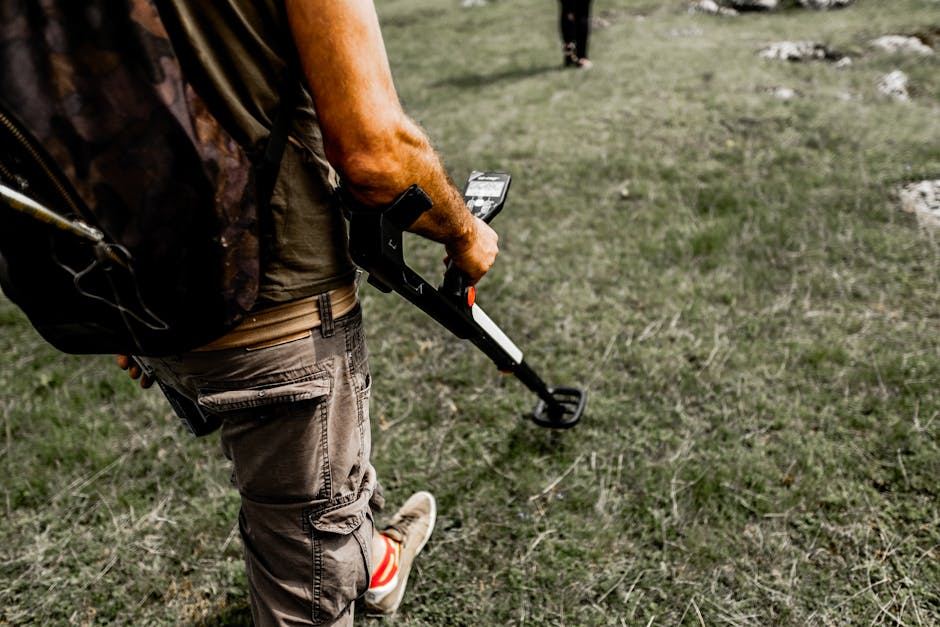
Metal detecting isn't just about finding coins; it's a history lesson that literally brings the past to your hands while solving a physical puzzle.
Getting started with metal detecting as a beginner opens up a world of adventure, allowing you to search for buried treasures in parks, beaches, and historical sites with just a metal detector.
The detector's coil sends a signal into the soil – any metal disrupts that signal and triggers an alert.
Unlike treasure hunting or beachcombing, you're responding to hard data, not just eyeballing the ground.
In metal detecting, you walk across outdoor sites with a handheld detector, scanning for buried metal objects by swinging the coil above the ground, interpreting audio tones and visual displays that indicate potential finds. You then pinpoint signals, dig small holes to extract targets, and separate valuable items from trash, all while maintaining the site’s integrity by refilling holes.
Metal detecting combats boredom through immediate skill feedback loops, where you quickly learn to distinguish valuable finds from junk, fostering a flow state as you engage in real-time problem-solving. The novelty of unpredictable discoveries and a sense of accomplishment from recovering unique items provide ongoing motivation, while social belonging through clubs and online communities enhance…
You think it's old men in parks, headphones on, poking at bottle caps.
That's the image. Admit it.
That assumption is holding you back from discovering something truly intriguing.
Think of metal detecting as a physical puzzle. Each beep is a mystery, decoded by understanding the soil and history beneath your feet. It's not just a wandering walk; it's an active engagement with the past, every step a small revelation.
You're learning local history hands-on and fast. Not from a screen, but through relics coated with decades, sometimes centuries, of soil.
The community is passionate beyond belief. Sharing maps, permissions, and treasures, it feels like a non-competitive sport where everyone gains.
Consider a detectorist in rural Pennsylvania, who spent just a weekend exploring land near an old farmstead. Expecting little, she left with a Continental Army uniform button—verified, dated, and genuine. That's not luck.
Real discoveries happen because this hobby has real stakes.
Getting your gear right is crucial, and many beginners miss the mark before they even start.
The anticipation is palpable on your first outing. You imagine finding hidden gems right beneath your feet. But you quickly learn that the reality is different. Be prepared for eleven pull tabs and maybe a corroded penny.
Envisioning instant treasure is common. Each beep feels loaded with promise, urging you to dig. Instead, expect to uncover mostly trash at first.
Midway through your session, you'll start to feel it. Tiredness creeps into your back as the hours wear on. You might find a wheat penny that feels like a jackpot. Sorting signals takes more time than you'd think.
Your journey starts with disappointment. Trash hunt after trash hunt, until you recognize a signal you've encountered before. Success is when your ears finally align with your brain.
Before heading out, familiarize yourself with your detector's tones. Line up a quarter, a nickel, a penny, and some foil. Listen carefully to each tone in a safe environment. This prep saves countless hours in the field.
When to start: Early morning
Duration: 1.5 hours
Cost to try: $0
Success criteria: If you finished without finding a significant item, do session 2.
The beeps make you want to swing faster, but speed blurs accuracy. Fast swings mean your detector can't clearly identify shallow targets.
Slow your swing to about one foot per second, and overlap passes by a few inches to ensure you don't miss anything between arcs.
Every tone can feel like treasure, but most are just pull tabs and bottle caps.
Set your discrimination dial to reject iron and foil, and focus on signals that repeat consistently from multiple angles.
Beginners often trust just the sound, forgetting that the display's target ID number offers more insight.
Learn the VDI range for common targets from your detector's manual so you can interpret both the tone and number.
Modern parks are already combed by many detectorists. Chances are, you're detecting leftovers.
Dig into old maps from your county historical society to find sites like pre-1950 picnic grounds that see less activity.
Poor recovery habits quickly get detectorists banned. A messy hole can restrict access for everyone.
Cut a neat three-sided plug, hinge it back, fill it properly, and press it down to leave the area undisturbed.
Beach and park metal detecting is easy to start with, but private farmland offers the real treasures. Beginners should focus on accessible areas, but know the best finds come with permission on private land.
The FMDAC club finder is a great start. This list pairs you with clubs that know the lay of the land.
Check state or county specific groups on Facebook. Most clubs coordinate online, away from websites.
Forums like Dankowski Detectors and Kellyco are hubs for local meetups. These are the places to find permission leads.
Visiting clubs before making requests builds goodwill. Regular participants are more likely to share landowner contacts when they recognize your participation.
Beach and shallow water detecting filters out most trash signals, leaving room for lost jewelry and other treasures. Great for quick and easy finds.
Best for simplicity and quick success with basic gear. A waterproof coil is essential; consider a fully submersible detector if you plan to wade. Expect to spend
between
$300 and $600.
Detecting for relics is all about the history. You'll be exploring civil war sites, old homesteads, and battlefields.
The significance of the find surpasses its monetary value. Be prepared to navigate permissions and local laws carefully.
Gold prospecting requires specialized detectors. These are designed to locate tiny, deep gold nuggets.
This is best suited for people near known gold areas. High-end gear like the Minelab GPX series starts at $2,000.
Coin shooting happens in parks, schoolyards, and old neighborhoods. It might not sound exciting, but it's the perfect training ground.
The ideal starting point for building detecting instincts. A standard mid-range detector is all you need.
Underwater detecting involves full submersion. You'll explore rivers, lakes, and ocean floors at recreational dive depths.
Perfect for divers with existing gear wanting a unique reason to explore beneath the waves. Make sure to budget $500–$1,500 for specialized detectors, plus any dive equipment costs.
If the texture of this appeals to you, Bottle Digging is built on similar bones.
Readers who enjoy this often gravitate toward Wilderness Survival next.
Some of the same instincts show up in Shelter Building — worth a look if this clicked.
Most beginners obsess over gear – better coil, newer machine, more settings to tweak. The machine isn't the problem. Their ears are.
Signal reading separates the novices from the pros. It means interpreting the shape of a tone, not just the sound quality. A pull tab and a gold ring might share a VDI number, but the ring delivers a smooth arc. The pull tab sounds clipped and breaks up when you slow the sweep.
When you hear the difference between a clean arc and a choppy signal, you're not just digging randomly. You're selecting quality targets over junk. The frustration drops because you're no longer gambling with every beep. This isn't about settings, it's about understanding physics as they play out.
Commit to 6 sessions in 30 days, about one every five days.
Deep into maps and midnight YouTube. You can't stop digging into the next hunt. It's not just about the finds anymore. Upgrade your headphones and start keeping track of your treasures. You're seriously in.
Felt like a chore. Walking and digging didn't click for you. The idea of another month doesn't sound better. Acknowledge it's not your thing and move on.
You dreaded each session. That's a clear signal it's not right. No need to push through discomfort that won't change with time.
The involuntary sign you've found the hobby: mentally noting every intriguing patch of ground everywhere you go.
Sometimes you just need something for the next ten minutes — that's what things to do when bored is for.
Entry-level metal detectors range from $100 to $300, offering a good balance of performance and affordability for newcomers. Mid-range models ($300–$800) provide better sensitivity and features, while serious hobbyists invest $800+ for advanced detection capabilities. Start with a beginner model to determine if you enjoy the hobby before upgrading.
Common finds include coins, jewelry, old buttons, buckles, and military artifacts that have been lost or buried over decades. Some detectorists discover rare historical items, civil war relics, or valuable antiques worth significant money. The exact finds depend on your location, permission to search, and how deep you dig.
Most hobbyists develop basic proficiency within 10–20 hours of practice, learning to identify signals and proper digging technique. Becoming skilled at locating valuable finds typically takes 2–3 months of regular outings as you learn local soil conditions and target patterns. Mastery is an ongoing process—experienced detectorists continue refining their skills for years.
Metal detecting is beginner-friendly and has a low barrier to entry—most people learn the basics within their first few sessions. The main learning curve involves understanding how your specific detector works, interpreting signal sounds, and developing intuition about depth and target type. Physical fitness matters more than technical skill, as the hobby involves walking and digging for extended periods.
Yes, you must obtain permission from property owners before detecting on private land, and public lands often have specific regulations or designated areas. National parks, protected archaeological sites, and some beaches prohibit metal detecting entirely. Always research local laws and ask permission—this protects you legally and preserves historical integrity.
Essential gear includes a digging tool, finds pouch, headphones, and a pinpointer for precise target location. Many detectorists also carry a finds bag, waterproof gloves, and a small brush for cleaning dirt off discoveries. Comfortable walking shoes and weather-appropriate clothing are important since you'll be outdoors for hours.