BoredomBusted — Find Your Next Favorite Thing To Do
Discover hobbies, activities, places, and ideas that spark joy. Whether you're looking for something creative, active, social, or relaxing, BoredomBusted helps you find your next favorite thing to do.
Browse our hobby guides, things-to-do collections, and place ideas to never be bored again.
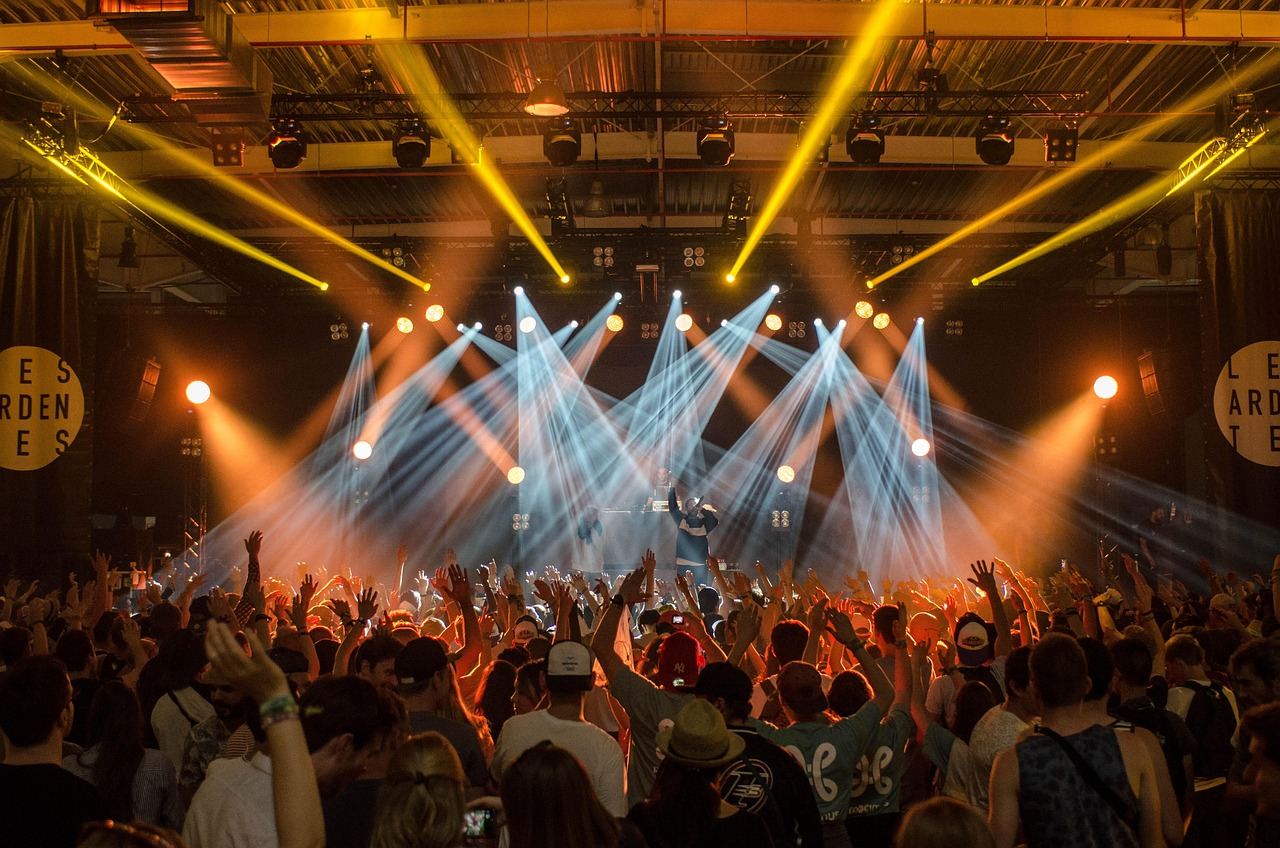
Band performance isn't just about playing well; it's a spontaneous team sport where quick adaptations and reading the audience matter most.
Getting started with band performance as a beginner involves collaborating with fellow musicians, rehearsing regularly, and preparing to showcase your talent in front of an audience.
Unlike solo practice or bedroom production, the whole thing only works if everyone shows up, listens, and adjusts in real time.
That shared pressure is exactly what makes it different.
In band performance, adults rehearse ensemble music with fellow musicians, coordinating rhythms and harmonies while preparing for live performances. This involves playing instruments together, maintaining a steady rhythm, organizing rehearsal schedules, and preparing material for gigs, including learning songs and refining arrangements. Practitioners also handle logistical tasks like coordinating…
Band performance fosters social belonging and teamwork, creating accountability and connection among musicians. The structure of regular rehearsals and performance goals provides engagement, while the sense of accomplishment from mastering parts and performing together boosts confidence. This combination combats feelings of aimlessness and contributes to mood regulation through active participati…
You think band performance is about playing your instrument correctly in front of people. Just don't mess up, don't stick out, and enjoy the applause at the end.
That's why most people never feel what it actually is.
Picture a string section six months into rehearsals together. When one cellist drags slightly, the rest breathe to cover it — no signal, no words. That collective instinct is what separates a band from a group of people playing the same song.
Technical skill gets you on stage. It doesn't keep you there.
What actually keeps you there is how reliably you hold the group together under pressure — your listening, your recovery, your steadiness when something goes wrong. Performance anxiety sits right at the center of that, which is why managing it is a learnable skill, not a personality trait.
Your first band session isn't five people reading each other's minds. It's five people in a garage, playing at slightly different tempos, hoping the song holds together. Nobody sounds like they rehearsed the same version. Because they didn't.
The first week disappears faster into discussion than playing. Choosing one song takes longer than you'd expect, because nobody knows it the same way. That mismatch isn't a problem to fix — it's the actual starting point of building a shared sound.
By week three, someone stops mid-song to correct someone else. It feels awkward. That moment is the first real band interaction — more meaningful than anything you played cleanly. Getting through a full run-through without stopping feels bigger than it should. It is.
Week four is when specific problems surface — tempo drift, entries that don't line up, a section everyone secretly dreads. Being able to name what's wrong means you've already cleared the hardest part. The next section covers the mistakes that keep bands stuck on that list longer than they need to be.
When to start: Morning
Duration: 1.5 hours
Cost to try: $20
Success criteria: If you can play two songs through with tight tempo and one clean cue change between bandmates, do session 2.
Playing through an entire song feels productive, but it's easy to make the same mistakes each time. Instead of just playing from start to finish, focus on the roughest eight bars and loop them until they become second nature. Then, integrate them back into the whole piece.
Instruments often turn up to compete with the drum kit, leading to a practice room that's way too loud. Instead, adjust your volume to suit the quietest level the drummer can manage. This creates a better balanced sound for everyone.
Playing your part flawlessly at home rarely translates to live settings, especially with unfamiliar musicians. Record a demo with the whole band and practice your part with it, ensuring you stay in sync with everyone else.
Venue sound techs know the room, not the specifics of your gear. They won't catch everything, like a guitar hum or a vocalist needing extra reverb. Get there 45 minutes early and run through a song at full volume. This lets you catch and fix issues before the show.
Starting with your best song out of nervousness leaves little energy for the rest of the set. Open strong, but place your best song second and your next best last. Use the other songs to build up to these moments, maintaining energy throughout.
Rehearsal spaces, local venues, and dedicated music facilities are your go-to spots. Recording studios, community centers, music schools, and small bars or clubs running open mics are all worth checking out.
Start with BandMix.com — it's the one platform built specifically for this. Filter by genre, location, and experience level to find people at your stage. Facebook Groups work too — search "[your city] musicians" or "[your city] band looking for members" to find active local connections.
Meetup.com lists music jams and open rehearsal nights that are low-pressure and genuinely beginner-friendly. For more formal leads, your nearest Recording Academy chapter or a NAMM local chapter can point you toward regional musicians and groups actively looking for new members.
Introducing yourself is simpler than most people expect. "I practice regularly and I'm looking to play with other people" is enough to get you into casual jams — and casual jams are exactly where you want to start.
These five paths aren't equal in difficulty or timeline. Two of them get you on stage in months. Two require years of groundwork first. One sits in the middle but asks for a skill most hobbyists skip entirely.
Cover bands play familiar hits the crowd already loves. No originals needed, no years of songwriting to front-load. The fastest path from first rehearsal to real applause — and the feedback you get is immediate and honest.
Original music means full creative control over every song. The tradeoff is time — you won't be stage-ready quickly. Best suited to players who already have musical fundamentals and are chasing expression, not fast gigs.
Wedding and corporate gigs pay reliably. The client controls the setlist, and the schedule stays full once you're established. The catch: this work punishes inconsistency — you need tight rehearsal discipline and enough experience to hold the room under pressure.
The next two are where most players never think to look — and where some of the most interesting live experiences actually happen.
Jam bands and improv-heavy groups drop the setlist entirely. Songs stretch, change direction, and occasionally fall apart in interesting ways. Perfect if rigid arrangements bore you faster than they challenge you.
Pit bands and musical theater groups follow charts and conductor cues. The performance is collaborative and disciplined by design. Reading music fluently isn't optional here — it's the entry requirement.
A close neighbor worth considering: DJ Mixing.
Readers who enjoy this often gravitate toward Live Remixing next.
Some of the same instincts show up in Double Bass — worth a look if this clicked.
Most beginners spend rehearsal focused on their own part — cleaner notes, fewer mistakes, smoother transitions. The band still sounds disjointed. Five people playing well separately is not the same as five people playing together.
The skill that actually changes this is learning to listen across the band while you play. Not after. Not on the recording the next day. Right in the moment, tracking how your part lands against the drummer's kick, the bassist's downbeats, and the guitarist's chop — while you're still playing.
This is a split-attention skill. It won't click passively — you have to train it deliberately by shifting your listening focus, not just your playing focus.
Your part sounds fine. The band sounds off. Neither is wrong. Playing your part correctly and locking into the ensemble are two different things — and only one of them makes the band sound tight.
Start small. Pick one instrument to track each run-through and rotate. One pass, you're listening to the drummer's kick. Next pass, the bassist's landings. You're not evaluating them — you're calibrating yourself against them.
Once this listening habit is locked in, the next question is where to apply it first — and that depends on which role you're playing in the band.
Attend eight rehearsals over 30 days, roughly two sessions per week — spaced enough to let each one settle before the next.
If you're already thinking about the next rehearsal before this one wraps, that pull toward the room — not just the music — is the hobby showing itself. Commit to a specific role and have a direct conversation with your bandmates about expectations.
If rehearsals felt flat but not bad, the problem might be the band or genre rather than performing itself. Try a different group or style for another month before drawing conclusions.
If you were mentally somewhere else for most of those eight sessions, that's a clean answer. The scheduled commitments and group dependency aren't bugs in band performance — they're the whole structure. Disliking those things doesn't change with more rehearsals.
The sign that it's working: you're watching live performances and mentally placing yourself on that stage, not just in the audience.
Not ready to pick a hobby yet? The boredom busters page has smaller things to try first.
No, but having some basic musical skills helps. Many bands accept beginner musicians and provide guidance, though you'll want to practice outside of rehearsals to keep up with the group.
Most bands meet for 1–2 hours of rehearsal weekly, with additional practice time on your own. Once you start performing, add travel time and potentially weekend gigs to your schedule.
Standard bands include drums, bass, guitar, keyboard, and vocals, though genres vary. Some bands need horns or strings depending on their style and sound.
Beginner bands typically prepare for 2–6 months before their first performance, depending on complexity and member skill level. The timeline depends on how frequently you rehearse and how polished you want to sound.
Costs vary widely based on your instrument and equipment quality, ranging from $200–$2,000+ for gear. Additional expenses include rehearsal space rental, sound equipment, and promotional materials for gigs.
Many introverts thrive in bands because the focus is shared among musicians, reducing individual pressure. Stage fright is common but diminishes with practice and supportive bandmates who understand your concerns.