BoredomBusted — Find Your Next Favorite Thing To Do
Discover hobbies, activities, places, and ideas that spark joy. Whether you're looking for something creative, active, social, or relaxing, BoredomBusted helps you find your next favorite thing to do.
Browse our hobby guides, things-to-do collections, and place ideas to never be bored again.
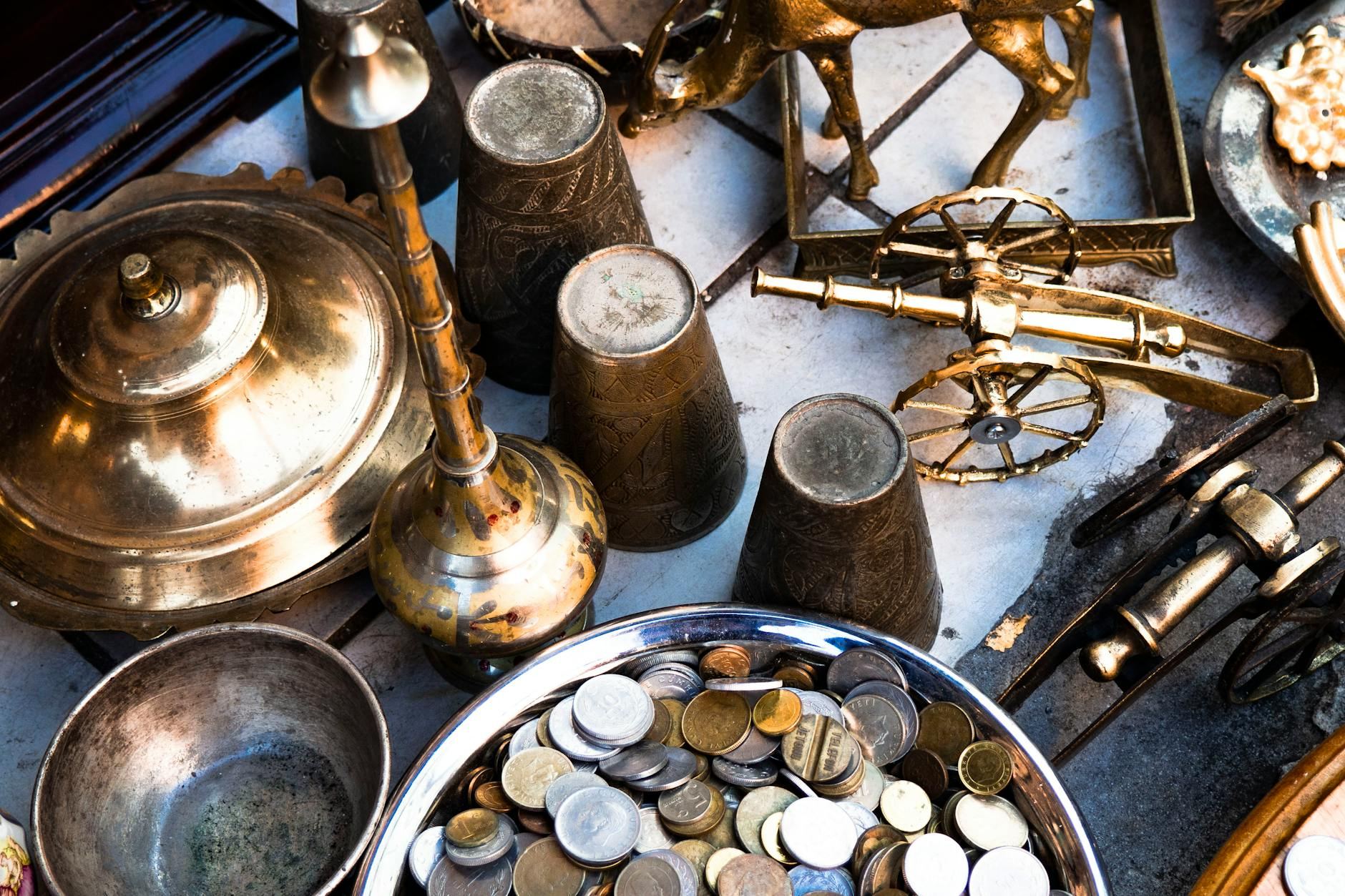
Brass isn't about polishing shiny objects—it's a rigorous engineering practice manipulating metal properties through precise techniques.
Getting started with brass work as a beginner allows you to transform metal sheets into stunning art or functional pieces with creativity and skill. You start by polishing until they gleam, then hammer and bend them into objects like bowls or decorative panels.
This craft requires precision—measuring, cutting, and annealing keep the metal workable as you shape it.
Beginners typically make simple items like decorative boxes or wall hangings. As skills grow, they move on to ambitious projects like trays or planters.
Adult hobbyist brass practitioners engage in solo sessions, typically lasting 25-45 minutes, focusing on refining technique through exercises like long tones, lip slurs, and legato tonguing on instruments such as trumpet or trombone. They manage airflow and lip control while practicing scales and arpeggios, often using a metronome to improve precision and speed, and conclude with challenging piec…
Brass practice induces a flow state by engaging precise physical coordination and creating immediate feedback from sound quality, which fosters a sense of accomplishment through incremental progress. Hobbyists experience creative expression by adapting exercises and enjoy social belonging during ensemble playing, all of which combat feelings of boredom and isolation.
Brass isn't a decorative hobby for people who like shiny things. It's a materials science practice where you're directly manipulating the properties of a copper-zinc alloy through casting, machining, and finishing techniques—each decision about temperature, tool pressure, and chemical composition changes what the metal actually does. You're not polishing objects; you're engineering them.
You'll bring the mouthpiece to your lips and expect music, but you'll hear a honk like a goose. It's not the warm tone you pictured. Your lips tire quickly. You're using muscles you didn't know existed.
The valve combinations will confuse you. You'll hit wrong notes, scrambling to coordinate three fingers with your embouchure.
Then suddenly, you'll play a passage cleanly. The bright, resonant sound echoes, and you'll feel like you've unlocked a direct line from your body to the air. It's a sensation that typing or drawing doesn't replicate.
When to start: Morning
Duration: 1 hour
Cost to try: $0 - $10 (for sheet music if needed)
Success criteria: If you can buzz and play a short beginner melody in tune on 3 notes using a tuner, do session 2.
Most beginners breathe reactively — they inhale right before a phrase and then tense up to control the air. The problem is that tension kills tone before a single note sounds.
Practice full, low breaths before you even raise the instrument. Airflow problems in phrases almost always trace back to how you breathed in, not what your lips are doing.
When the high notes aren't coming, the instinct is to tighten everything — lips, jaw, neck. It feels like effort equals result. It doesn't.
Smiling or stretching the lips to reach higher pitches is one of the most common embouchure errors brass teachers correct. Range built on tension collapses the moment you get tired — and you will get tired fast. Keep the face relaxed and let air speed do the work.
Slumped posture and uneven weight distribution create muscle tension you don't even notice until practice sessions start feeling exhausting. The instrument ends up fighting your airway.
Stand with weight even on both feet, spine upright, shoulders down. Most beginner fatigue isn't from playing too long — it's from playing with a body that's braced the whole time.
Mouthpiece placement feels like a minor detail until you realize it controls everything. Placement affects tone, range, endurance, and how fast you improve.
The standard starting point is roughly two-thirds coverage on the upper lip — but more importantly, inconsistent placement means you're essentially relearning your embouchure every session. Pick a spot intentionally and repeat it every time.
Beginners who struggle with articulation often unconsciously recruit other body parts — a nod of the head, a shoulder pulse, a sudden breath accent. It masks the problem without fixing it.
Tonguing needs to be drilled separately, slowly, away from full pieces. Clean articulation only develops when the tongue works independently — if the rest of your body is helping, you'll never know the tongue isn't doing its job.
Brass decor enthusiasts won't find a neighborhood brass community, but online is a different story. Active forums and digital groups make it easy to dive into the brass trend in home decor.
r/InteriorDesign on Reddit is your top stop. It's a bustling space for brass fixtures and accents. Engage with critiques and feedback from design lovers.
If you're drawn to visual inspiration, check out r/InteriorPorn. It's a photo-centric subreddit showing brass in luxury settings.
r/Decorating is ideal for DIY and budget projects. This is where casual decorators gather to share affordable brass accents.
Visual planning and inspiration find a home at r/DesignInspiration, presenting concept images with brass in modern styles.
For minimalist approaches, r/MinimalistDecor features subtle, sculptural brass uses.
Discover design-focused conversations on Discord, starting with Home & Design Hub. Engage in channels debating brass finishes and lighting.
For a curated experience, look for Architectural Digest-inspired servers, where brass topics are a common thread.
British brass bands feature cornets, horns, euphoniums, trombones, and tubas. They are known for a warm, mellow sound. Discipline and specific repertoire knowledge are essential here.
Big band jazz brass sections provide harmony, rhythm, and melody. Improvisation and complex arrangement interpretation are key skills to master.
Balkan brass bands offer fast beats and high energy rooted in 19th-century folk traditions. Rhythmic drive and cultural expression are their hallmark.
Fanfare orchestras add the saxophone family to brass, prevalent in Belgium, Netherlands, and Germany. They create a varied soundscape with greater tonal variety.
Chamber brass ensembles like quartets and quintets require refined technique and intonation control to interpret classical and contemporary pieces.
Percussion lives in the same world — different mechanics, similar appeal.
Embouchure control—the precise shaping and tension of your lips against the mouthpiece.
It determines your tone, intonation, and range. It dictates whether you can play for more than five minutes without fatigue. Without it, valves, fingerings, and breathing technique become pointless extras.
A sloppy lip seal causes chaotic vibrations. Master embouchure control, and difficult passages become achievable. High notes come easier. Your sound ceases to squeak.
This hobby is for you if you: - You find yourself drawn to objects with weight and substance—you prefer tools that feel expensive in your hand - You're comfortable with a steep learning curve before producing anything that doesn't look like a mistake - You like solitary, repetitive work that lets your mind wander while your hands stay focused - You're willing to invest in quality tools upfront and accept that mistakes are expensive It's probably not for you if: - You need immediate visible results to stay motivated - You get frustrated easily by metal that doesn't cooperate or finishes that require multiple attempts to get right - You live in a small space and can't dedicate a work area to dust, shavings, and chemical smells
Brass is a deeper commitment than most boredom cures — for lighter options, check things to do when bored.
Most beginners can develop basic playing skills and play simple melodies within 3–6 months of consistent practice. Achieving intermediate proficiency typically takes 1–2 years, depending on practice frequency and quality of instruction. Progress accelerates once you establish a solid foundation and develop proper embouchure technique.
A beginner-friendly brass instrument typically costs between $300–$800 for a reliable mid-range option. Student-grade instruments start around $200–$300, while professional-quality instruments range from $1,000–$5,000+. Budget should also account for maintenance, repairs, and accessories like mouthpieces and cleaning kits.
Trumpet and trombone are the most accessible brass instruments for beginners due to their straightforward mechanics and affordability. French horn and tuba are also options, though they require more advanced embouchure control and larger financial investment. Your choice depends on the sound you prefer and the musical genres you want to play.
Yes, brass instruments are suitable for children as young as 8–10 years old and for adults of any age—it's never too late to start. Children benefit from developing discipline and coordination, while adults find it a rewarding creative outlet and social activity. Physical strength isn't a major barrier since proper technique matters more than raw power.
Brass can be enjoyed at any level—from casual recreational playing to serious study—making it flexible for different commitment levels. Many players enjoy social band settings, jam sessions, or solo practice without pursuing professional goals. Even 20–30 minutes of regular practice can bring noticeable improvement and enjoyment.
Brass playing requires developing stamina in your embouchure (lip and mouth muscles), breath control, and hand coordination, which typically improve within weeks of practice. Initial fatigue and occasional mouth soreness are normal but usually resolve as your muscles adapt. Proper posture and breathing technique minimize strain and prevent injury.