BoredomBusted — Find Your Next Favorite Thing To Do
Discover hobbies, activities, places, and ideas that spark joy. Whether you're looking for something creative, active, social, or relaxing, BoredomBusted helps you find your next favorite thing to do.
Browse our hobby guides, things-to-do collections, and place ideas to never be bored again.
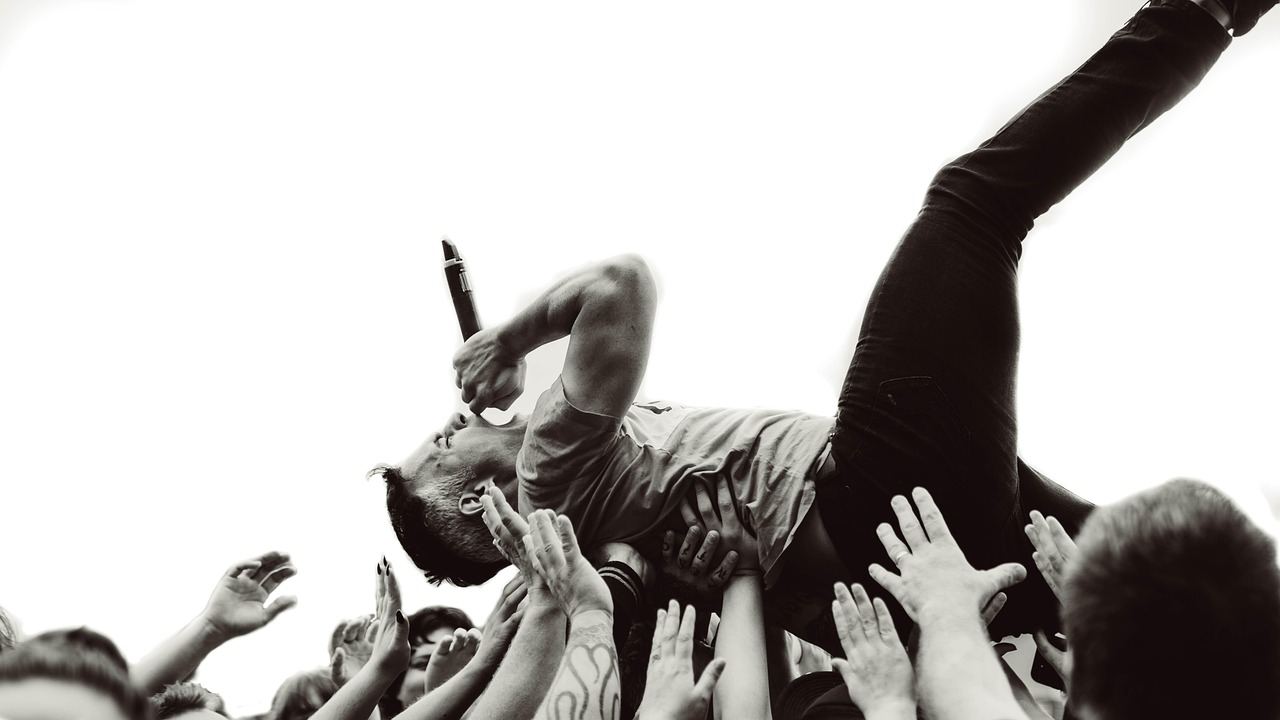
Following a band isn't just about nostalgia; it's a deep dive into live creativity, social connections, and evolving sound that transforms how you experience music.
Getting started with band following as a beginner involves more than just enjoying music; it's about creating memorable experiences by attending multiple shows for the same artist — sometimes across cities, sometimes across countries — rather than treating concerts as one-off events.
The repetition is the point: setlists change, crowds shift, and you start hearing things casual fans miss entirely.
Unlike concert-going, it's not about the event. It's about the accumulation.
In Band Following, you actively engage in attending live concerts, participating in fan meet-ups, and tracking your favorite bands' tours and events. This hobby involves connecting with fellow fans, sharing experiences, discovering new music, and immersing yourself in the atmosphere of live performances. You may also join discussions or groups centered around your favorite artists, enhancing your…
Band Following alleviates boredom through social belonging and teamwork, as it fosters a sense of community among fans. Engaging in shared experiences at concerts and events creates camaraderie, while the excitement of live music provides a stimulating environment that satisfies a creative drive and offers a sense of accomplishment when discovering new artists and songs.
You think band following means buying a tour shirt and showing up drunk to the same set list every night.
That's the assumption. And it's wrong in a specific way — it mistakes the container for the thing itself.
Carrie followed a mid-size folk-rock band for two years across eleven states. She wrote her MFA thesis on improvisational structure in live performances, and the band became her research site.
Setlists shifted. Songs got reshuffled. New tracks trialed in front of a Tuesday crowd in Tulsa. Repeated exposure revealed patterns that a single weekend show — or even a dozen isolated shows — simply can't surface.
The social layer compounds it. Repeat fans build a loose infrastructure of city maps, shared couches, and running jokes that only make sense if you were there in Cincinnati. That network forms without you trying — it's a byproduct of showing up.
The real question isn't whether this hobby has depth. It's whether you're ready to pick your first run of shows before the next tour announcement disappears.
From the outside, Band Following seems serene. The conductor signals, the music flows, and bodies move in harmony. Then you step in, and your body doesn't yet know how to listen — and no amount of watching from the sidelines prepares you for that.
The disconnect is quiet but constant. You watch the conductor, wait for the cue, and still come in half a beat late. That almost-there feeling is the defining frustration of the first few sessions — like decoding a language you partly understand but can't yet speak.
By the third session, something shifts. You stop overthinking entry moments and start blending. The music begins to guide your breath instead of the other way around.
Before you show up, find out whether the ensemble uses a full score or individual parts. Walking in without knowing this wastes your entire first hour on confusion that has nothing to do with your playing. The next section covers the mistakes that keep people stuck in that frustrating early window far longer than necessary.
When to start: Morning
Duration: 2 hours
Cost to try: $0
Success criteria: if you finished without losing track of your favorite bands, do session 2.
Most beginners think attendance is enough. Show up, watch, go home. Bands and their communities notice the difference between a body in the crowd and someone who actually reacts.
After every show, post a genuine reaction and tag the band — not a plea for attention, just a real take. Do this consistently for three months and you stop being a face in the crowd. That's when bands and superfans start recognizing your name.
The post-show adrenaline is real. So is the merch table. The problem is that a shirt bought on impulse has no weight behind it — merch means something when you know which album era it belongs to and why that era mattered. Bought blind, it's just a shirt.
Listen to the full discography before spending anything. Start with the studio albums in release order. By the time you hit the merch table, you'll know exactly which piece connects to something real for you — and you'll skip the rest.
One show, then a four-month gap, then another show. That cycle keeps you a casual fan indefinitely. Community doesn't form around sporadic appearances — it forms around people who show up repeatedly.
Pick one band and follow them through a full tour cycle. See them in two or three cities. The same fans travel — and after the second or third time you recognize each other, you're not strangers anymore. That's how the inner circle actually works.
Arriving late to catch the headliner feels efficient. It isn't. Opening acts are where you find artists before everyone else does — and early fans get access that latecomers never will. Direct conversations, unsigned merch, the kind of access that disappears once a band breaks.
Make arriving for the opener non-negotiable. Within a year of doing this consistently, you'll have two or three artists in your collection who became household names — and you were there first.
Limited-edition variants are designed to pull you in fast. Colored vinyl, alternate covers, numbered pressings — the scarcity pressure is intentional. Beginners chase them without owning the standard version first, which means they're collecting objects with no personal context.
Own the standard pressing and actually listen to it before you consider any variant. Once you know the record, a limited variant has meaning beyond resale value. Before that, you're just spending money on scarcity.
Band following happens at live music venues, festival grounds, and dive bars. The smaller the room, the faster you'll get pulled into the real community around a band.
Most fan communities revolve around the tour schedule. Walk in, find someone wearing the band's merch, and say "first time seeing them live – what do I need to know tonight."
That one sentence gets you a setlist prediction, a spot near the regulars, and a ten-minute download on the unwritten rules of that specific crowd – faster than any online research will.
This is catching regional and unsigned bands at 200-person venues for $10 a ticket. You skip the algorithm entirely and talk to the musicians at the merch table after the set.
The lowest-cost entry point in live music — and the one most likely to get you genuinely obsessed with a band before anyone else knows who they are.
Festival-going means hitting 3–5 major events a year and seeing dozens of acts across a single weekend. You trade intimacy for variety.
Budget honestly before committing. Tickets, travel, and lodging stack fast — $500 to $2,000 per event is a realistic range, not a worst case.
Tour trailing is road-tripping alongside a band's full run — different cities, different setlists, different crowds. This stops being a hobby and starts being a travel identity. Your calendar bends around their tour schedule.
Livestreams, album releases, and fan forums let you follow a band's arc without being in the room. The right fit if you're in a remote area or working around a schedule that doesn't allow travel.
Vinyl pressings, limited merch drops, signed posters — collecting turns fandom into a curated archive. Each piece ties back to a specific show, era, or moment. That's the appeal.
Storage and spend both creep up fast. Go in knowing that, or it gets away from you.
If the texture of this appeals to you, Live Remixing is built on similar bones.
Readers who enjoy this often gravitate toward Turntablism next.
Most beginners obsess over going to every show. They track dates, buy tickets quickly, and log miles. The real lever isn't attendance frequency. It's learning to read a setlist in real time.
The skill is setlist pattern recognition—understanding how a band structures a night so you can anticipate what's coming, not just react to it. Experienced followers know when a deep cut signals a second-set pivot, when a cover means the band is warming up or winding down, and when a song placement is unusual enough to mean something.
When you can read the architecture of a show, you stop experiencing concerts as a string of songs and start experiencing them as a single deliberate thing. Without it, every show feels equally good or equally forgettable—you can't tell when you witnessed something rare.
The fans who seem to have the most fun in the crowd aren't the loudest. They're the ones who quietly clock the moment a band breaks their own pattern—and they feel it before anyone around them does.
The 30-day test for band following is 3 shows in 30 days—different venues if possible, at least one without a close friend along.
If you're already planning the fourth show before the third has ended, you've probably caught the bug. You're checking tour dates on the drive home and comparing venue sounds. It's time to start building your touring calendar and connect with fan communities.
If the shows were fun but left no lasting pull, the issue might be the bands, not the concept. Try one more show—different genre, another venue size. If the spark doesn't ignite after four sessions, it's likely you're chasing someone else's vibe.
If you were just watching the clock, don't force it. Some people prefer the comfort of home music without the crowd and noise. That's valid data, and it only cost you three show tickets to learn.
The subtle hint this is your jam? You find yourself noticing band tour announcements for artists you only kind of like. Planning hypothetical trips to see a band in distant cities without anyone prompting you is a signal.
If nothing here clicks, our guide to what to do when bored covers shorter, lower-commitment options.
Concert ticket prices vary widely, typically ranging from $25 to $200+ depending on the venue, artist popularity, and how close you want to be to the stage. Many festivals and smaller local shows cost less, while VIP packages or popular artists command higher prices. Starting out, you can follow bands through free social media channels and budget-friendly local venues before investing in bigger shows.
You primarily need access to social media platforms like Instagram, TikTok, or Twitter where bands post tour dates and updates, plus a way to purchase tickets (credit card or digital wallet). Optional additions include a concert venue app, a music streaming subscription to discover related bands, and comfortable clothing for standing at shows. Many fans also keep a list or journal of shows they've attended for fun tracking.
Most established bands tour 2-4 times per year, though frequency varies by popularity and genre. Tours are usually announced 2-4 months in advance on official band websites and social media, giving you time to plan. Local and emerging bands may have shorter notice periods or perform monthly at regional venues.
Travel costs can add up significantly—flights, hotels, and gas depend on distance and your preferences. Many dedicated fans budget $100-500+ per show when traveling, though carpooling with other fans or targeting closer venues can reduce costs. Many people mix local shows with occasional destination trips to make it more affordable.
Fan communities form naturally at shows, on social media groups, and through fan forums dedicated to specific bands. Discord servers, Reddit communities, and Facebook groups let you connect before shows, plan meetups, and share setlist predictions. Many fans also attend multiple shows on the same tour, which helps build friendships with people who share the same passion.
Check the band's official website, Instagram, and dedicated ticketing platforms like Ticketmaster or Songkick that let you follow artists and receive show notifications. Many bands also offer email newsletters announcing tours early, giving fans presale access. Setting up notifications on multiple platforms ensures you catch announcements before shows sell out.