BoredomBusted — Find Your Next Favorite Thing To Do
Discover hobbies, activities, places, and ideas that spark joy. Whether you're looking for something creative, active, social, or relaxing, BoredomBusted helps you find your next favorite thing to do.
Browse our hobby guides, things-to-do collections, and place ideas to never be bored again.
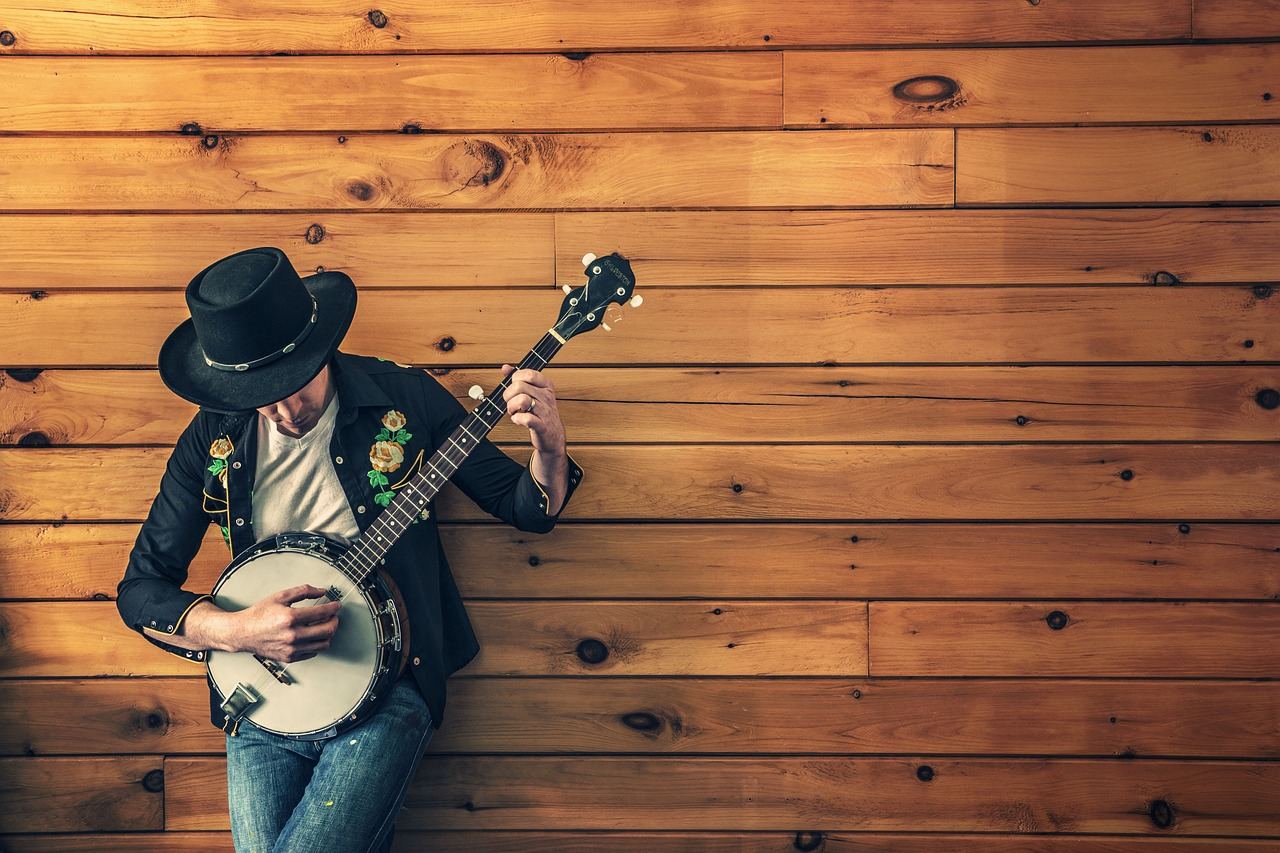
Forget the porch stereotype — the banjo's unique rhythmic engine and genre versatility mean it can elevate any musical style, surprising even seasoned musicians.
Learning the banjo as a beginner provides a unique opportunity to explore its distinctive drum-like resonator body. It projects sound louder and brighter than an acoustic guitar.
No other instrument matches its percussive twang.
Banjos offer open tuning and a short fifth string, making them ideal for rhythm-driven picking from day one.
In banjo practice, you isolate and repeat fingerpicking patterns, focusing on right-hand rolls and left-hand techniques to build speed and accuracy. You'll perform sequences like T M T I M while switching strings, emphasizing melody notes through controlled dynamics. Drilling left-hand chord shapes and scales complements these patterns, with dedicated practice stations allowing for short, consist…
Banjo practice induces a flow state through challenging fingerpicking patterns, aligning skill with progressively harder rolls. Immediate auditory feedback from clean notes fosters motivation, while consistent practice leads to a sense of accomplishment as you track your progress. The unique rhythmic drive of bluegrass creates novelty, and the accessible nature of the instrument enhances creative…
You think banjo is a porch instrument for people in overalls. That assumption is killing your interest before you even hear what the thing can actually do.
The five-string banjo has a built-in rhythmic engine. The drone fifth string rings open on nearly every chord, so even basic patterns sound layered and alive from day one.
It also crosses genres most instruments never touch. Jazz, blues, Irish trad, indie folk — in each of those worlds, the banjo tends to be the most arresting voice in the room, not a curiosity.
Learning banjo rewires how you hear rhythm and melody simultaneously. Most instruments teach these separately. Banjo demands you manage both at once, which quietly sharpens your overall musicianship.
Béla Fleck spent decades pulling the banjo through jazz fusion, African music, and full orchestral compositions. Not as a novelty — but because the instrument keeps going wherever he points it.
Clawhammer. Three-finger Scruggs style. Two very different physical approaches. Each one pulls the instrument toward a different sonic world, and switching later means relearning from scratch.
Next up: what those two techniques actually feel like to play.
Picking up a banjo for the first time isn't magic — it's thuds and awkwardness. The strings feel strange under your fingers. The right-hand rolls go nowhere while the left hand refuses to cooperate.
Then a shift happens. Rolls begin to lock in, and chords sound cleaner. This weirdly addictive repetition is what eventually creates muscle memory — not the tutorials, but the grinding through it.
Most beginners waste time trying to fret the 5th string. Don't. That string is a drone — it rings open in Scruggs-style rolls and isn't meant to carry melody. Lock your focus on the four main strings first, and the rolls will come together faster.
The gap between frustrating and satisfying is smaller than it looks from outside the instrument. The mistakes in the next section are the ones that keep people camped on the wrong side of that gap.
When to start: Early morning
Duration: 1.5 hours
Cost to try: $0
Success criteria: If you can tune the banjo, play two simple songs slowly with clear notes, and record a clip where the rhythm stays steady, do session 2.
Most beginners borrow a classical guitar grip because it feels natural. It isn't wrong — it just quietly breaks your rolls later when you need the thumb anchored and ready.
Rest your right thumb on the fifth string before you play a single note. That anchor point is the physical reference your whole right hand organizes around. Build it in now and it becomes invisible. Skip it and you'll be relearning hand position six months from now.
Splitting them into separate practice blocks feels organized. But banjo doesn't work that way — the roll pattern has to survive a chord change, or it isn't useful yet.
Pick one chord and loop a basic roll over it for 10 minutes a day from week one. G major with a forward roll is the standard starting point. Once that's solid, introduce a second chord mid-loop. That transition moment is where real banjo technique gets built.
Some beginners skip picks to "feel the strings first." Others grab the cheapest set they can find. Both choices train a tone and attack that you'll have to un-train the moment real picks go on.
Start with medium-weight National metal fingerpicks and a plastic thumbpick, and bend them to fit before your first session. Fit matters more than brand at this stage. A pick that digs into your finger will throw off your timing before your technique even gets a chance to develop.
The fifth string is shorter than the rest and starts at the fifth fret peg. Beginners routinely tune it by ear against the other strings and land somewhere wrong, then wonder why open G sounds muddy.
Use a chromatic clip-on tuner and confirm the fifth string lands on G4 specifically. Not just "a G" — G4. The octave matters. Get that locked in before every practice session.
Slow rolls feel robotic. So beginners push the tempo up to make the pattern sound like actual music. But sloppy muscle memory at speed is genuinely harder to fix than building it correctly from slow.
Set a metronome to a tempo where every note lands clean, then raise it by 4 BPM only after three consecutive flawless runs. That threshold sounds fussy. It isn't. It's the difference between ingraining the pattern and just rehearsing the mistake faster.
Open mics, bluegrass jams, and folk music societies are where banjo skills truly grow. These gatherings happen weekly across the country in bars, community centers, and libraries.
Jump onto Meetup.com and search "bluegrass jam [your city]" for beginner-friendly sessions. These jams are traditionally open to all skill levels.
The American Banjo Fraternity (banjofraternity.org) is another excellent resource. They keep a member directory and have regional chapters where five-string banjo players unite.
On Facebook Groups, search "old-time jam session [your city]." These jams are forgiving, often featuring slower tempos and song repetition.
For more personalized advice, try the local events board on the Banjo Hangout forum at banjohangout.org. It's a well-maintained space for banjo enthusiasts.
Walk in, introduce yourself as someone who knows a few chords and wants more practice. The culture at these events actively pulls newcomers toward the slower songs — and someone will tell you exactly what to learn before you come back.
Think open G tuning and fingerpicks delivering that classic Scruggs-style roll. It's loud and unmistakable.
This is the 5-string's home territory — bluegrass, country, old-time American folk. The learning community here is bigger than every other banjo style combined, which matters when you're stuck at 11pm and need a tutorial.
The tenor banjo has four strings and a shorter neck. It lives in jazz and Irish traditional sessions. Ideal if Celtic pub sessions or early jazz recordings are what got you interested in banjo at all.
Gear costs are comparable to a 5-string. Just expect fewer string options and a thinner instruction catalog.
The plectrum banjo looks like a tenor but runs a longer neck and alternate tuning. A must-have for players already deep in traditional jazz repertoire — not a discovery instrument.
If you already know why you need it, this one's for you.
The 6-string banjo — sometimes called a banjitar — uses standard guitar tuning on a banjo body. Great for guitarists who want the banjo sound without rebuilding their muscle memory from scratch.
Just don't expect approval from banjo purists.
Open-back banjos are quieter and sit naturally with clawhammer style. Resonator banjos project harder — built for cutting through a bluegrass band. Pick based on the style you chose above, not which one costs less: a resonator banjo in a clawhammer context will always feel wrong.
A close neighbor worth considering: Violin.
A close neighbor worth considering: Ukulele.
Another variant that pulls from the same roots is Woodwinds.
Most beginners spend their time on chord shapes and tablature, thinking progress comes from songs mastered. In reality, the right hand defines your growth in a bigger way than your left hand ever will.
The crucial skill is right-hand roll consistency. Train each finger to hit with the same volume and tone, regardless of string or left-hand action.
Rolls sound clean in isolation.
Hit a chord change, and everything falls apart.
That collapse is the tell — right-hand independence isn't trained until it holds steady while your left hand is doing something hard.
Automatic rolls eliminate interruptions from chord changes. Your left hand may slip, but your right hand persists. Without this skill, every new chord shape jars your rhythm and leaves you sounding choppy.
Start by removing the left hand from the equation entirely. Mute all strings with your fretting hand and drill rolls for five minutes straight — no chords, no melody, just even finger strikes.
Once your right hand is independent, the entire playing experience shifts. Next, see how this affects other styles.
Eight sessions in 30 days. That's twice a week, 20–30 minutes each time — enough to push past finger soreness and get a real feel for the instrument.
If you're picking up the banjo between planned sessions — running roll patterns in your head, fingers moving on the table — that's not casual curiosity. Enroll in a structured beginner course and commit to three months.
If the sessions felt flat but not unpleasant, the style may be the problem rather than the banjo. Spend one session on whichever you haven't tried — Scruggs-style bluegrass or clawhammer folk — before deciding anything.
If you were dreading sessions before they started, that goes beyond a learning curve. The banjo's bright, percussive tone and repetitive roll structure don't suit every musical instinct. That's a clean answer — not a failure — and other instruments will fit you better.
The sign that it's working: you're noticing banjo in film soundtracks or festival stages without looking for it — and stopping to listen.
For a wider menu of options, see our list of hobbies.
If banjo feels like too much to commit to right now, browse what to do when you're bored for lower-stakes ideas.
Most beginners can play basic chords and simple songs within 3–6 months of consistent practice, though developing fingerpicking technique and rhythm typically takes 1–2 years. The timeline depends on your practice frequency and musical background, but the banjo rewards early effort with playable tunes quickly.
A beginner-quality banjo runs $200–$500, while a decent starter pack with tuner and strap costs around $300–$600. You can find budget options under $200, but mid-range instruments ($400–$800) offer better sound quality and durability for long-term learning.
Banjo has a steeper initial learning curve due to fingerpicking techniques and unique tuning, but the neck is smaller and the strings are spaced wider, making finger placement easier. Many musicians find it comparable to guitar in overall difficulty—just with different challenges to master.
Banjo shines in bluegrass, old-time folk, and country, but it's also played in jazz, rock, pop, and reggae. The instrument's bright, percussive tone adapts surprisingly well across genres—from traditional Appalachian tunes to modern indie tracks.
Practicing 20–30 minutes daily builds skills faster than sporadic longer sessions, though even 15 minutes of focused practice yields steady progress. Most learners see noticeable improvement with 4–5 days of weekly practice within the first few weeks.
No—many bluegrass and folk banjo players learn by ear and tablature without reading sheet music. However, learning to read music opens up more learning resources and classical banjo repertoire, so it's helpful but not essential to start.