BoredomBusted — Find Your Next Favorite Thing To Do
Discover hobbies, activities, places, and ideas that spark joy. Whether you're looking for something creative, active, social, or relaxing, BoredomBusted helps you find your next favorite thing to do.
Browse our hobby guides, things-to-do collections, and place ideas to never be bored again.
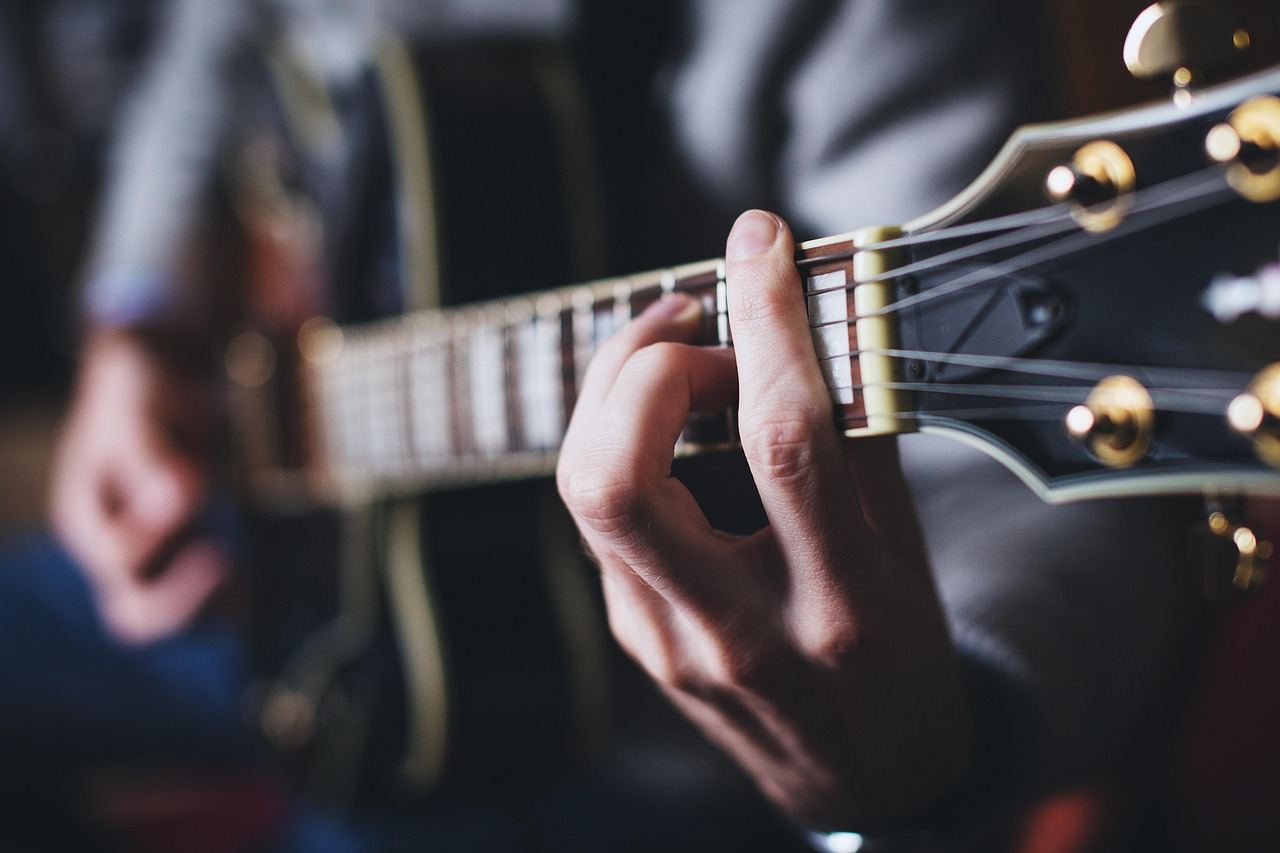
Think acoustic guitar is just for beginners? It actually exposes your technique and can outshine electric in skill development after just two years.
Learning acoustic guitar as a beginner is an enjoyable journey into the world of music that relies on natural sound production. No need for an amplifier.
Technique choices are immediately audible, making the instrument honest.
In acoustic guitar practice, hobbyists engage in structured exercises that involve fretting notes, coordinating finger movements, executing picking patterns, and building muscle memory, alongside learning songs and improving technique through warm-up routines and focused drills.
This hobby fosters a sense of accomplishment through incremental skill feedback as players progress, while the self-directed nature of practice enhances intrinsic motivation and provides creative expression, effectively combating feelings of boredom.
You think acoustic guitar is just a stepping stone. Something beginners start with before moving to something else.
This idea overlooks how the acoustic guitar lays everything bare. No effects cover mistakes — what you play is what you hear. You can't hide a lazy chord or muted string.
Cleaner technique comes faster. The acoustic also covers more stylistic ground than most beginners expect — fingerpicking, percussive strumming, open tunings, and flatpicking are all distinct disciplines that players like Tommy Emmanuel have spent entire careers inside.
Play acoustic for two years. Your fretting hand will likely be cleaner than an electric player at the same stage. Not because you're more talented — because the instrument requires it.
The destination question matters more than the starting point. The acoustic rewards players who stay — not just those passing through. Whether you stay is the thing worth deciding early.
That decision shapes which techniques are actually worth your practice time — and which ones you can skip entirely.
Your first time with an acoustic guitar feels awkward. Strings are like wires, and you wonder if your fingers forgot how to move. A well-loved song mocks you from a distance.
That wrist ache after ten minutes? Normal. Those early confusing chords and relentless buzzing aren't failures. They're the start of muscle memory shaping itself.
By the third session, calluses quietly form. It gets easier to land chord changes — no counting under your breath. Then comes an unexpected moment where music finally emerges, almost like magic.
The key surprise is how quickly recognition builds from the frustration. Tune your guitar every single session, even when it sounds fine. Playing out of tune trains your ear to accept wrong pitches — and that damage is slow and silent.
Around the two-week mark, frustration peaks. Sore fingertips and botched G chords are the price every player who ever improved has paid.
When to start: Morning
Duration: 1 hour
Cost to try: $0
Success criteria: If you finished without playing smoothly, do session 2.
Bigger doesn't mean better for beginners. A dreadnought's wide body and long scale make it tough on adult hands.
Opt for a 000 or OM style body. These offer a similar sound with easier reach and less strain.
Nailing a G major in isolation is just the start. Moving smoothly to C major is where songs come alive.
Drill the transition for two minutes, moving slow enough that you never pause.
It feels secure but compromises reach and string clarity.
Keep your thumb behind the neck, aligned with your middle finger, for smooth and clean fretting.
Constant tuning changes happen due to temperature, humidity, and string stretch. A poor buzz often means out-of-tune strings.
Clip a tuner to your headstock and check tuning every practice session, not just once at the start.
Elbow-driven strumming is hard on your arm and sounds stiff.
Use your wrist as the source of motion, keeping the elbow as a relaxed anchor.
Bring your acoustic guitar anywhere—bedroom, community center, coffee shop open mic, or music school practice room. You can jump in and play without needing a membership or booking a space.
Walk in and ask if the session suits beginners. Mention you're still working on chord transitions, and people will slow down for you, offer tips, and invite you back.
Classical guitars use nylon strings instead of steel. The neck is wider, which makes placing your fingers a lot less cramped.
This is the move if you want fingerpicking or flamenco styles. Nylon strings are also just easier on uncalloused fingertips — a real advantage in week one. Beginner models run $100–$150.
This is the standard acoustic — the one you picture when someone says "guitar." Steel strings, full body, works for folk, country, pop, rock, or wherever you end up.
More tutorials exist for this guitar than any other type — which matters a lot when you're learning from YouTube at midnight.
A 12-string pairs each string with a doubled companion, producing a natural chorus-like richness. It costs $50–$150 more than a comparable 6-string.
Tuning and fretting are noticeably harder. Buying this as your first guitar means fighting two problems at once — the instrument and the technique.
Travel guitars have a smaller body and quieter output. They fit in tight apartments and overhead bins.
The reduced volume and limited resonance make this a poor primary instrument — it's a complement to a full-size guitar, not a cheaper substitute.
An acoustic-electric is a standard acoustic with a built-in pickup. Plug into a PA or amp and you're covered for open mics, small venues, or loud rooms.
Budget an extra $50–$100 over a non-electric equivalent. If you're not performing yet, that premium buys you nothing.
Readers who enjoy this often gravitate toward Electric Guitar next.
Bass Guitar is a sibling pursuit and often surfaces the same kind of curiosity.
Most beginners obsess over their fretting hand — cleaner chords, faster transitions, less buzzing. The real bottleneck is almost always the strumming hand, and it stays invisible until someone points directly at it.
The fix is keeping your strumming arm moving in a continuous down-up pendulum — even when you don't hit the strings. Your arm becomes the metronome. Strings are optional.
The moment you stop the swing to reset, you've broken the rhythm. No amount of chord practice fixes a strumming arm that keeps stopping.
Your strumming arm becomes an independent force. Chord transitions stop being emergencies.
You have a full beat of arm movement to get your fingers down, not a fraction of one. Without it, every song sounds like you're playing chords, not music. With it, even three-chord songs start to feel like something a stranger would actually want to hear.
Acoustic guitar needs 12 sessions over 30 days to give you an honest read. That's about three times per week.
Early sessions are all friction. Fingertips hurt, chords buzz, nothing sounds right.
By session eight or nine, your fingers adapt. That's the window where you find out if you actually love playing, or just loved the idea of it.
If you find yourself sneaking in playtime between sessions, you're hooked. Noodling before bed or practicing during commercials isn't discipline — that's the hobby pulling at you without being asked. Act on it by finding structured lessons or a beginner course to keep the momentum moving.
If you finished all 12 sessions and felt indifferent, that's honest data, not a personal failing. Extend by two weeks and try songs you actually care about before writing it off — sometimes the repertoire is the problem, not the instrument.
If sitting down to play felt like a chore every single time, respect that reaction. Rhythm lovers who need an audience to stay motivated often land better with drums or a band setting — solo practice-room instruments have a specific profile that doesn't suit everyone.
If you're spontaneously picking out fingerpicking patterns or chord changes in songs you've heard dozens of times, that involuntary ear-shift means the guitar has already started rewiring how you hear music. Don't ignore it.
Not ready to pick a hobby yet? The boredom busters page has smaller things to try first.
Most beginners can play simple songs within 3–6 months of consistent practice (20–30 minutes daily), though developing intermediate skills typically takes 1–2 years. The timeline depends on your practice frequency, natural rhythm, and learning method—lessons accelerate progress significantly.
Strumming uses a pick or fingers to play multiple strings simultaneously, creating a fuller sound ideal for rhythm and chord progression. Fingerpicking plucks individual strings in specific patterns, allowing for more complex melodies and arrangements—many songs use both techniques.
Entry-level acoustic guitars range from $100–$300 for decent quality, with options from brands like Yamaha and Fender offering good value. You'll also need a capo ($10–$20) and a tuner ($15–$30), though many beginners start with free tuner apps.
Acoustic guitars have thicker, harder strings that can cause finger soreness initially, making them slightly more challenging for beginners. However, the learning curve for actual playing techniques is similar—the main difference is physical comfort rather than skill difficulty.
Self-teaching is absolutely possible with online tutorials, apps, and chord charts, though many learners benefit from a few lessons to establish proper hand position and technique. Without guidance, you risk developing bad habits that are hard to break later.
Start with simple 2–3 chord songs like 'Wonderwall' by Oasis, 'Knockin' on Heaven's Door' by Bob Dylan, or 'Horse with No Name' by America. These teach basic strumming patterns and chord transitions without requiring complex fingerpicking skills.