BoredomBusted — Find Your Next Favorite Thing To Do
Discover hobbies, activities, places, and ideas that spark joy. Whether you're looking for something creative, active, social, or relaxing, BoredomBusted helps you find your next favorite thing to do.
Browse our hobby guides, things-to-do collections, and place ideas to never be bored again.
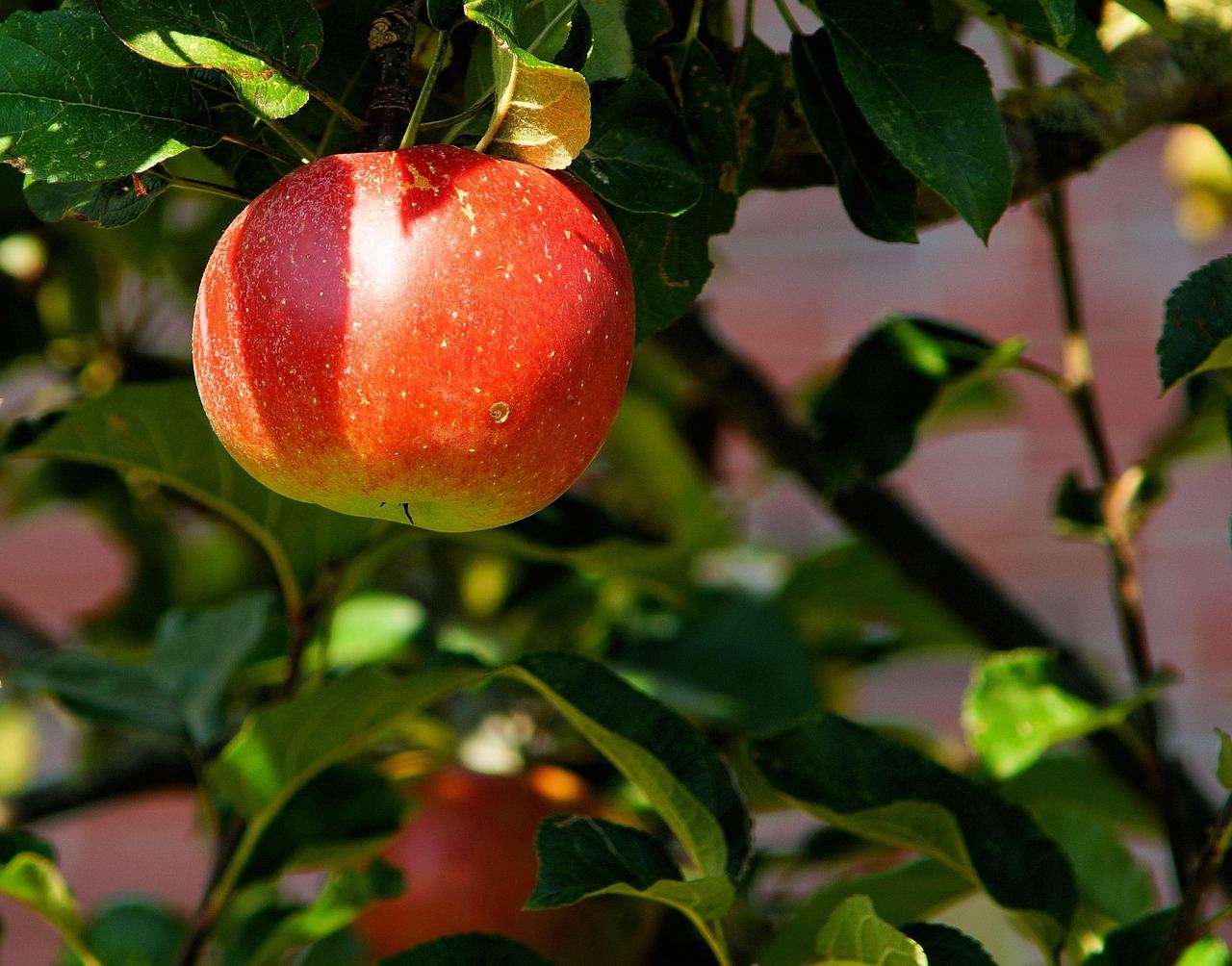
Apple picking isn't just a fall photo op — it's an evolving skill where seasoned pickers know to visit orchards weeks apart for the best varieties, tapping into hidden orchard wisdom.
Getting started with apple picking as a beginner offers a delightful experience of harvesting fresh fruit directly from the tree. It's the perfect late summer through fall activity.
You might end up with more apples than expected after working the rows yourself. More apples than you planned on.
Feel immersed in the process, not just buying the final product. This is what sets apple picking apart.
Apple picking involves visiting orchards, selecting rows of trees marked for harvest, and using a specific technique to pick apples by lifting, twisting, and pulling them free without damaging the tree. Participants walk along orchard rows, often covering large areas, filling bags with 10-22 pounds of ripe apples while exploring the environment around them.
Apple picking alleviates boredom through a sense of accomplishment as hobbyists fill their bags with freshly picked fruit, fostering flow states via learned techniques that provide immediate feedback and encourage skill development. The activity's seasonal novelty invites repeat visits for new apple varieties, while group outings create social belonging as friends share the experience and discove…
You think apple picking is a fall activity. A Sunday thing. Something you do once, post a photo, and forget about by Tuesday.
That assumption is costing you one of the most genuinely satisfying outdoor skills available to a beginner.
Color alone lies to you. Experienced pickers use firmness, stem resistance, and variety timing to find the right window.
Most orchards run 6–12 varieties ripening on staggered schedules. A visit in October is completely different from one in late August.
A single trip isn't enough to master it – the routine of reading branches and moving through rows efficiently takes practice.
A friend of mine has stuck with the same orchard for four years. She maps her visits by variety calendar. She never waits with the day-trippers.
Back in a quieter section of the farm, she picks Honeycrisps three days before peak — exactly how the orchard owner showed her the second year she asked for advice.
That kind of access – the unwritten orchard knowledge – only comes once you stop treating it like a backdrop for autumnal content.
One visit. One section of trees. One question asked out loud. That's genuinely all it takes to start building the kind of relationship with an orchard that turns a day trip into a real skill.
Your first visit is where that starts — and there's a right way to spend it.
Apple picking looks effortless when you watch other people do it. Then you step into the orchard yourself. The scale catches you off guard — rows stretching further than expected, and the best apples somehow always just out of reach.
The part nobody warns you about is the bag. Enthusiasm fills it fast, and by the time your arms ache, you've already committed to carrying twenty pounds back to the car. But something shifts mid-visit — you start reading the colors differently, spotting which rows are worth the walk.
The second visit feels like a different orchard. What felt random starts to feel readable. That shift — from reacting to the orchard to actually reading it — is where the hobby stops being frustrating and starts being satisfying.
Most beginners clean out the eye-level apples and leave wondering why the haul was mediocre. The best fruit hides above your head and close to the trunk — exactly where inexperienced pickers stop looking. Knowing that going in saves you a full visit of disappointment. The next section covers the mistakes that keep people stuck in that disappointment longer than necessary.
When to start: Morning
Duration: 2 hours
Cost to try: $10
Success criteria: If you return from the orchard with a full bag of ripe apples picked by hand, with no bruised fruit, do session 2.
It's tempting to grab the reddest apple, but ripeness isn't just about hue. Some apples are ripe while still half-green.
Twist the apple gently upward; if it releases with almost no resistance, it's ready.
Expect a mix-up if you're aiming for Honeycrisps in early September and find only Gravensteins.
Most orchards publish a week-by-week variety calendar – check it before your 45-minute drive.
Pulling hard strips the fruiting spur, which produces next year's apples.
Cup the apple, rotate it upward toward the branch, and let the stem snap free naturally.
Stacking apples deep bruises them before you get home. Bruised apples rot fast.
Pick into the bag gently, stem-up, and stop at half capacity before redistributing.
Beginners grab eye-level fruit, missing better ones with more flavor at the top and edges.
Bring a small step stool or reach around the canopy perimeter before moving to the next tree.
Your apple picking adventure starts at working orchards and u-pick farms where the fruit is the main attraction.
For hands-on picking, find local u-pick farms and orchards. They're the spots that actually let you get up close to the trees.
Introduce yourself as a first-time picker. Ask staff which apple varieties are in peak condition that week.
That inquiry gets you directed to the best rows and tips on techniques like twist-vs-pull, plus an honest call on whether the $20 bag is worth it.
Grab a bag, walk the rows, and pick directly off the branches. Most first-timers start here, and plenty of regulars never leave. No prep needed — just show up and start picking.
Bag fees run $15–$30 depending on the orchard and variety. The most family-friendly format by a wide margin.
Some orchards sell pre-harvested apples right at the stand. You skip the field entirely. You still get orchard-fresh fruit — you just won't be the one pulling it off the branch.
Good option if you're short on time or bringing someone who can't manage uneven terrain.
Certain orchards grow heritage and rare varieties — Roxbury Russet, Black Oxford, and others you won't find in any grocery store. The picking process is the same. The difference is you leave with apples that most people have never tasted.
Worth calling ahead — not every orchard stocks rare varieties, and they sell out fast.
Some orchards let you pick and then press your haul into cider on-site. It turns a two-hour outing into a full afternoon with something concrete to show for it.
Group sessions typically run $40–$60. Pressing equipment is provided — you just bring the apples you picked.
Gleaning programs let volunteers harvest fruit left on the trees after the main picking season. It's free, and the apples go to food banks. You do real picking work — the payoff is that none of the food gets wasted.
Most programs are organized through local food banks or community orchard networks. A quick search by county usually turns one up.
If you want a related angle, Tent Camping is the natural next stop.
If the texture of this appeals to you, Flower Gardening is built on similar bones.
Some of the same instincts show up in Trout Fishing — worth a look if this clicked.
Most beginners chase the highest, reddest apples they can find. That instinct is backwards — and it's why their haul bruises in the bag.
The one skill that separates a good haul from a disappointing one is reading ripeness by touch and twist — not by color, not by height.
A ripe apple releases cleanly with a slight upward twist and gentle lift. If you're pulling hard, stop — resistance means the apple is still feeding from the tree, and forcing it off guarantees a mealy, starchy bite.
Without this, you're picking at random. Just with more steps and a scenic backdrop.
Before you twist anything, press your thumb gently into the skin near the stem. A slight give without breaking the skin means peak ripeness — firm enough to travel, soft enough to have flavor.
Then cup the apple in your palm and rotate it 90 degrees upward toward the branch. Feel for resistance as you turn. A ripe apple pivots and releases in one clean motion — no force required.
Pick three apples you're unsure about and bite into each on-site. Recalibrate your twist pressure based on what you taste. One session of this rewires your instincts faster than any written tip can.
Once this click happens, variety selection becomes your next real decision — and that's where the flavor differences get genuinely surprising.
Apple picking season runs 6 to 10 weeks. Two visits are enough to know — one early in the harvest, one later when crowds thin and varieties shift.
Already planning next year's trip while your haul is still sitting on the counter? That's the hobby — not just a pleasant afternoon. Start checking other u-pick farms in your area and branch out to pears, peaches, or pumpkins.
Had a decent time but no pull to go back? Apple picking probably fits better as an occasional outing than a recurring hobby. Two visits is enough data — no need to push further.
Wanted the day to end before your basket was full? That's a clean answer. Redirect toward something with faster feedback and more structure — repetitive outdoor tasks at a slow pace aren't for everyone.
Catching yourself reading apple variety signs at the grocery store — unprompted, between errands — is a stronger signal than enjoying the trip itself. That kind of low-stakes curiosity is what actually sustains a seasonal hobby.
Living over 90 minutes from an orchard is a real friction point. A long drive feels worth it once — it rarely stays that way across a short season.
Rough orchard terrain is another hard barrier. If mobility is a genuine challenge, the physical strain outweighs what the activity offers.
Solo living with no interest in cooking or baking is worth being honest about. Ten to twenty pounds of apples with no plan becomes a composting project, not a hobby.
Most orchards charge an entry fee of $5–$15 per person, though some offer free admission if you purchase apples by weight. Many farms also sell pre-picked apples, baskets, and cider on-site, so budget $20–$50 total for a family outing including the harvest and treats.
Wear comfortable, closed-toe shoes for walking on uneven terrain, and bring a hat or sunscreen for sun protection. Most orchards provide baskets or bags, but if you have your own, bring it along with a few small snacks and plenty of water.
Peak apple picking season runs from late August through October, with early fall (September–mid-October) offering the best selection and weather. Check your local orchard's website ahead of time, as harvest dates vary by region and apple variety.
Most visits last 1–2 hours, though you can stay longer if you want to explore the orchard, visit a farm stand, or enjoy activities like hayrides or cider tasting. First-timers typically pick enough apples to fill 2–3 baskets in that timeframe.
No experience needed—apple picking is beginner-friendly for all ages and fitness levels. Orchards typically show you how to properly twist and lift apples, and shorter trees are accessible to children and adults alike.
Fresh-picked apples are perfect for eating raw, baking pies, making applesauce, or pressing into cider. Most apples stay fresh in your refrigerator for 2–3 weeks, giving you plenty of time to experiment with recipes or preserve them.