BoredomBusted — Find Your Next Favorite Thing To Do
Discover hobbies, activities, places, and ideas that spark joy. Whether you're looking for something creative, active, social, or relaxing, BoredomBusted helps you find your next favorite thing to do.
Browse our hobby guides, things-to-do collections, and place ideas to never be bored again.
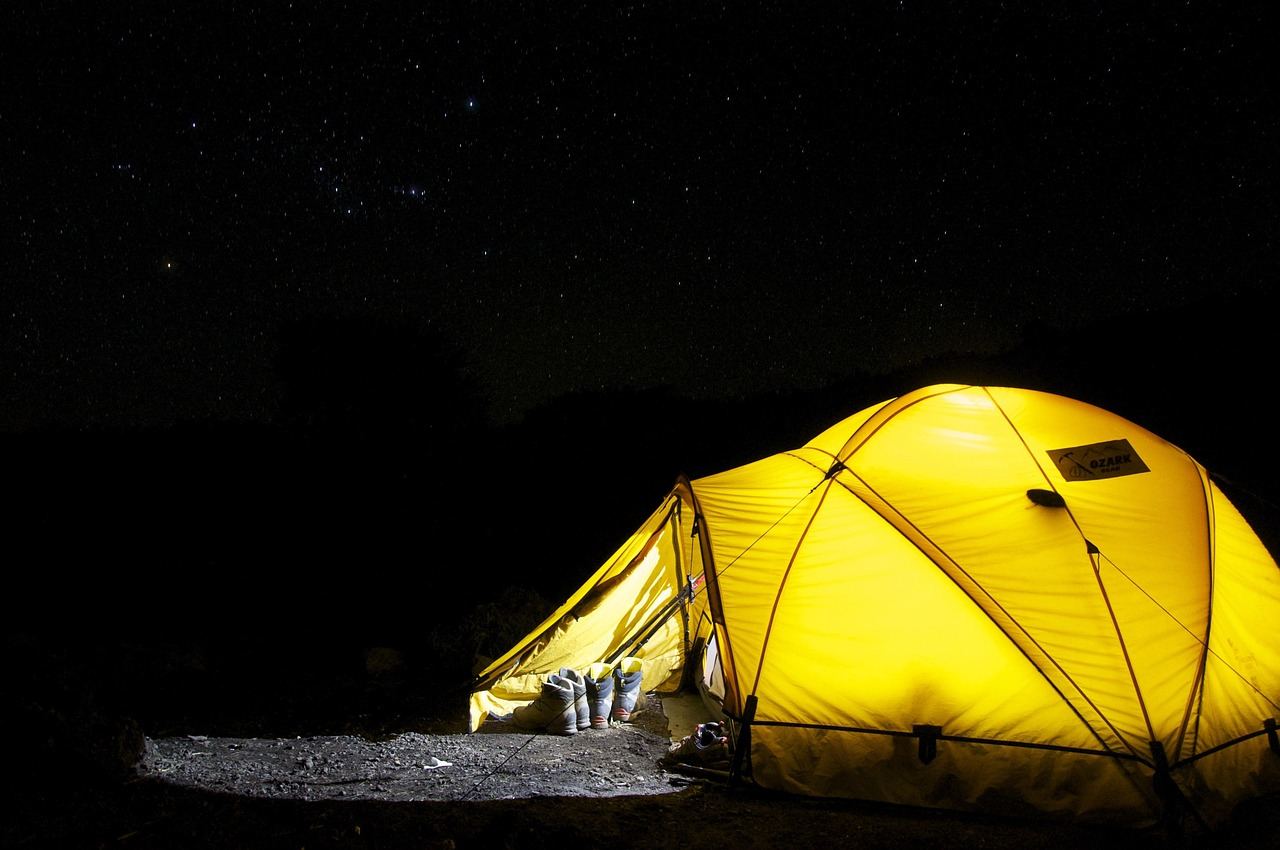
Backcountry camping isn't just more walking; it's a high-stakes decision-making test where every choice can have real consequences, revealing your team's dynamics under pressure.
Getting started with backcountry camping as a beginner involves embracing the true wilderness experience without roads or facilities. No roads, no facilities. You carry everything in and pack everything out.
You plan every detail. Unlike car camping or frontcountry hiking, it's all on you. No ranger stations or trail crews to help. Your route, your shelter, your safety plan.
In backcountry camping, you hike multi-day routes through remote terrains, carrying all necessary gear in a backpack. You navigate to dispersed campsites using maps or GPS, set up minimalist shelters, cook meals, and manage self-sufficiency while practicing Leave No Trace principles. Evenings involve relaxation activities like swimming or stargazing, requiring daily physical tasks like breaking c…
Backcountry camping immerses you in novelty, offering unpredictable wilderness experiences that disrupt routine and engage the senses. This hobby induces flow states through balanced challenges, providing immediate skill feedback via tangible progress, fostering resilience and confidence. It also enhances social belonging through shared experiences, all while delivering a profound sense of accomp…
You're convinced that backcountry camping means more walking. Same gear, more mileage — just a tougher version of family trips. That assumption skips the part that actually separates backcountry from everything else.
Water choices, weather calls, and navigation carry real consequences out there. The physical challenge is the easy part — your legs adapt in a day or two. The mental load is what catches people off guard: rationing fuel by day three, deciding whether to push through a pass in shifting weather.
Add a group and the pressure compounds. Shared stress reveals exactly how people prioritize safety over comfort — and who defers when it counts. No car campground ever puts that on the table.
A friend planned a four-day loop in the Cascades patiently. She trained for the miles and packed her layers perfectly — but nothing prepared her for day two. A creek crossing was thigh-deep from snowmelt, no visible trail on the other side.
She stood there for twenty minutes.
No map fix. No trail marker.
Just a decision she had to make with incomplete information and cold water in front of her. That moment — not the mileage — is what backcountry camping actually trains you for.
Fitness and gear get you to the trailhead. Judgment is what carries you through. The next section covers how to start building it before you ever leave home.
Setting off for your first backpacking trip isn't like watching those glossy YouTube tours. You're standing at the trailhead with a 40-pound pack, and that's when reality sets in.
In the videos, it all looks frictionless. But tent poles go missing and hip belts need adjusting mid-trail. That's normal when theory meets practice.
The pack feels heavier than you imagined, your feet ache by mile two, and the nights run colder than any forecast suggested. Campfire meals take twice as long as planned.
Yet there's a pull that makes you consider heading out again. Returning campers aren't stronger — they've just shifted from expectations to embracing the raw experience.
Before your first night out, put real time into reading a topo map. Batteries fail and signals vanish, but a map-and-compass session could be the difference between finding your way and wandering in circles.
When to start: Weekends
Duration: 2 hours
Cost to try: $10
Success criteria: If you can map a legal route, pack your gear, and hike 30 minutes to a confirmed backcountry camp spot, do session 2.
You're not prepping for a disaster, but you pack like it with too many clothes and full-size items.
Aim for under 15 lbs base weight. Weigh every item and ditch anything you're not using right away.
Daylight escapes faster than you think when you're tired and navigating.
Reach camp two hours before sunset. That cushion is what lets you find the best ground and check for drainage or wind exposure.
Waiting until you're thirsty means filtering in a rush or from sketchy spots.
Refill at each good source, even if you're half full.
Cairns vanish and blazes fade, leaving you lost without other skills.
Use Gaia GPS to download offline maps. Practice position triangulation on your initial trip.
Cotton is cosy at first, but you'll regret it once you sweat and the rain hits.
Switch to merino wool or synthetics before your trip. Avoid learning this lesson after a wet, cold night.
Backcountry camping happens wherever land managers allow dispersed camping. Think national forests, wilderness areas, Bureau of Land Management land, and some national parks with backcountry permit systems. No fee booth, no dedicated facility — just you, a permit (sometimes), and whatever terrain you chose.
Once you're in any of these groups, one move gets you further than anything else. Tell the group you're new and ask what gear they'd recommend checking before your first overnight. That usually gets you a gear list, a route suggestion pitched at your fitness level, and someone willing to answer questions before the trailhead. The Leave No Trace Center for Outdoor Ethics (lnt.org) is worth bookmarking too — their seven principles are what most trip leaders and land managers actually expect you to know.
Forget base camps. You're on the move daily, trekking from point A to point B for days or weeks.
Perfect for those who crave a physical challenge. Living out of a pack for extended periods is part of the adventure.
Ultralight setups get pricey. $1,500–$3,000 isn't unusual because every ounce is a big deal on long hikes.
Forget trails and markers. You're navigating by map, compass, or GPS.
Best for seasoned campers who love navigating and solitude. Not for newcomers, as it quickly tests your skills.
Snow impacts everything. Shelter, sleep systems, and water access get harder.
Best for backcountry veterans who've mastered three-season camping and want a tougher challenge.
Expect to spend $300–$600 more on gear like a four-season sleeping bag and insulated shelter.
You're adventuring across backcountry terrain on a mountain or gravel bike.
Ideal for those who want the freedom of speed without motors. Much of your gear shifts over from standard backpacking, but bikes are a bigger expense.
Travel by water, not by foot. Bring more gear without extra effort.
Beginners will appreciate the lower entry barrier – bring coolers and camp chairs without judgment. Just need basic paddling skills and a canoe.
Some of the same instincts show up in RV Camping — worth a look if this clicked.
Tent Camping is a sibling pursuit and often surfaces the same kind of curiosity.
Most beginners obsess over gear — lighter pack, better tent, warmer sleeping bag. The gear rarely fails them. Their decision-making does.
The one skill is reading terrain for campsite selection before you leave the trailhead. Not picking a spot when you're exhausted at mile 8 — studying topo maps beforehand to identify your two or three viable camp zones, then ground-truthing them against what you actually see on approach.
When you pre-select smart zones, you stop making desperate choices at dusk. Those are the ones that put you on a slope, near a drainage, or exposed to wind you didn't see coming.
Bad sleep, wet gear, miserable mornings. Almost never bad luck.
They're the downstream cost of a campsite decision made without this skill. Perfect gear won't save a trip built on a bad site choice.
Each of these is a deliberate practice loop — not a checklist. Do them in sequence across your next few trips and the skill compounds.
Once this loop becomes habit, every other backpacking variable — weather windows, water sources, bailout options — gets easier to read. The next section covers the terrain types where this skill matters most.
Three trips over 30 days. One overnight, one two-night, and one either solo or with a partner — spaced enough apart that you're reacting to each one, not just grinding through them back to back.
The first trip is adaptation. The second is observation. By the third, you know something real about how you feel out there.
If you're pulling up maps before the mud is off your boots, that's the hobby talking. That forward pull — toward longer trail systems, harder terrain, a navigation course — is what separates people who backpack from people who went backpacking once. Follow it.
Completing three trips without any pull to go back is honest data. Try day hiking or bikepacking before writing off the outdoors entirely — backpacking has a specific pacing and self-sufficiency profile that doesn't suit everyone. The gear investment alone makes it worth knowing for sure.
Discomfort and dread are different things. If the trips felt like something to survive rather than something to do, that's a clean answer — not a character flaw, not a fitness problem. Some people love the idea of backcountry travel and dislike the actual activity. Trust that.
The sign worth paying attention to: you're studying topo maps of places you have no trip planned for, tracing contour lines and eyeing water sources — not browsing gear, just reading terrain for the pleasure of it.
Backcountry Camping is a deeper commitment than most boredom cures — for lighter options, check things to do when bored.
Backcountry camping takes place in remote, unmarked areas far from established campgrounds and facilities—no bathrooms, water sources, or marked trails nearby. You're responsible for navigation, water treatment, waste disposal, and all your own supplies, making it significantly more challenging than car camping or frontcountry sites.
Most people can grasp basic skills in a few weekend trips, but true proficiency takes 6-12 months of regular practice. You'll need time to develop navigation skills, learn proper camp setup, understand weather patterns, and build confidence in emergency situations.
A quality backpack, tent, sleeping bag, cooking gear, and navigation tools are essentials—expect $500–$1,500 for reliable beginner equipment. Many new campers start with budget gear and upgrade over time as they discover their specific needs and preferences.
You should know how to read a map and use a compass, set up your tent properly, filter or purify water, and identify basic hazards like terrain risks and weather changes. Many outdoor clubs and ranger services offer free or low-cost navigation and wilderness safety courses.
It carries real risks—getting lost, injury far from help, weather exposure, and wildlife encounters—but these are manageable through proper training, planning, and equipment. Most dangers stem from inadequate preparation rather than inherent to the activity itself.
Distance varies widely depending on terrain and location, but beginners usually hike 3–8 miles on their first trips. More experienced campers routinely travel 10–20+ miles to reach remote campsites with fewer visitors and greater solitude.