BoredomBusted — Find Your Next Favorite Thing To Do
Discover hobbies, activities, places, and ideas that spark joy. Whether you're looking for something creative, active, social, or relaxing, BoredomBusted helps you find your next favorite thing to do.
Browse our hobby guides, things-to-do collections, and place ideas to never be bored again.
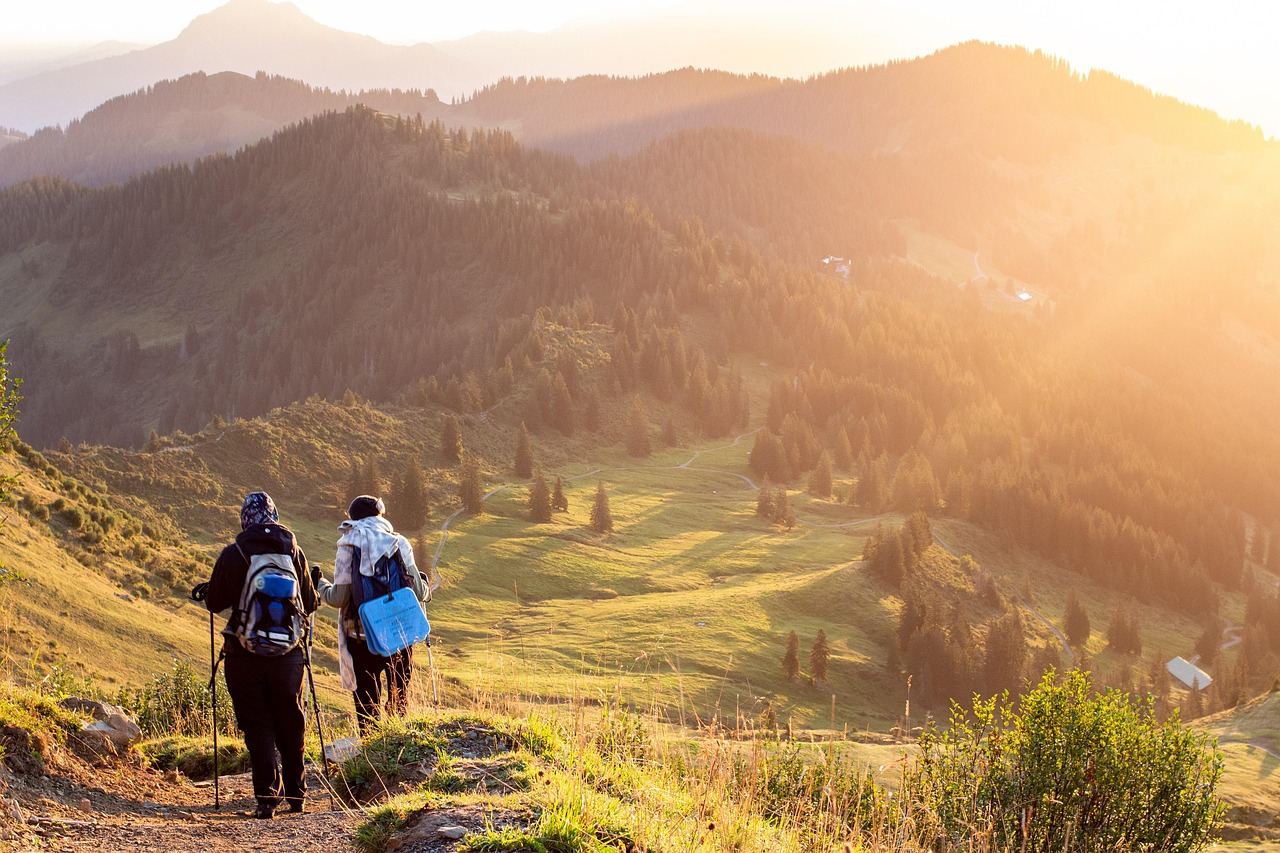
Forget Everest — real adventure travel thrives on mild discomfort in new places, where the unfamiliar can be more impactful than danger.
Getting started with adventure travel as a beginner involves embracing the thrill of physical challenges and discovering the world beyond usual comforts. Adventure travel means deliberately choosing trips built around physical challenge, risk, or remote access – not comfort.
You plan around an activity (trekking, whitewater, mountaineering) and the destination follows.
Unlike regular travel, the difficulty is the point – not an inconvenience to manage around a resort pool.
Adventure travel involves physically demanding outdoor activities like multi-day hiking, scuba diving, or biking across varied terrains, requiring route planning, real-time decision-making, and navigation through unpredictable environments while carrying heavy gear.
This hobby fosters a flow state by balancing skill demands with physical challenges, providing immediate feedback through successful navigation and physical accomplishments, while also offering novelty, social connections, and a sense of achievement.
Adventure travel has a branding problem. The word conjures Everest base camps and white-water rapids — and if that's your mental image, you've already ruled yourself out.
Most of it is actually about mild discomfort and unfamiliarity, not athletic extremity. A guided hike through Patagonia asks no more of your body than a long day on your feet — it just asks it somewhere new.
Take a 54-year-old teacher from Ohio who went sea kayaking in Croatia last summer. No prior kayaking experience. Joined a guided group. Paddled calm Adriatic water between coastal villages for a week.
She called it the most meaningful trip of her life — not because it was dangerous, but because it forced her to navigate real uncertainty without a lesson plan or a correct answer. That's the actual engine of this kind of travel.
New place. Small group. No safety net of routine. That combination is what makes an adventure trip land differently than a resort week — and it's available at almost every fitness level and budget if you know what to look for.
The part that stops most people isn't motivation — it's gear, cost, fitness level, and whether to go solo or with a group. Those four questions are easier to answer than they look.
Watching adventure travel content signals freedom – big skies, spontaneous choices, and bonding around campfires.
But for newcomers, it feels more like getting stuck in a gear store, overwhelmed by water filtration options, doubting every decision before you even start.
The gap between expectation and reality is real. You'll romanticize itineraries, overpack, or google safety at midnight. Everyone starts there.
Mistakes are part of the learning. They guide you to a lighter pack and slower decisions. Each misstep teaches you to trust your instincts and let each journey shape you.
Your first journey isn't about perfection. It's about gaining confidence and understanding your limits. Start with a weekend trip close to home, where mistakes are less costly and learning is constant.
When to start: Early morning
Duration: 1.5 hours
Cost to try: $30
Success criteria: if you finished without severe discomfort, do session 2.
That gorgeous Instagram destination could leave you stranded if you haven't planned your activities.
Decide on your main adventure first. Let the destination support your plans, not dictate them.
Altitude sickness can strike even fit travelers.
Include at least two extra days at a mid-level elevation if you're going over 8,000 feet.
Plan for the worst weather conditions first. Pack for the coldest and wettest scenarios, then lighten your load.
Purchase critical gear six weeks in advance. Use it beforehand. Unfamiliar boots lead to blisters and regret.
Focus on elevation gain and terrain challenges. Dig into recent trip reports instead of trusting mileage numbers.
Adventure travel takes you outside to national parks, mountain ranges, coastal trails, and exciting international destinations.
No gym membership or scheduled venues needed—just your love for the open terrain.
When you visit a potential group, one simple question can make all the difference. Ask, "I'm newer to this – what trip would you recommend I start with?" It ensures you're matched with the right adventure and avoids jumping into a rigorous challenge too soon.
Trekking and hiking need no certifications, no technical training, no special background. A good pair of boots and a well-fitted backpack are genuinely all you need to get started.
This is the only variant where the learning curve doesn't punish you on day one. You're in real landscapes, earning real views, without months of prep work first.
Mountaineering means altitude, technical rope work, crampons, and an ice axe. The gap between hiking and mountaineering is bigger than most people expect — budget for gear and a guided intro course before you commit.
This is for people who've maxed out trail difficulty and want stakes that actually make them nervous. The risks are real, and that's exactly the point.
Whitewater rafting and kayaking put river conditions in charge. The water decides the pace, the chaos, and the challenge — not you.
Start with guided trips on Class II or III water. Renting gear keeps early costs low while you figure out which discipline you actually prefer — rafting and kayaking are very different once you're on the river.
Overlanding is self-sufficient travel across remote terrain by 4x4, motorcycle, or expedition vehicle. There's no summit, no finish line — the route itself is what you're there for.
Gear investment is significant upfront. This suits people who want total autonomy over their itinerary and don't mind spending weeks — or months — figuring out where to stop next.
Volunteer expeditions place you in remote areas — conservation sites, construction projects, research stations — where the work is the reason you're there. The adventure is real, but it's structured around contribution, not personal achievement.
Program fees vary widely. Research the organization carefully — voluntourism is a real problem in this space, and the difference between a legitimate expedition and a paid photo op isn't always obvious from the website.
If the texture of this appeals to you, Thru Hiking is built on similar bones.
If this resonates, RV Camping explores a similar direction.
Most beginners obsess over gear lists and destination research, spending untold hours on the wrong focus. It isn't about what you pack at all.
The real skill is dynamic risk calibration. This is about reading a situation quickly and pivoting without stress. Picture this: you're three hours into a mountain trail, weather changes suddenly, your guide looks uncertain. You make a confident, informed decision in under two minutes, even with incomplete info.
Seasoned travelers aren't paralyzed by unexpected moments. Delayed bus, flooded route, canceled permit—each is just another problem to solve. With this skill, you're no longer dependent on perfect conditions to feel secure.
Real confidence isn't about being fearless. It's about trusting your read of the situation, and that trust is built through deliberate practice.
Two trips over 30 days. One multi-day backpacking trip, one whitewater rafting day — different enough to test both your logistics tolerance and your physical limits.
If you found yourself mid-trip already mentally scoping the next destination, that pull is the hobby itself. The discomfort didn't push you away — it sharpened your focus. Start a destination list and upgrade your shelter or packraft before anything else.
Most people who feel lukewarm after one trip assume the second will click. If both outings felt flat, that pattern matters more than either single experience.
If neither trip left you wanting more, adventure travel probably isn't the fit — and that's a clean answer. Try something with a different reward structure, like rock climbing indoors or cycle touring, before writing off outdoor hobbies entirely.
If you were counting down hours until it ended, don't reframe that as a mindset problem. Some people genuinely love the idea of adventure travel and find the reality — wet boots, uncertain conditions, physical exhaustion — genuinely miserable. That gap between imagined adventure and lived experience is specific information, not a failure.
The sign that it's already working: you're pulling up topo maps or reading trip reports at midnight with no concrete plan yet. That kind of browsing without a purpose is the hobby running in the background whether you've committed to it or not.
If nothing here clicks, our guide to what to do when bored covers shorter, lower-commitment options.
Costs vary widely depending on destination, duration, and activity type—budget trips might range from $1,000–$3,000 for a week, while premium expeditions can exceed $10,000+. Expenses typically include flights, accommodations, guides, gear, and permits. Planning 3–6 months ahead and booking off-season can help reduce costs significantly.
Fitness requirements depend on the specific activity, but most adventure travel requires good cardiovascular health and moderate strength—think hiking, climbing, or water activities. If you're new to the hobby, start with less demanding destinations and build endurance gradually before tackling extreme expeditions.
Most first-time adventurers benefit from 1–2 weeks to acclimate to new environments, adjust to physical demands, and fully experience the destination. Shorter trips (3–5 days) work for local or nearby adventures, while 2–3 weeks allows deeper cultural immersion and more challenging terrain.
Adventure travel carries inherent risks, but proper preparation—including travel insurance, vaccinations, certified guides, and research—significantly reduces danger. Choose reputable tour operators, follow local advice, and be honest about your physical capabilities to stay safe.
Essential gear includes a durable backpack (50–70L), quality hiking boots, weather-appropriate clothing layers, navigation tools, and a first-aid kit. Many specialized items like climbing equipment or diving gear can be rented locally rather than purchased upfront, keeping initial costs manageable.
Start with destinations that match your interests—mountain trekking, jungle exploration, desert adventures—and your current fitness level. Research climate, accessibility, safety ratings, and tour operator reviews, and consider visiting during shoulder seasons for better weather and fewer crowds.