BoredomBusted — Find Your Next Favorite Thing To Do
Discover hobbies, activities, places, and ideas that spark joy. Whether you're looking for something creative, active, social, or relaxing, BoredomBusted helps you find your next favorite thing to do.
Browse our hobby guides, things-to-do collections, and place ideas to never be bored again.
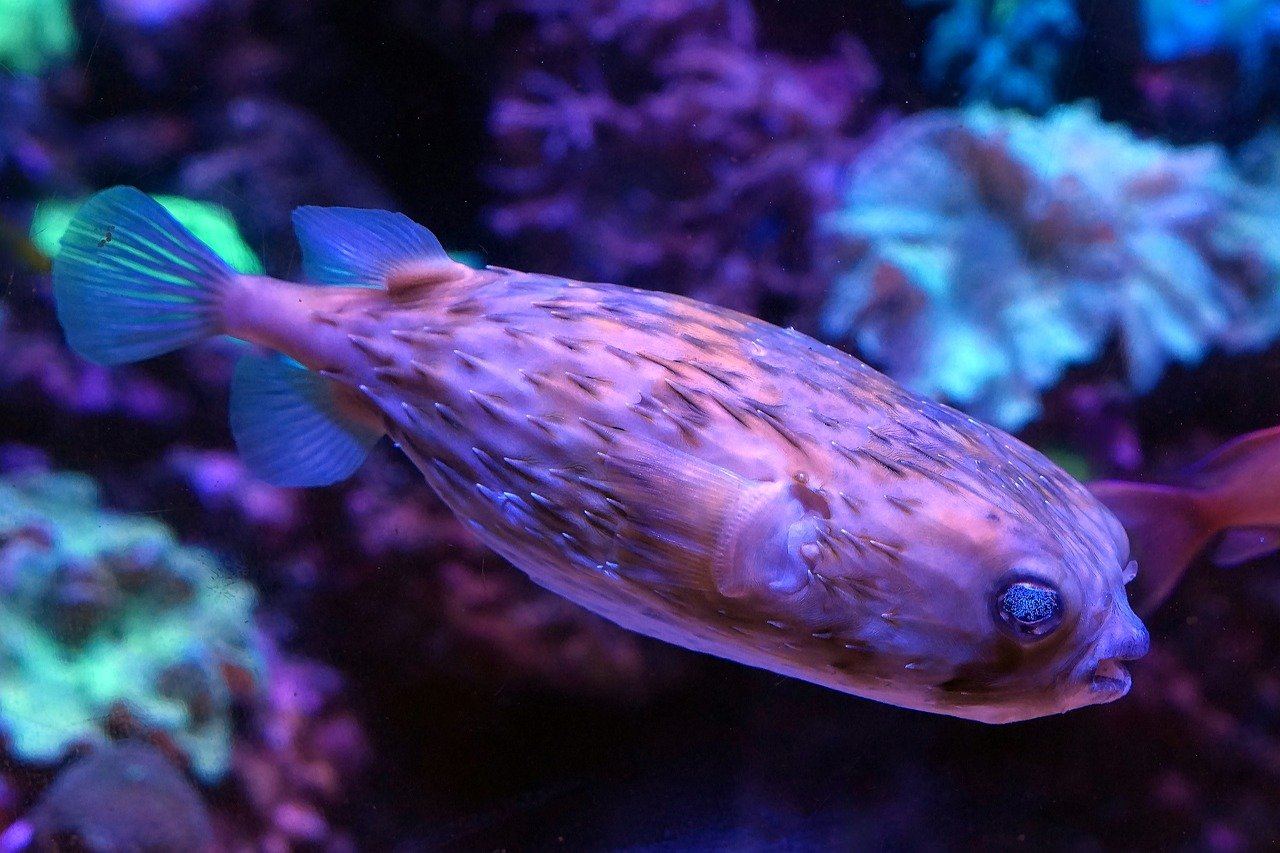
Aquarium keeping isn't the intimidating chemistry lab people think; a simple 10-gallon tank with hardy fish and a plant can self-stabilize in just a week.
Getting started with aquarium keeping as a beginner allows you to create captivating underwater environments filled with vibrant fish and plants.
Balancing art with science is essential. Master water chemistry, understand fish behavior, and care for aquatic plants to keep your tank thriving.
In aquarium keeping, you engage in a structured routine of observing fish, checking their health, performing equipment maintenance, and conducting water tests and changes. Daily tasks include monitoring fish behavior and ensuring proper functioning of heating and filtration systems, while weekly activities focus on testing water parameters and cleaning. Monthly maintenance involves more intensive…
Aquarium keeping promotes a flow state through engaging, repetitive tasks that require focus and attention, such as monitoring water chemistry and observing fish behavior. The incremental skill feedback from maintaining a thriving tank fosters a sense of accomplishment, while the routine offers a structure that can alleviate feelings of restlessness or emptiness, providing both mental stimulation…
Most people picture aquarium keeping as a chemistry exam that never ends. Nitrates, pH swings, protein skimmers — the terminology alone sounds like a graduate course.
That mental picture almost always comes from looking at reef tanks. A 200-gallon saltwater setup with SPS coral and a calcium reactor is genuinely demanding. But a 10-gallon freshwater tank with a betta and a few live plants runs itself with a 15-minute weekly water change — that's the actual beginner entry point, not the reef system on the aquarium store's back wall.
Serena Wrightson documented her first tank on the forum Fishlore — a 10-gallon with three platies and potted Java fern. Her startup cost was $47 including the fish. She made every classic mistake: overcleaned the filter, overfed on day two, panicked at cloudy water. The tank stabilized on its own within a week.
Small tank. Hardy fish. One live plant.
That combination does most of the biological work for you, and the nitrogen cycle — the one concept that trips up nearly every beginner — becomes obvious to watch when your setup is small enough to observe closely.
Once you understand what that cycle is actually doing, the rest of the hobby snaps into place. That's what the next section covers.
Your first fill is louder than you expect. The filter hums, the heater ticks, and the water looks pristine — almost too clean. You watch for a few minutes feeling genuinely good about yourself. Then nothing happens for days. No fish yet, just a box of water slowly doing chemistry you can't see. That waiting period — called cycling — is the first place beginners lose confidence, because there's nothing visibly wrong and nothing visibly right. The tank just sits there. That's actually it working.
The part nobody warns you about is how personal the first crisis feels. Cloudy water on day three. A fish sitting oddly near the surface. A plant melting at the edges. Each one reads like failure, but most of it is completely normal startup behavior. Beginner tanks don't fail from neglect — they fail from overcorrecting. A full water change when the water clouds. Extra food because the fish "looked hungry." An extra dose of conditioner just to be safe. The tank can handle the problem; it usually can't handle the fix on top of it.
Once the cycle completes and fish are actually in the tank, something shifts. You start reading the water before you test it — noticing how fish hold their fins, where they hover, whether they dart toward food or hang back. That observational instinct builds faster than any skill you'll deliberately practice. It's also the part that quietly hooks people. A five-minute check turns into twenty minutes of just watching. That's the flow state this hobby is known for, and it starts earlier than most beginners expect.
The first month is genuinely uneven — a stretch of patience, a small panic, then a stretch of quiet satisfaction that makes the panic feel worth it. Most of the frustration in those early weeks comes from a handful of very specific mistakes, and nearly all of them are avoidable. That's exactly what the next section covers.
When to start: Early morning
Duration: 1.5 hours
Cost to try: $20
Success criteria: If you set the tank level, gravel even, and filter/heater running with no leaks after filling and dechlorinating, do session 2.
This is the mistake that kills fish within the first week. A new tank has no beneficial bacteria yet — the ones that process fish waste into something harmless. Add fish before those bacteria establish, and ammonia spikes fast.
The fix is straightforward: run your tank empty for 2–4 weeks before any fish go in, or use a bottled bacteria product to jumpstart the cycle in about a week. Test the water before you add anything living. When ammonia reads zero and nitrite reads zero, you're ready.
The aquarium store is designed to tempt you. You see a stunning fish, you buy it, and it either eats your other fish or dies because your water chemistry is wrong for the species. This happens constantly with beginners.
Before buying any fish, look up its water temperature range, pH preference, adult size, and temperament. A betta in a community tank with fin-nippers is a disaster waiting to happen. Spend five minutes on a site like Seriously Fish before you spend money at the store.
This one is counterintuitive. Your filter looks dirty, so you scrub it under hot tap water until it looks new. That brown gunk you just removed? That was your entire bacterial colony — the living core of your filtration system.
Rinse filter media only in old tank water removed during a water change — never tap water, never hot water. A gentle squeeze to clear the worst blockage is all it needs. The filter is supposed to look used.
Fish beg. They swim to the glass, they dart around, they look desperate. None of that means they're actually hungry — it's just fish behavior. Overfeeding is one of the fastest ways to crash water quality in a new tank.
Feed only what your fish can finish in about two minutes, once or twice a day. Uneaten food rots, spikes ammonia, and clouds the water. If you're seeing leftovers on the substrate after feeding, you're giving too much.
Cloudy water in a new tank is almost always a bacterial bloom — a natural part of the nitrogen cycle establishing itself. It looks alarming. New keepers immediately do a massive water change, which resets the cycle and extends the cloudy phase.
If the water is cloudy but your fish are acting normally, leave it alone and test the water parameters instead of changing the water. Bacterial blooms clear on their own within a few days. The test kit tells you whether there's an actual problem. Reacting to how the water looks — without testing — causes more problems than it solves.
Start with r/Aquariums on Reddit — it has over 2 million members and answers beginner questions daily. Fishlore.com is the other major forum, and it skews older and more technical, which makes it genuinely useful when Reddit threads go shallow.
For planted tanks specifically, r/PlantedTank and the Barr Report forum are the go-to spots. If you end up keeping shrimp, r/shrimptank is its own tight community with very specific care knowledge you won't find in general aquarium spaces.
The American Cichlid Association, the Aquatic Gardeners Association, and the North American Native Fishes Association all maintain member club directories by region. Search "aquarium society" plus your city name — most mid-sized cities have one, and they run monthly swap meets where members trade livestock and cuttings for far less than retail.
Independent fish stores — not big-box pet chains — are also reliable community hubs. Staff at a dedicated fish store usually know which local club meets nearby and when. One conversation at the counter often does more than an hour of Googling.
A simple freshwater community tank — think 10 to 20 gallons, a few schooling fish, some hardy plants — is the most forgiving setup in the hobby. You cycle it once, do a weekly water change, and that's mostly it.
This is the right starting point if you want something alive in your home without building a second hobby around maintaining it. Fish like neon tetras, platies, and guppies are tough. Java fern and anubias grow without special lighting or fertilizers.
A single-species betta tank strips the hobby down to its essentials. One fish, one small tank, a heater, a gentle filter. The routine is minimal but the payoff is real — bettas have distinct personalities and respond to their keeper.
This setup works especially well if you live in a small space or want to test whether aquarium keeping actually holds your attention before committing further. It's also cheap — a complete betta setup runs under $60.
A planted tank prioritizes aquatic plants — sometimes called an aquascape — where the fish are almost secondary to the layout. You're designing a living landscape: foreground ground cover, midground stems, background tall grasses. The fish fill it in.
The draw here is the creative and design side of the hobby. You'll eventually add CO2 injection and liquid fertilizers to get competitive-looking growth, but plenty of aquascapers run low-tech tanks with slow-growing plants and achieve stunning results.
Reef tanks — saltwater setups built around coral — are the most technically demanding version of this hobby. You're managing alkalinity, calcium, magnesium, and salinity simultaneously. Equipment costs are high and the learning curve is steep.
This is for people who genuinely enjoy the chemistry and troubleshooting side of things — not just tolerating it, but finding it interesting. The reward is a tank that looks unlike anything else you can keep at home.
A heavily planted walstad-style tank — soil substrate capped with gravel, dense plant growth, low stocking — is built around biological self-sufficiency. Plants consume fish waste directly. Water changes become infrequent once the system matures.
The appeal is setting something up correctly once and then mostly observing it rather than maintaining it. It takes longer to establish than a standard tank, but the ongoing time commitment drops significantly after the first few months.
Readers who enjoy this often gravitate toward Indoor Gardening next.
If this resonates, Succulent Gardening explores a similar direction.
The skill that separates improving aquarium keepers from people who keep losing fish is reading water before there's a problem.
New keepers treat water testing as a reaction — something you do after a fish looks sick or dies. Experienced keepers test on a schedule and watch for the early numbers that signal a shift before any fish shows symptoms. By the time a fish is visibly stressed, the water has usually been off for days.
The habit itself is simple: test ammonia, nitrite, and nitrate on the same day each week, and write the numbers down. That log — even just a note in your phone — is where the real skill lives. You start seeing your tank's pattern. You notice that nitrates climb faster after you feed heavily, or that pH dips when you skip a water change. Once you know your tank's baseline, anything unusual stands out immediately.
This is also why small tanks are such good teachers. In a 10-gallon, water parameter swings happen faster and show up clearly in your test results. You build pattern recognition quickly because the feedback loop is tight. A 75-gallon tank buffers problems for weeks — a beginner can go months without realizing something is slowly wrong.
Once you can read your water consistently, every other part of the hobby — stocking decisions, plant health, equipment choices — starts making sense in a way it simply doesn't before. The next section shows you exactly what you need to get your first tank set up and running.
Set up a basic 10-gallon tank and run it for 30 days — four short maintenance sessions, roughly once a week.
You'll know the hobby has you when the water change stops feeling like a chore and starts feeling like the best 15 minutes of your week. That pull toward the tank — watching fish navigate, adjusting the light angle, noticing a new root on your Java fern — is exactly what this hobby runs on. Start researching your next fish or a low-tech planted setup. The hobby has a deep floor and you've only just touched it.
Indifference after four weeks usually means the tank isn't giving you enough to interact with — not that aquariums are wrong for you. A single betta in an unplanted tank is close to watching a screensaver; adding live plants and a small school of fish changes the dynamic completely. Try one planted upgrade before writing it off.
Some people do the water test, log the numbers, and feel nothing but mild resentment the whole way through. That consistent resistance is a signal — the routine-based structure that makes this hobby satisfying for some people is exactly what makes it draining for others. If you wanted something living and low-maintenance without the chemistry, houseplants — particularly aquatic ones like pothos grown in water — scratch a similar itch with almost no upkeep.
If you find yourself checking fish compatibility charts at 11pm when you meant to go to sleep, the hobby already has you. That involuntary research spiral is the clearest sign this is worth pursuing properly.
Aquarium Keeping is a deeper commitment than most boredom cures — for lighter options, check things to do when bored.
A basic freshwater aquarium setup typically costs $150–$300 for a 20-gallon tank with essentials like a filter, heater, and substrate. Saltwater or larger tanks can cost significantly more. Initial costs are higher, but monthly maintenance expenses are minimal once established.
Initial setup takes 2–4 hours, but the tank needs 5–7 days of cycling before you can safely add fish. This cycling process establishes beneficial bacteria that keep the water healthy for your aquatic life.
No, aquarium keeping is beginner-friendly if you start with a simple freshwater setup and hardy fish species. The main challenge is patience during the cycling phase and consistent weekly maintenance like water changes.
Plan for 30 minutes to 1 hour per week for water changes, feeding, and equipment checks. Larger or more complex tanks may require slightly more attention, but the routine becomes quick and straightforward.
You'll need a tank, filter, heater (for tropical fish), substrate, lighting, air pump or aeration, and a water dechlorinator. A thermometer, test kit, and basic tools are also recommended to monitor water quality and troubleshoot issues.
A 20-gallon beginner tank typically supports 5–10 small fish, depending on species and their oxygen needs. The general rule is 1 inch of fish per gallon, though this varies by fish type and tank setup.