BoredomBusted — Find Your Next Favorite Thing To Do
Discover hobbies, activities, places, and ideas that spark joy. Whether you're looking for something creative, active, social, or relaxing, BoredomBusted helps you find your next favorite thing to do.
Browse our hobby guides, things-to-do collections, and place ideas to never be bored again.
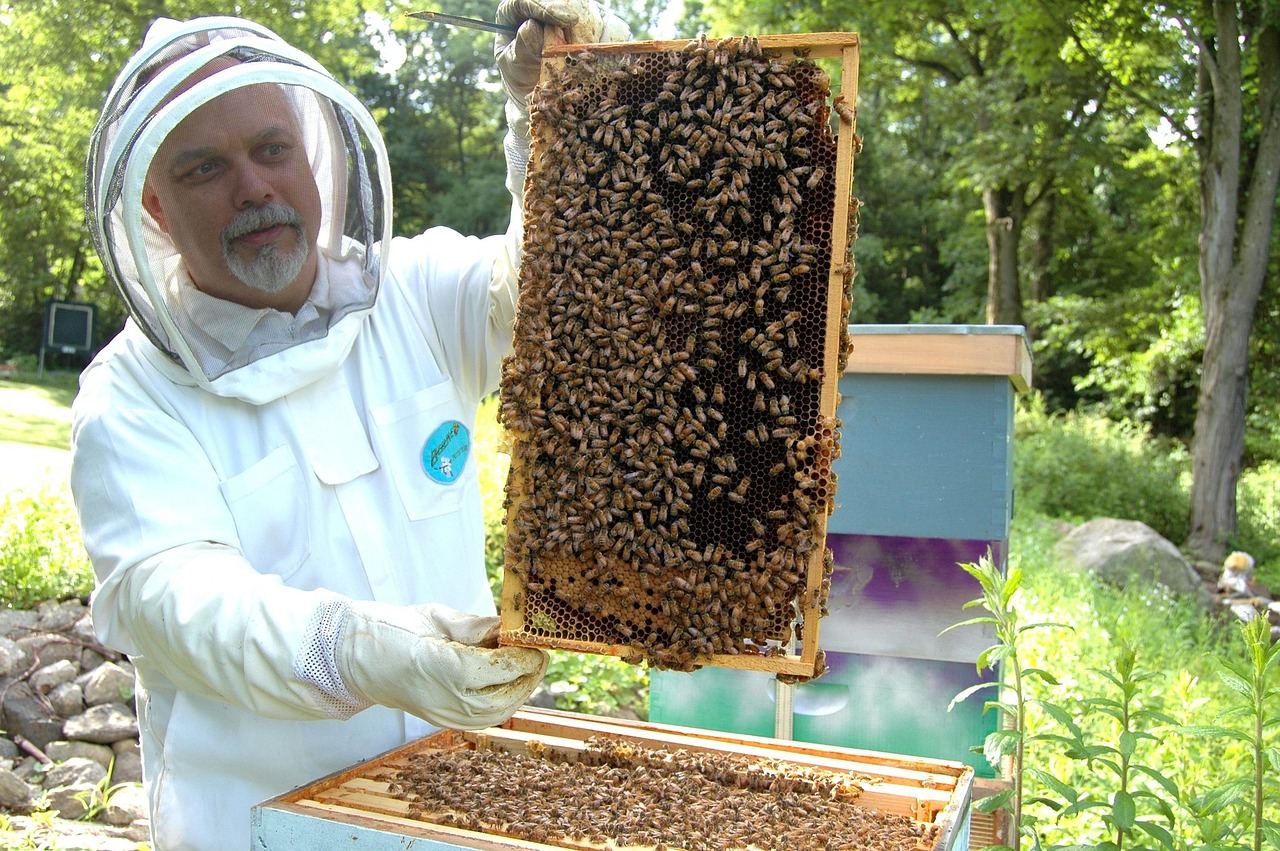
Beekeeping isn't just about honey; it's mastering the communication with a 50,000-organism superorganism and recognizing subtle cues in their behavior.
Getting started with beekeeping as a beginner involves maintaining live honeybee colonies – usually in wooden hive boxes – to produce honey, support pollination, or simply observe colony behavior.
You manage population health, prevent disease, and harvest when surplus exists.
Unlike gardening or farming, you're not cultivating a plant – you're negotiating with 60,000 largely autonomous insects.
In beekeeping, you perform hands-on hive management, including inspections of bee colonies, checking for queen presence and brood health, monitoring food stores, and harvesting honey. You wear protective gear, use smokers to calm bees, and handle hive frames carefully, ensuring you maintain colony health through regular maintenance and observation. This involves tasks like swapping frames, perfor…
Beekeeping fosters a flow state through immersive, skill-intensive tasks that require focus and precision, while also providing incremental skill feedback from the immediate responses of the hive. This engagement leads to a sense of accomplishment, as hobbyists experience tangible successes like sustainable honey harvests and hive survival, alongside social belonging through community connections…
You think beekeeping is about honey. A shelf full of amber jars, maybe a cool story at dinner parties – that's the whole picture in most people's heads.
That assumption is going to make your first season confusing.
Imagine chatting with bees. That's how a beekeeper in rural Vermont described her third year. By then, she could sense hive health just by standing at the entrance, no opening needed.
The real challenge isn't honey, it's mastering this communication. And it's deep enough to surprise even long-time beekeepers.
But do you need land and gear to begin? You might be surprised at what's actually essential.
At first glance, watching a beekeeper appears serene. Smooth hands, gentle smoke, bees moving like a slow current. Your first session won't match that.
Sweat forms under the veil faster than you'd expect. Your hands feel clumsy, the bees buzz louder up close, and the smoke goes everywhere except where it's needed. The gap between how beekeeping looks and how it feels in week one is the thing nobody warns you about.
The first few sessions, you'll freeze. A bee lands on your glove and you stop moving entirely, trying to read its intentions. That paralysis is just your nervous system catching up to what your brain already knows — you're safe.
By week two, finding the queen becomes the obsession. You'll scan frame after frame and come up empty. By week four, you'll drop a frame or accidentally crush a bee — and realize the hive just carries on. Beekeeping doesn't reward perfection; it rewards showing up and adjusting.
Before any of that, get the smoker right. Practice lighting it until it holds a burn for ten minutes without babysitting. A smoker that dies mid-inspection turns a calm hive into a problem in under a minute.
Week three is where the frustration peaks for most people. Push past it and the whole rhythm of an inspection starts to feel intuitive rather than improvised. The next section covers the mistakes that keep people stuck in that frustrating stretch far longer than necessary.
When to start: Early morning
Duration: 1.5 hours
Cost to try: $0
Success criteria: If you finished without being stung, do session 2.
New beekeepers often want to inspect everything. It's normal, but every inspection that interrupts your colony sets them back by about three days of work.
Beginners often assume everything's fine without checking for eggs. If you miss the signs, your colony can suffer a population crash you can't reverse.
At each inspection, look for eggs. They resemble tiny grains of rice standing upright.
Many beginners pack the smoker loosely, getting one good puff before it dies. This leaves you without smoke when you open the hive.
Varroa mites go unnoticed until they cause serious damage. By the time they're visible, your colony's winter survival is at risk.
Most beginners go for Langstroth hives by default. But different styles like top-bar or Flow hives fit various goals and abilities better.
Spend two hours researching maintenance differences before buying anything. A poor choice is costly and frustrating to reverse.
Beekeeping thrives in surprising places. Rural properties, backyard corners, and even community garden plots can support a hive.
Rooftop setups are popular in cities, often organized through local beekeeping collectives. It's an innovative way to bring bees to urban environments.
Mention that you're pre-hive and seeking mentorship. An experienced beekeeper can guide you through inspections, offering irreplaceable firsthand knowledge.
Clubs often coordinate bulk equipment orders and package bee purchases, reducing your start-up costs significantly.
Not all beekeeping looks like the white boxes in your neighbor\u2019s backyard. Here\u2019s what actually exists and who each one suits.
Standard stackable rectangular boxes with removable frames. Widely taught and accessible.
Best for anyone starting out with no strong reason to do otherwise. Startup cost runs $300–$500 for a basic setup.
Bees build natural comb hanging from bars rather than pre-formed frames with top-bar hive beekeeping. Less equipment manipulation, yielding lower honey quantities but prioritizing bee welfare over production
Good fit if you\u2019re philosophically drawn to minimal intervention.
Warr\u00e9 hives mimic hollow tree trunks. Adding boxes from the bottom and infrequent inspections are part of the design.
It\u2019s best for people who want bees without becoming full-time managers. The tradeoff is less visibility into colony health.
Flow hives combine Langstroth fundamentals with a built-in honey tap. Harvest without opening the hive.
Costs roughly double a standard Langstroth setup at $600–$800.
Urban or rooftop beekeeping involves smaller colonies, more neighbor management, and stricter regulations.
Best for city dwellers who\u2019ve confirmed it\u2019s legal where they live.
If you want a related angle, Seed Saving is the natural next stop.
Some of the same instincts show up in Animal Tracking — worth a look if this clicked.
Pier Fishing is a sibling pursuit and often surfaces the same kind of curiosity.
Frame reading is the skill that separates thriving hives from struggling ones.
Most beginners obsess over equipment – the right hive, the right suit, the right smoker. The real bottleneck is learning to read a frame before the bees tell you something's wrong.
Interpreting brood pattern, comb condition, and bee behavior in a quick scan is essential. It's not just about spotting eggs. It's understanding what capped brood, open cells, and bee clustering reveal about colony health.
The beekeeper who masters this skill sees trouble before it's obvious. Catching a failing queen early is the difference between a split and a dead hive. Reacting to crises means constant surprises — like a surprise test unstudied for.
Commit to four hive visits over 30 days. Plan for one visit each week, replicating a typical beekeeping routine and revealing changes in the hive's dynamics over time.
If you can't tear yourself away after each visit, it's more than just curiosity. It's genuine interest. Consider investing in your own equipment and find a local beekeeping group to join for the next season.
If you feel indifferent throughout, the physical act of beekeeping may not connect with you. Another month of hive work won't change that. The interest might be theoretical rather than practical.
If you find yourself counting down the minutes until you can leave, accept it as clarity. The environment, from the suit to the smoke, won't become more comfortable with time. Let this be your closure.
The undeniable sign you belong in beekeeping: you're noticing bees everywhere others don't, and watching swarm removal videos without any deliberate intention.
A severe venom allergy is in your household. Stings are part of beekeeping, especially at the start.
Living without accessible outdoor space presents challenges. Urban beekeeping requires community negotiation and possibly permits, adding real complexity.
A schedule with long gaps means neglect. Three weeks away during peak season could lead to a collapsing or aggressive colony. The bees won't adapt to your timeline.
Sometimes you just need something for the next ten minutes — that's what things to do when bored is for.
Initial setup typically costs $300–$800, including a hive, protective gear, basic tools, and a nucleus colony or package of bees. Ongoing costs are minimal—roughly $100–$200 annually for maintenance supplies and treatments. Your first honey harvest can offset expenses within 1–2 years.
Formal certification isn't required in most places, but taking a beginner beekeeping course (often offered by local beekeeping associations) is highly recommended. These courses cover essential knowledge about bee behavior, hive management, and safety in just a few weeks of classes or workshops.
Your first honey harvest typically happens 6–8 months after establishing your hive, usually in late summer or fall. A mature hive can produce 30–60 pounds of surplus honey annually, though first-year yields are often smaller as bees focus on building colony strength.
Stings are possible but rare if you follow proper safety practices and wear protective gear. Most bees are docile and only sting when threatened; aggressive behavior is uncommon with well-maintained, healthy colonies. Allergic reactions are serious but statistically very uncommon among beekeepers.
Yes, if local regulations permit—some cities and apartment complexes allow backyard hives in small spaces. A single hive requires just 3–4 square feet and can thrive on a balcony or small yard, though you'll need to check zoning laws and get neighbor approval first.
Active season (spring through fall) typically requires 30 minutes to 2 hours weekly for hive inspections, feeding, and basic maintenance. Winter management is minimal, making beekeeping manageable alongside other commitments—it's far less demanding than vegetable gardening.