BoredomBusted — Find Your Next Favorite Thing To Do
Discover hobbies, activities, places, and ideas that spark joy. Whether you're looking for something creative, active, social, or relaxing, BoredomBusted helps you find your next favorite thing to do.
Browse our hobby guides, things-to-do collections, and place ideas to never be bored again.
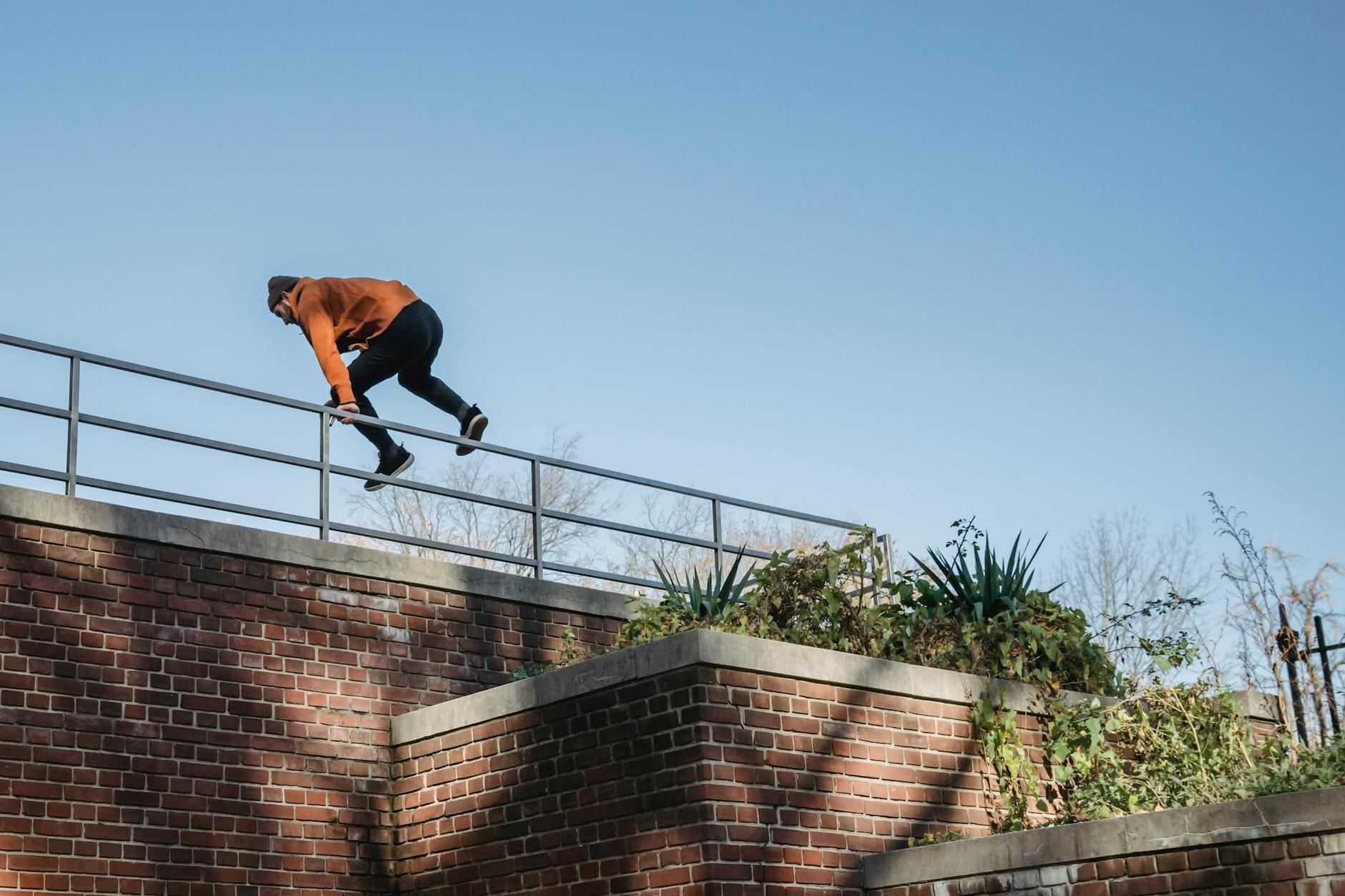
Parkour isn't just about wild stunts — it's a disciplined art of precise movement and mental agility, emphasizing flow over danger.
Getting started with parkour as a beginner is an exciting way to learn how to navigate urban spaces with speed and agility. It involves running, jumping, climbing, and vaulting over obstacles, transforming urban landscapes into dynamic playgrounds.
In parkour, practitioners, known as traceurs, navigate urban or natural obstacles using their bodyweight, performing explosive jumps, vaults, climbs, and ground-based crawls, such as executing kong-ups, precision jumps, and broad jumps to move efficiently from point A to point B.
Parkour induces a flow state through its high-skill demands and unpredictability, with immediate sensory feedback during movements like vaults and jumps reinforcing motivation, while social interactions during group sessions enhance belonging and creative expression through improvisation in movement.
You think parkour is all reckless stunts and dangerous leaps. You picture wild jumps and risky tricks, not controlled movements and safety.
The reality is that parkour is about precision and control. Practitioners known as traceurs focus on technique and adaptability.
Parkour is about more than just physical skills. It's about mental discipline — focus, problem-solving, creativity. You learn to interact with your environment efficiently, overcoming both physical and mental hurdles.
Stepping into your first parkour session feels both exciting and awkward. Those initial rolls and vaults look simple but catch you off guard with their complexity.
You'll spend more time on basic movements than you expect. Flat ground practice builds the muscle memory you need before tackling obstacles. Soreness shows up in muscles you didn't know you had.
The mental game is the real surprise. Even a small jump can feel daunting at first. But each try chips away at the fear, slowly building your confidence.
When to start: Morning
Duration: 1.5 hours
Cost to try: $0
Success criteria: If you land 10 controlled two-foot drops from a low obstacle and clear 5 low vaults without touching the obstacle, do session 2.
Jumping into advanced moves without mastering the fundamentals leads to trouble. Rolls, landings, and simple vaults prevent injuries and develop essential skills. Master the basics first to create a safer and stronger practice.
Your body must be ready for parkour's demands. Without strength and flexibility, you're vulnerable to injuries.
Enhance core stability, leg strength, and agility with targeted exercises.
The mind is as vital as the body in parkour. Skipping mental preparation leads to dangerous mistakes.
Build confidence by visualizing and mentally rehearsing moves before doing them.
Parkour's intensity requires adequate recovery time. When you go all out without breaks, exhaustion hits hard.
Schedule regular rest days and use recovery techniques like stretching and foam rolling.
Check out local parkour clubs in major cities for regular meet-ups and training sessions. These gatherings are excellent for meeting other enthusiasts and improving your skills together.
Facebook has active parkour groups where newbies are welcome. Members often share tips, tutorials, and encouragement.
Reddit is great for connecting with parkour fans all over the world. Visit subreddits dedicated to parkour to get advice from experienced practitioners.
Start by searching for parkour gyms nearby. These are hubs for community events and expert guidance.
Freerunning adds flips and spins for a creative flair. It's about style,
perfect for those seeking artistic movement.
Urban parkour transforms cityscapes into your playground. Navigate
concrete jungles with efficiency. Ideal for city dwellers who crave adaptability.
Embrace parkour in forests and mountains. The wild landscapes offer
unpredictable challenges, inviting those who favor nature over cities.
Top Rope Climbing lives in the same world — different mechanics, similar appeal.
Readers who enjoy this often gravitate toward Roller Skating next.
Readers who enjoy this often gravitate toward Road Running next.
The core of parkour mastery lies in spatial awareness and body control. It's your ability to sense your body's position and cleanly adapt.
Spatial awareness lets you tackle obstacles smoothly. It's about quick decisions and trusting your body's movements. Mastery comes through consistent practice.
Focus on exercises that boost proprioception, like balance drills and agility workouts. Develop this instinctive understanding, and you'll master parkour's fluid motions.
Try parkour for 30 days with four practice sessions. Focus on foundational moves and community engagement to see how you connect with it.
If you find yourself seeking out new obstacles to overcome before your current session ends, you ext{'}re in the groove. Start looking into local parkour meetups and consider documenting your progress through videos to share.
If each session leaves you unexcited and questioning your interest, take a different approach. Try focusing on specific skills, like balance or vaulting, for immediate satisfaction before making a decision.
If the idea of jumping off obstacles makes you more anxious than excited, parkour might not be your thing. It ext{'}s okay to prefer activities with less physical unpredictability.
Genuine interest shows when you're watching parkour videos late at night and imagining yourself in those moves.
Want broader ideas first? Our list of hobbies gives you the lay of the land.
When you don't want to commit, things to do when bored is a better starting point.
You only need comfortable, lightweight shoes with good grip and ankle support to begin parkour. As you progress, many practitioners invest in specialized parkour shoes, wrist guards, and knee pads to reduce injury risk during more advanced movements. Most training happens outdoors in urban environments, so minimal gear makes parkour an accessible activity to start.
Most beginners can master fundamental movements like vaults, precise landings, and basic wall runs within 3–6 months of consistent training (2–3 sessions per week). Progress depends on your fitness level, natural athleticism, and how frequently you practice, but building a solid foundation typically takes several months of dedication.
Parkour carries injury risk, but beginners can train safely by starting on low obstacles, learning proper landing techniques, and progressing gradually before attempting advanced moves. Training with experienced practitioners, warming up properly, and respecting your skill limits significantly reduces the danger of serious injuries.
You don't need to be exceptionally fit to begin, but basic cardiovascular endurance and functional strength in your legs, core, and upper body help you learn faster and stay injury-free. If you're completely sedentary, spending 2–4 weeks building general fitness beforehand makes the transition into parkour easier and more enjoyable.
Parkour can be practiced almost anywhere using existing structures—parks, playgrounds, stairs, walls, and low ledges all work for training. Many communities have dedicated parkour parks, but you can build skills using public spaces; just be mindful of local regulations and avoid trespassing on private property.
Starting parkour is very affordable—you only need quality shoes ($50–$100) and comfortable clothing you likely already own. Group classes run $10–$20 per session, private coaching costs $30–$100+ per hour, and specialized gear adds more expense, but beginners can train effectively with minimal investment by using free outdoor spaces and online tutorials.