BoredomBusted — Find Your Next Favorite Thing To Do
Discover hobbies, activities, places, and ideas that spark joy. Whether you're looking for something creative, active, social, or relaxing, BoredomBusted helps you find your next favorite thing to do.
Browse our hobby guides, things-to-do collections, and place ideas to never be bored again.
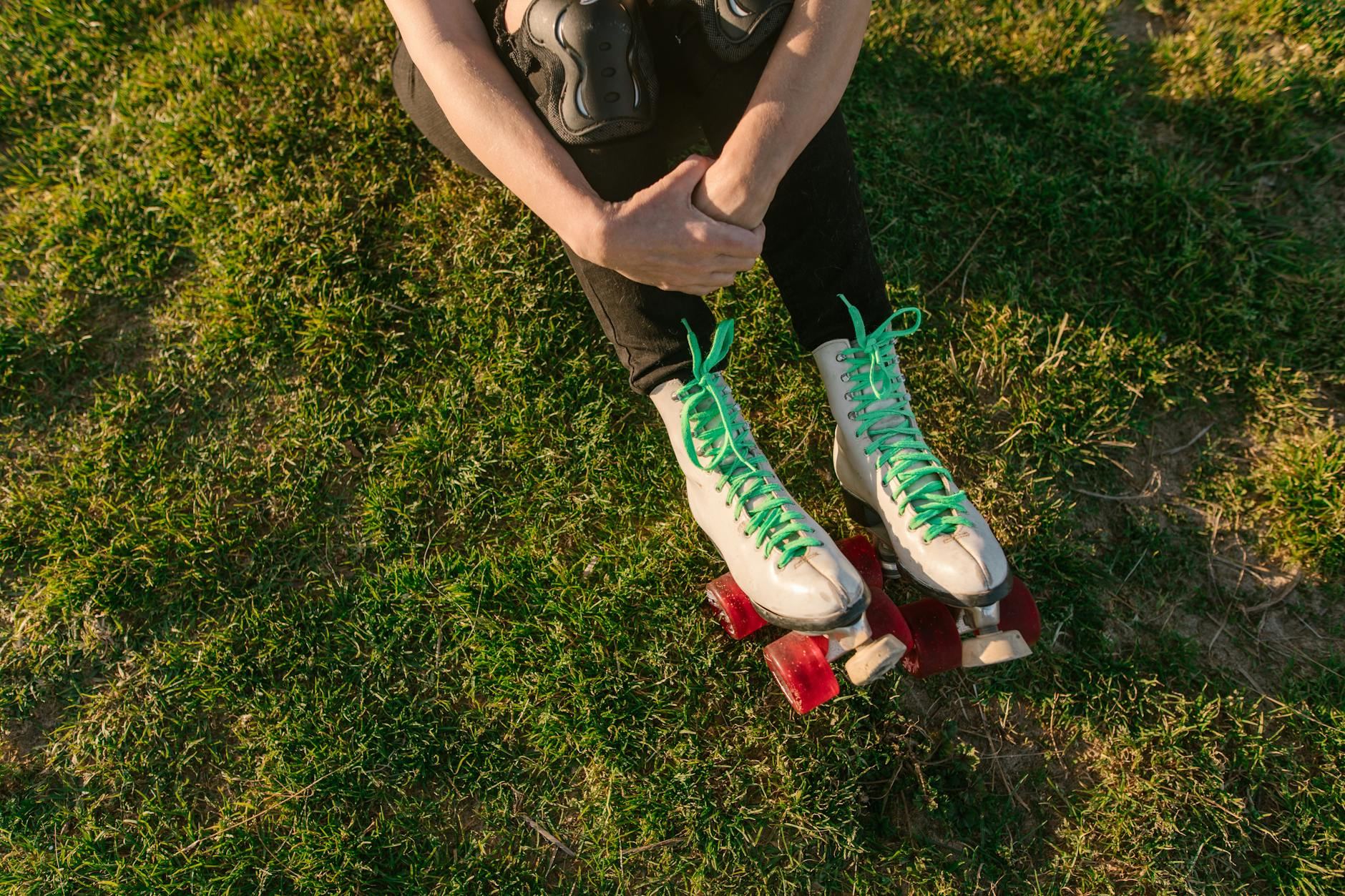
Roller skating is often seen as a kids' activity, but it's actually a fulfilling hobby for adults seeking fitness and community.
Learning roller skating as a beginner offers a fun way to get your heart pumping without the typical grind of traditional cardio workouts. You're working your legs, core, and balance — and you're too busy having a good time to notice.
It runs on wheels attached to boots or shoe frames. Speed, rhythm, and balance are all in play at once. That combination is why skaters tend to stick with it — it trains coordination in a way that gym workouts simply don't replicate.
You can skate at a rink, on a bike path, or in an empty parking lot. The barrier to entry is low — a decent pair of skates and a flat surface. What keeps people coming back isn't the convenience. It's the feeling — skating has a flow state that's genuinely hard to find in other hobbies.
Roller skating involves performing a variety of on-skate drills such as jumps, spins, and footwork exercises on smooth surfaces. Skaters practice techniques like the Axel jump, double/triple spins, one-foot glides, and crossovers, focusing on precision and fluidity. Off-skate conditioning, including plyometrics and flexibility stretches, complements these core movements to enhance overall perform…
Roller skating induces a flow state through escalating technical challenges that require total immersion, fostering immediate feedback loops from sensory cues that validate progress. This engagement builds a sense of accomplishment as skaters master complex skills and keeps routines fresh through creative improvisation, anchoring mental focus and reducing mental drift.
You think roller skating belongs in the area of childhood fun.
But adults all over the world are discovering its magic. Fitness enthusiasts, social butterflies, and competitive spirits all strap on skates. For them, it's a vibrant scene, a way to connect, and a delightful way to build strength.
Your focus might be on tricks and stunts because that's what the highlight reels show.
The real heart of roller skating? Embracing the glide and the breeze. Beginners often start with simple moves, relishing the experience and gradually improving at their own pace. It's about the joy of movement, not just the flashy spins.
This is just the start; let's find out where those skates can take you next.
Your first time on skates feels exactly like you'd expect — and nothing like you'd expect. Your ankles wobble. The floor feels slippery even when it isn't. Every small shift in weight sends a signal to your brain that something is wrong. Your body is spending enormous energy just standing still, and that's completely normal. Most beginners are surprised by how exhausting those first 20 minutes are before they've even tried to move.
Here's the part nobody warns you about: stopping is harder than moving. New skaters instinctively try to stand still when they feel out of control, which actually makes things worse. Learning to fall safely and brake deliberately are the two skills that separate a frustrating first session from a useful one. Until those clicks, everything else — crossovers, one-foot glides, any of it — stays out of reach.
Sessions two and three bring a different kind of frustration. You'll have moments where it clicks — a smooth glide, a clean stop — and then lose it completely on the next attempt. That inconsistency is the actual work. Roller skating builds balance through repetition, not through understanding — your muscles need the reps before your brain's instructions mean anything. Expect that gap between knowing and doing to stick around for a few weeks.
By the end of your early sessions, something shifts. The wobble quiets down. Pushing off starts to feel deliberate rather than desperate. That's the moment skating stops being an ordeal and starts being the hobby. Getting there faster comes down to avoiding a handful of mistakes that almost every beginner makes in those first few outings.
When to start: Morning
Duration: 1 hour
Cost to try: $10
Success criteria: if you finished without falling more than twice, do session 2.
Most beginners grab whatever skates look good or cost least and assume they'll figure the rest out. Then they wonder why skating feels awkward or exhausting. Recreational skates, rhythm skates, and aggressive skates are built for completely different things — the wrong boot will actively fight your progress.
Before you spend anything, skate a few sessions in rentals at a rink. Rent first, then buy once you know whether you're drawn to rink skating, outdoor cruising, or tricks. That single step saves you from a $150 mistake sitting in your closet.
Slow skaters fall just as hard as fast ones — sometimes harder, because they don't know how to fall safely yet. A wrist fracture in week one shuts the whole thing down. Wrist guards prevent the single most common roller skating injury for beginners. They're not optional.
Helmet, wrist guards, and knee pads are the minimum. Wear them every session until falling forward onto your palms becomes instinct. Learning to fall correctly is a real skill — gear buys you the time to actually develop it.
Crossovers look great on social media, so beginners rush straight to them. But a crossover is a balance problem stacked on top of a weight-transfer problem. If you can't hold a one-foot glide for three seconds on each side, crossovers will keep falling apart no matter how many times you try them.
Spend your first weeks on the fundamentals: two-foot glide, one-foot glide, and stopping confidently. Every advanced skill in skating is built on your ability to balance on a single skate. Nail that first and the rest follows faster than you'd expect.
Roller skating relies on muscle memory and balance calibration — two things that fade quickly with inconsistent practice. Beginners who skate once every two weeks feel like they're starting over each time. That frustration kills momentum fast. Two shorter sessions per week beats one long session every ten days every time.
Even 20 minutes on skates twice a week compounds into real skill over a month. Consistency is what creates the flow state that makes skating addictive — but you have to stay frequent enough to reach it.
Cracked pavement and gravel patches are brutal for beginners. Every bump interrupts your balance feedback loop, making it nearly impossible to tell whether you're improving or just surviving. Learning on a smooth surface — an indoor rink or a clean parking lot — lets you actually feel what good form is.
Once your balance and stopping are reliable, rough terrain becomes a manageable challenge. Before that, it just adds chaos. Find the smoothest surface you can access and stay there until the basics are locked in.
Reddit's r/rollerskating has over 100k members posting skate checks, progress videos, and gear advice daily. It's one of the fastest ways to get honest feedback on your form without showing up somewhere in person. Post a short clip and ask a specific question — you'll get real answers within hours.
Facebook Groups are still where a lot of local skate scenes live. Search "[your city] roller skating" or "[your city] skate park" and you'll find event threads, meetup announcements, and gear swaps. Instagram and TikTok hashtags like #rollerskating and #skatestyle surface active creators — but the comments sections are where real community forms.
Your local roller rink is the single best starting point. Most rinks host adult skate nights, jam sessions, or beginner lessons on a weekly schedule. Show up to one public skate session and you'll meet regulars who know every local group, trail, and event worth knowing about.
Meetup.com lists organized outdoor skate groups in most mid-to-large cities. Roller derby leagues — searchable through the Women's Flat Track Derby Association directory at wftda.com — often welcome recreational skaters to open scrimmage nights even if you have no interest in competitive play. Both options put you around skaters who are serious enough to show up consistently, which is exactly the kind of crowd that accelerates your progress.
Recreational skating is exactly what it sounds like — you lace up, find a smooth surface, and move. No routines to memorize, no competition pressure.
This is the entry point for most people, and it stays satisfying long after you've found your footing. If your goal is consistent exercise that doesn't feel like a chore, recreational skating is the one to start with.
Rink skating has its own culture — music, lighting, group sessions, and a crowd that ranges from total beginners to seasoned regulars.
The rink is where skating becomes a social hobby, not just a physical one. It suits people who want the energy of a shared space and a built-in community without joining a formal team or club.
Artistic and freestyle skating focus on deliberate skill-building — spins, jumps, crossovers, and footwork sequences. Progress here is measurable and addictive.
This path rewards people who like having a clear skill ladder to climb. Off-skate conditioning — plyometrics, flexibility work — becomes part of the routine once you commit to this side of the hobby.
Rhythm skating and jam skating are rooted in music — the movement responds to the beat, not a set routine. It blends skating with soul, funk, and hip-hop influences.
It's the best fit for people who already love dancing but want the added dimension of wheels under their feet. The improvisational nature keeps sessions creative and different every time.
Speed skating strips everything back to efficiency and power. Low stances, long strides, and tight cornering technique define the discipline.
This variant appeals to people who are driven by performance metrics — faster splits, cleaner technique, competitive results. It demands more structured training but delivers a serious cardio and lower-body workout.
Roller derby is a full-contact team sport with its own rules, roles, and culture. Blockers, jammers, and pivots each have distinct responsibilities on the track.
Derby is for people who want skating to be physically demanding, strategically complex, and deeply communal. Most leagues are beginner-friendly and actively recruit newcomers — you don't need prior skating experience to try out.
Road Running lives in the same world — different mechanics, similar appeal.
If the texture of this appeals to you, Mixed Martial Arts is built on similar bones.
Roller Sports is a sibling pursuit and often surfaces the same kind of curiosity.
The skill that separates skaters who keep improving from those who plateau is edge control — knowing exactly how your wheel contacts the surface at any given moment.
Every move in roller skating — crossovers, spins, one-foot glides, even stopping cleanly — is really just an edge problem in disguise. Beginners treat balance like a static thing, something you either have or don't. But balance on skates is dynamic — it's about shifting your weight deliberately onto inside or outside edges and trusting the result.
Once you feel the difference between a flat wheel and a committed edge, skating stops feeling like controlled falling. It starts feeling like steering. That's the mental shift. That's when the flow state the hobby is famous for actually becomes accessible.
The good news is that edges give you instant feedback. A clean edge feels smooth and connected. A missed edge feels unstable immediately — no guessing required. You don't need an instructor to tell you when you've got it right; the skate tells you.
That sensory feedback loop is exactly what makes skating so absorbing. Each lap becomes a small experiment. Progress stops being abstract and starts being something you feel in real time.
With that foundation in place, the next question is what to actually wear and skate on — because the gear you start with shapes how fast edge control develops.
Give it four sessions over two weeks — two at a rink, two outdoors on a smooth path. That spread is enough to feel the difference between surfaces and shake off the early awkwardness.
You finish a session and your legs are tired, but you're annoyed it's over. That irritation at stopping is the real signal — not how gracefully you skated. At this point, look into a beginner group skate or a local rhythm skating community. The skill curve gets sharper and more satisfying fast once you have people to learn alongside.
Indifference after four sessions usually means you haven't found your format yet. Recreational rink skating and outdoor rhythm skating feel like completely different hobbies. Before writing it off, swap the setting — if you've only skated indoors, take it outside, and vice versa. Music also changes everything; if you've been skating in silence, try it with headphones and a playlist that actually moves you.
If you were watching the clock and dreading the falls rather than laughing at them, that's a clear read. Skating rewards people who find something genuinely fun about wobbling toward control — not everyone does, and that's a legitimate outcome. Balance-based hobbies that tend to click for people who didn't take to skating include cycling, surfskating, or even stand-up paddleboarding — same core demand, very different feel underfoot.
If you catch yourself watching skate videos at midnight and instinctively sizing up every smooth floor you walk across, that involuntary mental cataloguing of skating surfaces is your brain already living the hobby — buy the better skates.
When you don't want to commit, things to do when bored is a better starting point.
Most beginners can learn basic balance and forward movement within 1–2 hours of practice. To skate confidently on flat ground and execute simple turns, expect 3–5 sessions of a few hours each. Advanced skills like backward skating or tricks take weeks to months of regular practice.
You'll need roller skates fitted to your shoe size, wrist guards, knee pads, and a helmet for safety. Many beginners prefer quad skates for stability or inline skates for speed—choose based on your comfort. All gear typically costs $100–$300 for quality beginner equipment.
Roller skating has a short learning curve if you have basic balance and coordination. Most people struggle with the first 30 minutes as their body adjusts to the skates, but progress comes quickly. If you can ride a bike or skateboard, you'll find it easier to pick up.
Yes, roller skating is an excellent cardio workout that burns 300–600 calories per hour depending on intensity. It strengthens your legs, core, and glutes while improving balance and coordination. Regular skating also builds endurance and is easier on joints than running.
Always wear a helmet, wrist guards, knee pads, and elbow pads to prevent injuries from falls. Start on smooth, flat surfaces away from traffic and obstacles, and avoid skating in wet conditions. Practice stopping techniques early and skate with others when possible.
Quality beginner skates range from $100–$200, while mid-range options are $200–$400. Professional or specialized skates can cost $400+, but beginners don't need premium gear. You'll also need safety equipment (another $50–$100), so budget $150–$250 to start.