BoredomBusted — Find Your Next Favorite Thing To Do
Discover hobbies, activities, places, and ideas that spark joy. Whether you're looking for something creative, active, social, or relaxing, BoredomBusted helps you find your next favorite thing to do.
Browse our hobby guides, things-to-do collections, and place ideas to never be bored again.
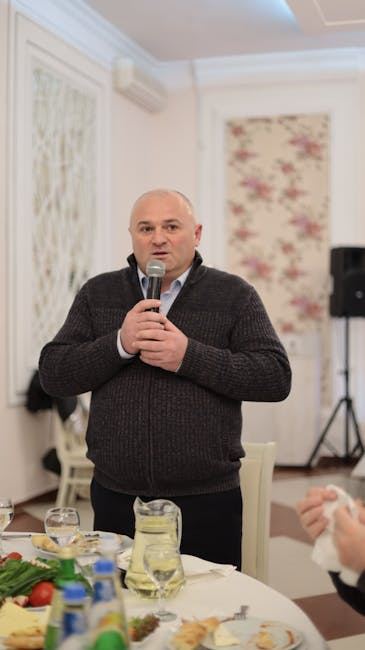
Public speaking creates flow not through rehearsed words, but by thriving on spontaneity and real-time feedback from the audience.
Getting started with public speaking as a beginner can be less daunting than it appears, opening doors to opportunities like open mic nights and Toastmasters clubs to TED-style events and competitive speech circuits.
Unlike debate or acting, the goal isn't to win or perform a character – it's to make your own ideas land with real people in real time.
In public speaking, you practice delivering speeches by engaging in activities like impromptu speaking, vocal modulation exercises, and storytelling with others, using prompts to spur creativity and focus on body language and articulation.
This hobby cultivates flow states through spontaneous challenges and rapid skill feedback loops, enhancing social belonging via group interactions and fostering a sense of accomplishment through mastering public speaking techniques.
You think public speaking is about not being nervous. Manage the fear, survive the talk, get through it. Most people believe if they just "get through it," they'll be fine.
It's a thinking skill, not a performance skill. Good speakers aren't just confident; they organize ideas under pressure. They don't rely on fake confidence.
The audience isn't your enemy. They're there for value, not to see you fail. This changes what you should focus on.
Nervousness isn't the enemy – vagueness is. Ramblers lose rooms, but even shaky speakers who know their core point keep attention.
Barack Obama bombed his first major speech. Not from nerves, but by losing himself in an over-prepared script.
The solution wasn't about building more confidence. It was about learning to think out loud in real time.
It's not about calming down. It's about clarity.
This is a skill you can actually start developing now. Understanding this difference makes all the change.
Watching a confident speaker captivate an audience seems effortless. Then you stand up, and your hands feel lost.
That gap—between observer and participant—is the whole ballgame in week one.
After a while, things change:
Your first talk ends, and you barely remember it. Your brain was busy managing panic.
A week later, you'll remember more and notice every mistake. That's progress, not regression.
By week three, you'll feel a fleeting moment of ease. Just seconds, but it counts.
Silence before speaking will still feel awkward in week four. Yet it stops feeling ominous.
Record your first talk as a reality check. Not to dissect every detail, but to see you're not as panicked as you felt.
The discrepancy between how you feel and how you appear is huge. People often quit based on feelings alone.
When to start: Early morning
Duration: 1 hour
Cost to try: $0
Success criteria: If you can deliver a 2-3 minute speech on one topic with a clear opening, 3 main points, and a recorded run-through, do session 2.
Under stress, your brain latches onto exact wording. Miss one word, and it all falls apart. Focus on memorizing your structure instead. Know the three main points and let the words flow naturally.
New speakers get fixated on their filler words and start monitoring themselves, which only increases the problem. Record one talk and count your fillers to raise awareness. Practice pausing silently instead of saying "um."
Reading your notes feels like preparation, but it's not enough. Your brain and voice need to work together. Rehearse standing up, out loud, in a real space. Aim for at least three full run-throughs before the live presentation.
Beginners often focus all their effort on content, neglecting the introduction. Craft your first three sentences patiently and rehearse until they're second nature.
It's either scanning the ceiling or fixating on one familiar face. Neither works well. Choose three people in different areas of the room and shift your attention between them. This strategy feels confident and keeps you grounded.
Public speaking happens anywhere people gather. Community centers, libraries, corporate meeting rooms, and Toastmasters clubs host most events.
Start where the pressure's low. Open mic nights and community theaters offer forgiving crowds for beginners.
Walk into a meeting as a guest. Let them know you're a first-time visitor and expect a structured guest experience. No pressure to speak on your first visit.
Participating in Toastmasters-style competitions involves structured public speaking with formal evaluations. Expect to be scored on delivery, language, and timing.
Perfect for beginners who need accountability and honest feedback from experienced speakers.
Improvisational speaking is about performing without a script, given a topic on the spot. Trust your instincts without relying on preparation.
Ideal for those who freeze with off-script scenarios and need to build confidence in real-time thinking.
Focus on narrative arc and emotional delivery more than information sharing in storytelling performance. Imagine engaging a crowd like at *The Moth*, not a board meeting.
Suited for those who can speak well but want to captivate an audience with emotion and presence.
Debating involves defending a position under pressure, sometimes one you didn't pick. It requires quick thinking beyond memorized speeches.
Great for analytical minds who need more than simple talk practice.
Podcast or audio-only speaking focuses purely on voice without audience or body language cues. It might sound easier, but it's not.
Perfect for introverts who want to strengthen their speaking abilities before facing a live audience.
A close neighbor worth considering: Cybersecurity.
If the texture of this appeals to you, Scripting and Automation is built on similar bones.
Another variant that pulls from the same roots is Speed Reading.
Most beginners obsess over their words for months. They memorize scripts, perfect phrasing, and rehearse until lines feel airtight.
The script isn't the problem. The audience is the variable you're not training for.
Real-time audience reading is the skill that matters. It's about noticing, mid-sentence, if the room is with you or losing interest, then adjusting on the fly. Confidence helps, but this is about scanning faces, registering energy shifts, and making micro-decisions without breaking your own flow. **Speed up, pause, drop a slide, or ask a question – all without losing your thread.
If you're not reading the room, you're giving a monologue. You hope the rehearsed version lands. With audience reading, every talk becomes a guided conversation. This skill turns your delivery into something audiences call "natural" or "magnetic," even if they don't know why. Without it, speeches can feel technically sound but oddly lifeless.
Next, how to develop this key skill effectively.
Commit to 4 sessions over 30 days, roughly one per week. Public speaking improves through repeated exposure. A single attempt won't reveal much, but four will show whether discomfort diminishes as you practice.
You can't learn public speaking by reading tips or watching videos alone. You need to speak in front of real people. Join a Toastmasters meeting, find a practice group, or record a talk and share it with someone for feedback.
If you want to return for more, you've caught the bug. The nerves became fuel instead of barriers. You're ready for the next step: enroll in a structured program and plan a real talk within 60 days.
If you felt indifferent, you showed up but weren't moved. This could mean you haven't experienced genuine connection yet. Try four more sessions with a topic you're passionate about.
If you didn't want to be there, that's a clear signal. It's not about nerves or discomfort; it's lack of interest in the process itself. This isn't a flaw, just clarity that public speaking isn't your path.
The telltale sign of genuine interest: if you find yourself critiquing others' speeches or rewriting them in your head, that's the instinct of a speaker in the making. That's the spark that keeps people engaged.
Looking for something different? The hobbies list is the easiest way to scan what else is on the table.
For quicker fixes, see our roundup of things to do when you're bored.
Most people see noticeable improvement in 4–8 weeks with consistent practice, though building true confidence typically takes 3–6 months. The timeline depends on your starting point and how often you practice—regular speaking opportunities accelerate progress significantly.
Join a structured group like Toastmasters, take an online course, or practice with friends in low-pressure settings first. Starting small with prepared talks in familiar environments helps you build fundamentals before tackling larger audiences.
No—public speaking is a skill that anyone can develop, regardless of natural ability. Nervousness and lack of experience are common; improvement comes from practice, feedback, and learning proven techniques, not innate talent.
Options range from free (YouTube, practice groups) to $100–300 for courses or Toastmasters membership, or $1,000+ for professional coaching. Many effective resources are affordable or free—you don't need expensive training to see real results.
You'll likely feel nervous, speak faster than intended, and forget minor points—this happens to most speakers. Focus on delivering your core message clearly; audience nervousness is invisible to listeners, and imperfection is normal and acceptable.
Yes, stage fright diminishes significantly with practice and exposure—each speech gets easier. Techniques like deep breathing, preparation, and reframing nervousness as excitement all help manage anxiety over time.