BoredomBusted — Find Your Next Favorite Thing To Do
Discover hobbies, activities, places, and ideas that spark joy. Whether you're looking for something creative, active, social, or relaxing, BoredomBusted helps you find your next favorite thing to do.
Browse our hobby guides, things-to-do collections, and place ideas to never be bored again.
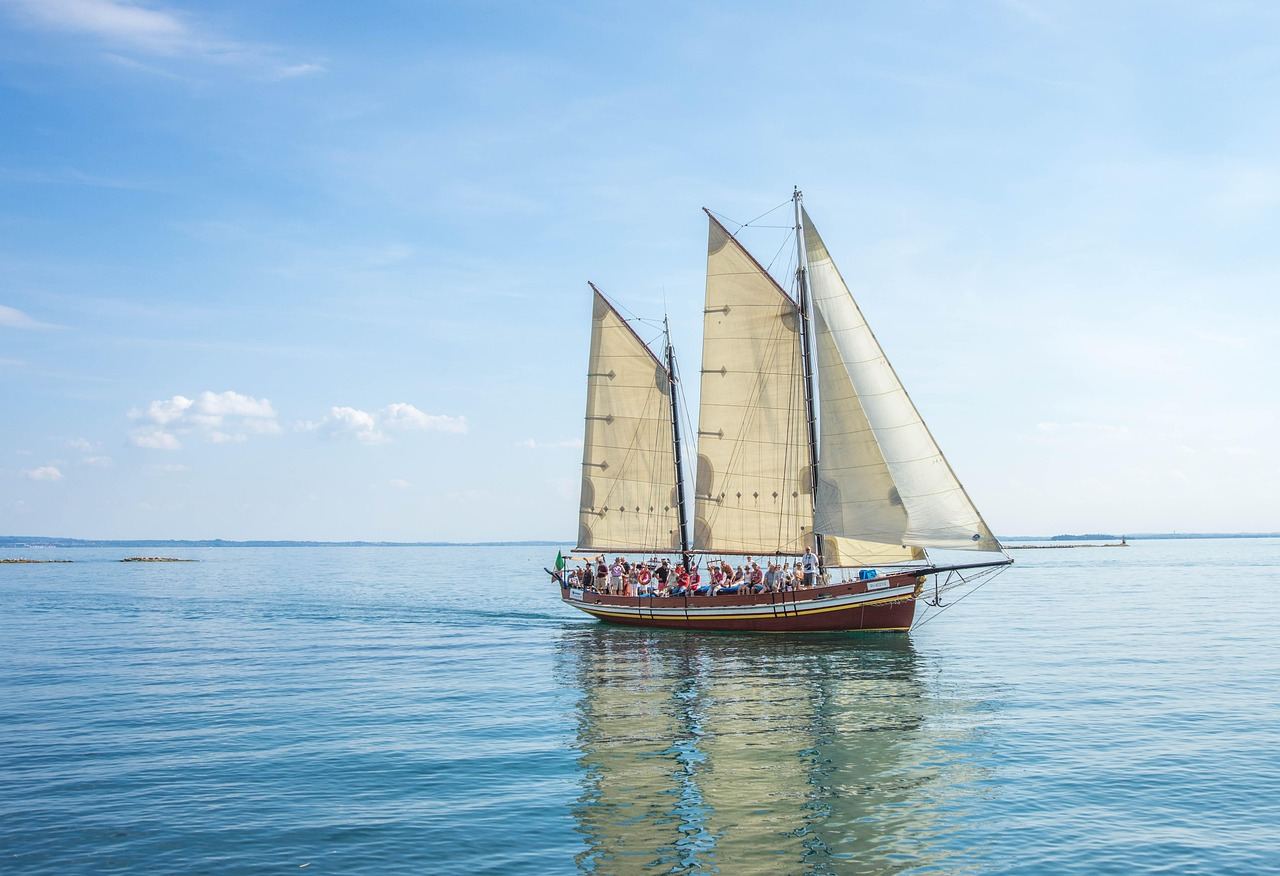
Sailing isn't just about the wind — it's the instant feedback loop of skill mastery that hooks you and builds camaraderie on the water.
Getting started with sailing as a beginner involves understanding how to harness the wind in your sails to navigate the waters effectively – you control direction by adjusting the sail angle and a underwater fin called a rudder.
Unlike motorboating, you're negotiating with the environment, not overpowering it, which is what makes the skill ceiling genuinely endless.
In sailing, you engage in hands-on activities such as trimming sails to catch wind, steering the boat while assessing wind direction and motion, and adjusting lines during maneuvers like tacking or jibing, all while balancing on a moving deck and managing equipment like anchors.
Sailing induces a flow state through its constant physical and mental demands, providing immediate skill feedback that keeps you engaged, fosters social belonging among crew and competitors, and offers a sense of accomplishment as you master the unpredictable elements of wind and water.
You think sailing is a rich person's hobby. Boats, marinas, nautical lingo – the whole thing feels like a club you weren't invited to.
That assumption is costing you one of the most genuinely skill-based hobbies available to a normal person.
A friend of mine did a two-day RYA course on a whim, mentioned it at work, and was crewing on a 38-footer the following Saturday – no experience beyond those two days, no gear, no money exchanged.
The next question isn't whether you can afford this. It's whether you'd rather keep assuming you can't.
Sailing appears smooth, sails full, and graceful skimming over water.
In reality, your first session will be the opposite.
Your first hour feels like riding chaos. The wind seems random, ropes just tangle, and the boat seems to have its own agenda. You're more passenger than sailor.
The boat is a whirl of confusion, and your hands flail for the right lines. What you do doesn't produce the outcomes you'd planned.
This is not failure. This chaotic stage is when real learning begins for those who persevere.
Watch out for the boom. It swings sharply during a tack, and it's easy to misjudge. Duck early to avoid unexpected hits.
Next, let's focus on common mistakes and how to sidestep them.
When to start: Early morning
Duration: 2 hours
Cost to try: $0 - $50
Success criteria: If you can tack once, trim the sails on cue, and return to the dock with the boat still under control, do session 2.
New sailors focus on ropes and sail shape without recognizing wind direction first.
Learn to read the wind before trying adjustments.
Observe telltales, flags, and water texture in your early sessions.
Your hands mimic car steering, causing exhaustion and imbalance.
Use body weight and sail trim for primary steering.
Keep tiller movements minimal and for small adjustments only.
A calm gybe seems simple, but skipping preparation leads to chaos.
Control the mainsheet manually as you gybe.
Move the boom gradually, hand over hand.
Lessons emphasize light winds, but this fails on gusty days.
Reef the mainsail before heading out if gusts go over 15 knots.
You skip knot practice until you're clumsy at the docks.
Master these five knots to handle most sailing situations:
Cleat hitch
Bowline
Clove hitch
Round turn and two half hitches
Figure-eight stopper
Sailing thrives on open water, from lakes to coastal inlets. Clubs and marinas are your gateways. Some cities even have community sailing centers that offer beginner-friendly programs.
Simply ask, "I'm a complete beginner – do you run any intro programs or need crew?" This shows eagerness and gets you on the water as crew before you own any gear.
A dinghy is a small, single-hull boat with no cabin. It's just you, the wind, and the open water. The most physical and immediate form of sailing.
You'll make mistakes and capsize, but that's exactly the point. Beginners learn faster because these errors are recoverable.
Dingies cost $500–$3,000 used, with options like Lasers or Sunfish.
Keelboats have larger, weighted hulls that resist capsizing, offering a stable experience. Perfect for social sailing with friends or family without constant physical effort.
Try bareboat charters before buying, with costs starting at $10,000 used.
Catamarans have two hulls, delivering speed and stability. Ideal for those chasing performance without full technical complexity.
They're harder to right if flipped, so consider this before you're dazzled by their sleek look.
Offshore sailing is for adventurers seeking multi-day or ocean crossings.
Not for beginners, but crucial if circumnavigation is your goal. Safety and self-sufficiency step up significantly from coastal sailing.
Racing involves the same boats but demands a competitive edge. You're optimizing sail trim, tactics, and teamwork against others.
Best for sailors wanting to refine skills through competition.
Another variant that pulls from the same roots is Dinghy Sailing.
If this resonates, Skeet Shooting explores a similar direction.
For something adjacent, see Puzzle Hunts.
The one skill that makes sailing click is about reading the wind on the water – not the sail itself.
The real plateau is almost always about seeing pressure on the water before it hits you.
Wind doesn't arrive invisibly – it shows up as dark patches, ripples, and subtle texture changes on the surface, seconds before your boat feels it.
Learning to scan ahead for those signals – and adjusting your angle or trim before the gust reaches you – is what separates reactive sailors from sailors who look effortless.
When you can see wind coming, you stop getting knocked around and start using it – heading up into gusts, bearing away in lulls, keeping the boat powered and balanced.
Without this skill, you're always a step behind, constantly correcting instead of anticipating.
Boat speed, comfort, and safety all hinge on the same thing: what you noticed ten seconds ago.
Commit to four sessions over 30 days. Spread them out enough to absorb each experience without rushing the learning curve.
If you're constantly thinking ahead to your next sail, you're feeling the true pull. It's more than just surface-level enjoyment; you're spotting wind directions in unexpected places, imagining the boat's response. That's a clear sign to explore more. Look into joining a club or taking an introductory keelboat course.
Feeling neutral means it's not resonating yet. It might be about control. Try taking charge of the helm more actively. Sometimes indifference fades when you're more engaged with direct action.
If the whole experience was uncomfortable and unappealing, take that as a signal. Not all enjoy the raw exposure and unpredictability of sailing. Accept this insight and explore smoother water options.
You're researching sailing techniques at odd hours without prompt. That curious pull to understand a sailor's mindset is your strongest indication of a real connection.
Most people can learn basic sailing skills in 1–2 weeks of regular lessons, typically 5–10 hours of instruction. Becoming comfortable and independent usually takes 3–6 months of practice, while mastering advanced techniques and racing skills requires 1–2 years of dedicated experience.
You'll need a life jacket, comfortable water-appropriate clothing, and access to a boat—most beginners start with lessons at a sailing school or club where boats are provided. Many locations offer rental options, so you don't need to own a boat right away while you're learning.
Beginner lessons typically cost $100–$300 per session or $500–$1,500 for a multi-week course. If you decide to buy your own boat, prices range from $2,000–$10,000+ for used recreational sailboats, though renting or joining a sailing club is more affordable initially.
Sailing has a manageable learning curve—basic concepts like trim and steering are intuitive, though understanding wind patterns and technique takes practice. Most beginners find it challenging but rewarding, and instructors break skills into manageable steps that build confidence quickly.
Light to moderate winds (8–12 knots) with calm, clear conditions are ideal for beginners. Instructors typically avoid strong winds, heavy seas, or storms to keep lessons safe and focus on fundamentals rather than struggling with difficult conditions.
Most sailing schools recommend completing certification before sailing independently for safety reasons. Once you've finished beginner certification (usually after 10–20 hours of instruction), you can sail solo, though many sailors prefer to practice with experienced partners first.