BoredomBusted — Find Your Next Favorite Thing To Do
Discover hobbies, activities, places, and ideas that spark joy. Whether you're looking for something creative, active, social, or relaxing, BoredomBusted helps you find your next favorite thing to do.
Browse our hobby guides, things-to-do collections, and place ideas to never be bored again.
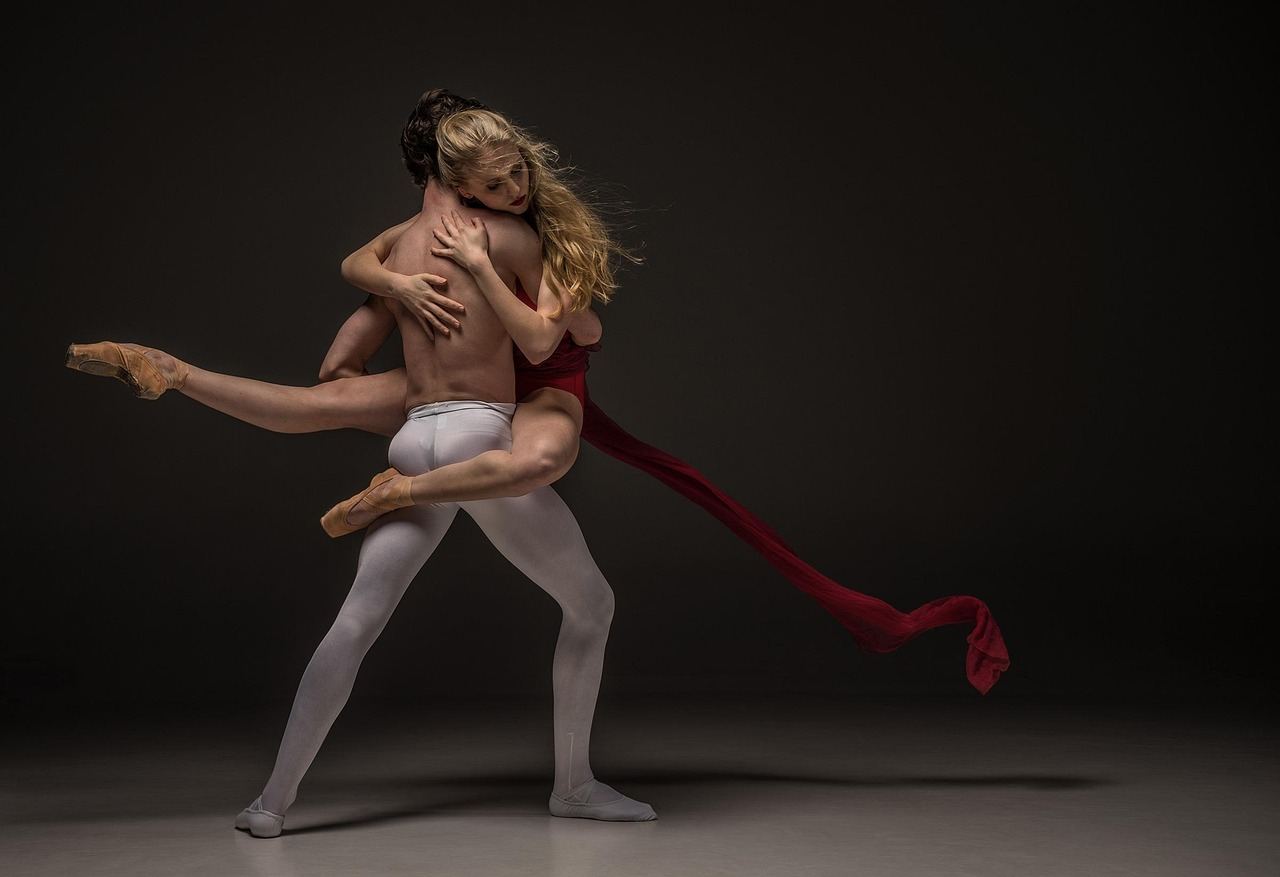
Contemporary dance isn’t about free-flowing expression; it’s a rigorous physical discipline that demands strength and problem-solving under structured constraints.
Learning contemporary dance as a beginner opens the door to a unique movement practice that blends ballet foundations, modern technique, and improvisation into something deliberately personal and hard to categorize.
Unlike ballet or jazz, there's no fixed vocabulary you're graded against – the goal is expressive authenticity, not technical replication.
It's structured enough to teach, open enough to make entirely yours.
In contemporary dance, you engage in fluid movement exploration through solo sessions, starting with a warmup of head rolls and pliés, followed by improvisational floorwork and dynamic phrases that express rhythm and emotion. You practice transitions like lunges and controlled falls, all while responding to music, culminating in a cooldown for tension release.
Contemporary dance induces a flow state with rhythmic phrasing that balances skill and challenge, allowing you to lose track of time while mastering movements. The immediate kinesthetic feedback from your body fosters confidence and a sense of accomplishment as you explore creative expression and novel movement variations.
You probably think contemporary dance is for dreamers waving their arms dramatically on stage.
That assumption holds you back from a hobby that reshapes your discipline and strength.
Imagine someone who played college soccer, left the sport for a decade, and joins a beginner's contemporary dance class expecting an easy stretch.
By the third week, they ache in muscles they forgot existed. Not because dance is harder, but because true control is demanding—moving slowly with purpose requires more strength than hurried actions ever did.
Every class is like this. It's why people either drop out quickly or fall in love with the challenge.
Next, let's see why some find this depth captivating.
Diving into contemporary dance feels like cracking a code you almost understand. Emotion springs out of the movements, yet your own body insists on a language it barely knows.
Every step feels like a translation rather than a conversation, as if your body is learning a wider range of expressions for the first time.
Your feet fumble, hips resist, and floor work feels more like controlled falling. Holding your breath becomes second nature in class, until one sequence suddenly clicks.
The sensation of grounding finally seeps into your muscles as you purposefully fall and breathe through movement.
Your first week is all observation, timing mismatches, and transition delays. By the second week, floor work starts testing your wrists, lasting reminders of newfound movement. A single phrase in warm-up will finally click around week three, enough of a win to lure you back. In week four, moments of choice infiltrate your routine, the true essence of this dance form.
Exhaling becomes a release command in contemporary dance, not just a breath. "Melt" or "let go" signals during the out-breath mean to physically release tension — it's literal technique, not mere metaphor.
It's not about inadequacy; it's about shedding ingrained notions of "correct posture." Your nervous system has to unlearn to learn, a journey with no shortcuts. Next, explore the mistakes that often sidetrack new dancers.
When to start: Morning
Duration: 1 hour
Cost to try: $0
Success criteria: If you can improvise a 1-minute sequence with 3 clear level changes, one floor move, and one sharp-to-fluid transition, do session 2.
Many beginners think effort means tension. But contemporary dance requires you to embrace the opposite.
Release instead of pushing. Let your shoulders drop, knees soften, and torso fall. Use gravity to guide, not brute force.
Counting feels safe but keeps you stuck in your head. To move fluidly, your body must lead.
Humming the melody helps. Try practicing one 8-count without numbers. Let the rhythm breathe through you.
New dancers often see the floor as something to avoid. Mistake that for embracing a critical dimension.
Spend ten minutes each session exploring floor work. Roll, slide, and transfer your weight until touching the ground feels instinctive.
Beginners copy visible shapes without tracing their roots. But real movement begins deeper.
Identify the initiation point first. Does it start from the spine, pelvis, or breath? This understanding is key.
Stopping cold between phrases makes dance look like disconnected poses. In dance, transitions matter more than endpoints.
Extend your movement beyond the last count. Practice carrying through for two beats. It trains fluidity, not just completion.
Contemporary dance shows up unexpectedly. You'll find it in dance studios, community centers, and university spaces. Surprisingly, it also thrives in rented warehouse rehearsal rooms that stay off maps until someone shares the secret location.
Once you're there, start with: "I'm new to contemporary specifically – what should I know before class starts?" This hints you're not new to movement but are exploring this genre. A helpful teacher will advise on exercise modifications and floor work details (like whether to bring knee pads).
Contact improvisation is about exploring weight, momentum, and physical touch with others on the fly. Perfect if you thrive on spontaneous collaboration. Expect close physical contact right away.
Somatic movement prioritizes the feel of movement rather than its appearance. Practices like Body-Mind Centering and Feldenkrais integrate into dance here. It's the quiet path into contemporary dance and sustains those seeking a less pressured environment.
Floorwork-heavy contemporary focuses on rolling and sliding near the ground. Great for those with an interest in martial arts looking to incorporate dance. Consider knee pads for this genre.
Contemporary-jazz fusion combines contemporary dance with a commercial edge. Ideal for those wanting clear progress in a dance environment with musicality over abstraction. When unsure where to start, this engaging style is a safe bet.
Dance theater, or Tanztheater, blends movement with narrative through gesture and storytelling. Pina Bausch made it famous, focusing on emotional depth over physical prowess. Suits actors or writers who use movement, not just traditional dancers.
If the texture of this appeals to you, Folk Dance is built on similar bones.
Hip-Hop Dance lives in the same world — different mechanics, similar appeal.
Mastering movement isn't about perfect shapes or hitting lines.
The real skill is kinetic phrasing – controlling energy through a sequence. It's about deciding when to speed up, slow down, or hold still. You choose when energy builds, releases, or pauses.
Nailing this skill makes you more than technically correct.
Kinetic phrasing turns stillness into tension and movement into meaning. Choreographers see its depth. Audiences feel its presence.
Eight sessions spaced over 30 days. Aim for two per week to move past the awkward phase and feel the true rhythm of contemporary dance.
Commit to all eight sessions. Continuity is key to understanding contemporary's appeal.
If you find yourself eager for the next class, pay attention to why. Contemporary dance often hooks people with elements like improvisation, problem-solving, or the freedom of movement. Embrace that pull and find a studio where you can commit to a full term with a consistent teacher.
If the sessions were just 'okay,' the entry point might have been off. Explore different formats – try a new teacher or class emphasizing somatic work or floorwork. Extend your experiment with four more sessions before deciding.
Dreaded each class? That's a clear signal. Some people feel too vulnerable in contemporary dance. It's not about nerves; it's about genuine discomfort. If it's dread every time, this isn't for you.
The real sign you're meant for this? You're watching dance performances, noting how dancers handle weight and momentum. This curiosity means your mind is aligning with contemporary thinking.
Contemporary Dance is a deeper commitment than most boredom cures — for lighter options, check things to do when bored.
Contemporary dance blends techniques from ballet, jazz, and modern dance, but prioritizes personal expression and emotional storytelling over rigid technique. It encourages dancers to explore movement in response to social themes and individual interpretation, making it more flexible and experimental than traditional styles.
No, you don't need any previous experience to begin contemporary dance. Most beginner classes welcome students of all levels and focus on teaching foundational movement vocabulary and body awareness from the ground up.
Most dancers notice improvements in flexibility, body control, and confidence within 4–8 weeks of regular classes. Significant progress in technique and artistic expression typically develops over several months with consistent practice.
You'll need comfortable, loose-fitting clothing that allows freedom of movement, and bare feet or dance socks. Most studios provide the rest—just bring water and an open mind to explore movement in your own way.
Yes, contemporary dance is an excellent full-body workout that builds strength, flexibility, and cardiovascular endurance. It engages your core, legs, and arms while also providing stress relief and creative expression benefits.
Costs vary widely depending on location and studio, typically ranging from $10–20 per drop-in class to $60–150 per month for unlimited classes. Many studios offer introductory discounts or free trial classes for beginners.