BoredomBusted — Find Your Next Favorite Thing To Do
Discover hobbies, activities, places, and ideas that spark joy. Whether you're looking for something creative, active, social, or relaxing, BoredomBusted helps you find your next favorite thing to do.
Browse our hobby guides, things-to-do collections, and place ideas to never be bored again.
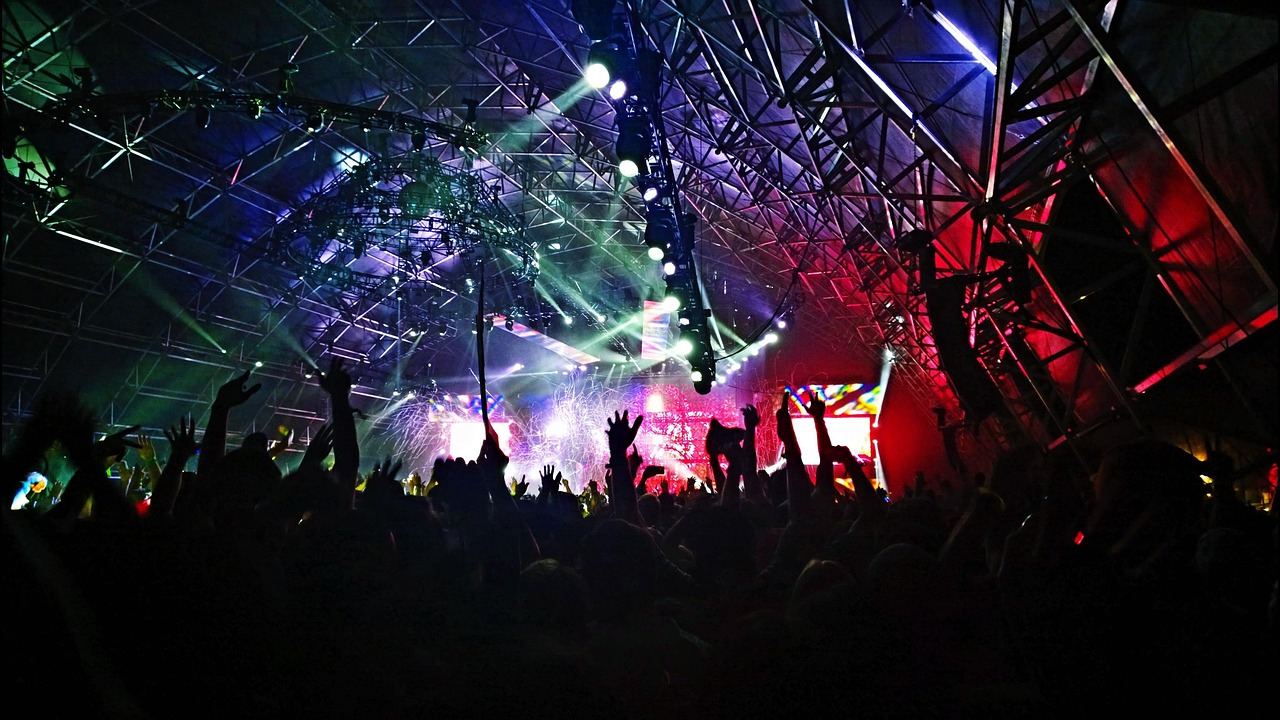
Dance is less about performance and more about rediscovering your body's natural coordination — and the embarrassment fades fast, turning into an addictive rhythm.
Learning dance as a beginner involves expressing yourself through rhythmic movement to music or even silence, focusing on intentional shape and timing.
Unlike fitness classes, dance builds a physical vocabulary you can actually use: the goal isn't just burning calories, it's making something that didn't exist before you moved.
In dance, hobbyists engage in solitary or small-group sessions where they perform repetitive physical movements to enhance body control, strength, and fluidity, focusing on techniques like core activation and breath coordination. They explore their bodies through improvisational movements or structured sequences, often using mirrors or videos for self-correction, and express themselves through va…
Dance induces a flow state through the intricate coordination of rhythm and muscle control, allowing participants to immerse themselves in the challenge of movement. Immediate tactile feedback from body awareness fosters skill refinement and dopamine rewards, while creative expression channels emotions into movement, and social interactions provide a sense of belonging and connection, combating f…
You think dance is for people who already know how to move. You picture a studio full of coordinated strangers, and you – the person who shuffles awkwardly at weddings – don't belong there. That assumption is exactly why most people never start, and exactly why it's wrong.
Most beginners treat dance as a performance, thinking of it as an unattainable skill. But dance is fundamentally about coordination, a system your body already uses every time you walk, catch something, or parallel park.
The embarrassment you're bracing for is real, but it peaks at minute ten of lesson one. Then it starts becoming the reason you come back. Dance builds a unique skill: the ability to listen to music with your body, not just your ears. This sounds abstract until you feel it click for the first time.
Here's how fast progress can happen: A woman in her late forties started salsa classes after a divorce. Convinced she'd be the worst dancer, she struggled – for about two weeks. By week six,
she was staying late to practice.
Not because she became graceful overnight, but because progress in dance is fast enough to feel, and that feeling is genuinely addictive.
The real question isn't whether you can dance. It's which style actually fits how you want to move – and that's where most people waste their first three months by guessing wrong.
Watching a dancer makes it look like their body knows exactly what to do. Your body does not. Instead of fluid movement, you'll find yourself focusing on counting out loud and watching your feet – trying to make sense of where everything goes.
Your hips won't move on beat and your arms might flail awkwardly at first. Every step won't land clean, making you feel like a very determined rectangle instead of a dancer.
Muscle memory isn't immediate. Week one is all about getting a sense of where your weight truly is. In the second week, footwork starts making sense on its own, but music throws you off. By the third week, you'll accidentally nail a sequence, just once. This fleeting success is how learning feels; it's the promise of more to come.
In week four, muscle memory creeps in on the moves you've repeated most. It's subtle, yet promising. Remember to count out loud. Most beginners go silent, but vocalizing gives rhythm an anchor. While your brain catches up, your body learns.
A session will come, around the second week, where everything will seem to collapse. Steps vanish, timing falls apart, and frustration creeps in. This is not a failure; it's your nervous system rewiring. Push through this, and true progress lies ahead.
When to start: Morning
Duration: 1-2 hours
Cost to try: $0
Success criteria: If you can move through 30 minutes of improvised steps and end with a repeatable 8-count sequence on beat, do session 2.
Facing your teacher means their right side becomes your left. This scrambling of directions can confuse your brain as you try to learn combinations.
Ask your instructor to call directions verbally rather than relying solely on visual mirroring until you internalize the patterns.
Counting is necessary at first, but it shifts your focus from music to numbers, two very different cues.
Choose a song you're practicing and mute your count on every third repetition so you naturally find the beat.
Wide shots feel complete but make it hard to spot footwork mistakes. Details matter more than the big picture at this stage.
Film one body part at a time—like your feet or arms—to pinpoint what's not working.
Executing moves at full speed feels satisfying but often hides errors. Mistakes get embedded with perfect speed.
Drop to half speed without music—slow accuracy over quick repetition catches errors.
While basics are essential, they're also a comfortable hideaway from the challenge of choreography. Delaying makes progression harder.
Set a deadline—choose a short routine and aim to perform it, flaws and all, by the end of week two.
Dance thrives everywhere. Studios offer structured environments. Community centers and school gyms provide flexibility and are less formal. Dedicated performance spaces give a stage to shine.
Start with Google Maps to find "[style dance classes near me." Look for top-rated options with drop-in sessions – no strings attached.
Walk in with confidence and ask, "I'm a complete beginner, what do you recommend I start with?" Studios often have beginner-friendly options and may offer discounts for your first session.
Ballet forms the backbone of many other dance styles. Think posture, turnout, and body awareness. It's rigorous and incredibly disciplined. Perfect for those seeking long-term dedication over quick wins.
Expect to invest in ballet slippers ($20–$50) early on.
Hip-hop is loose, rhythmic, and forgiving. You can start casually, even in sneakers. Great for beginners reluctant to perform under scrutiny. No special gear needed. YouTube tutorials are a good starting point.
Salsa combines footwork with partner interaction. Ideal for those seeking a social outlet. Most cities have weekly socials where you can practice with strangers. Leather-soled shoes help ($30–$60), but they aren't mandatory at first.
Contemporary dance merges ballet, jazz, and modern influences. It's expressive and less rigid than classic styles. Perfect for those drawn to expression over strict rules. Bare feet are common, keeping costs low.
Swing, including Lindy Hop and East Coast, combines light-hearted interaction with dance. The community is welcoming and enthusiastic. Great for those wanting a dance that's also a social scene. Smooth-soled shoes are key; swing shoes cost $60–$100, but leather-soled dress shoes work as well.
Tap Dance lives in the same world — different mechanics, similar appeal.
Another variant that pulls from the same roots is Hip-Hop Dance.
If you want a related angle, Swing Dance is the natural next stop.
Most beginners focus too much on learning steps. Arms here, feet there, count to eight and repeat.
The actual challenge is timing.
Musicality is the true skill needed. It's about hearing the beat's structure before you move. Not just stepping on the beat, but recognizing where phrases begin and end. This way, your body syncs with moments instead of rushing to catch them.
Musicality transforms your moves. It looks like the music is guiding you effortlessly.
Dancers who grasp this early stop counting and start enjoying. Those who don't are stuck counting years into their journey.
Eight sessions in 30 days, or roughly twice a week, lets you get past the initial awkwardness. This frequency is enough to see if dance clicks with you.
If you're checking class schedules before leaving, dance has struck a chord. Something about the rhythm and movement fulfills a need—emotionally or physically. Enroll in a beginner series for structured progression instead of opting for drop-in classes.
Feeling indifferent—like you wouldn't miss dance if you skipped it—suggests a mismatch in style rather than a dislike for dance itself. Try experimenting with another type of dancing, like switching from salsa to contemporary. This change could offer the variance you need to find your groove.
If attending each session felt like a chore, that's telling. Some people just aren't comfortable with group movement in front of mirrors, and that's okay. Accept that data without forcing yourself to continue.
The signal you can't ignore is studying dance outside of class. Watching people dance anywhere, replaying scenes to understand the movements—these aren't casual habits. They're genuine interest indicators.
If dance sounds close but not quite right, our hobby list might surface something better suited.
Sometimes you just need something for the next ten minutes — that's what things to do when bored is for.
Popular beginner-friendly styles include hip-hop, salsa, and contemporary dance, which focus on basic steps and body awareness without requiring prior training. Ballet and ballroom are also excellent for building foundational technique, though they're more structured. Start with a style that matches the music and movement you enjoy most.
Most beginners can learn fundamental steps and combinations within 4–8 weeks of consistent weekly classes. You'll feel more confident with basic choreography after 2–3 months of regular practice. Progress depends on your natural coordination and how often you practice outside of class.
Most beginner classes only require comfortable clothing and appropriate shoes (sneakers for hip-hop, dance sneakers for ballroom, or bare feet for some styles). Many studios provide beginner guidance on specific footwear, but you don't need to invest in expensive gear initially. Check with your local studio about their specific requirements.
Group dance classes typically range from $10–$20 per class at community centers or $15–$30 at dedicated studios, with discounts for multi-class packages or monthly memberships. Private lessons cost $30–$100+ per hour depending on the instructor and location. Many studios offer introductory rates or free trial classes for beginners.
Yes, dancing improves cardiovascular health, builds strength and flexibility, and burns significant calories—all while being enjoyable rather than feeling like a workout. It also reduces stress, boosts mood through music and movement, and builds social connections with other dancers. The creative and rhythmic aspects make it especially beneficial for mental well-being.
Absolutely—dance teachers work with absolute beginners every day, and rhythm is a skill that improves with practice rather than something you're born with. Classes are paced to accommodate all levels, and most instructors offer modifications and encouragement. Your age, fitness level, or background doesn't matter; what counts is showing up and being willing to learn.