BoredomBusted — Find Your Next Favorite Thing To Do
Discover hobbies, activities, places, and ideas that spark joy. Whether you're looking for something creative, active, social, or relaxing, BoredomBusted helps you find your next favorite thing to do.
Browse our hobby guides, things-to-do collections, and place ideas to never be bored again.
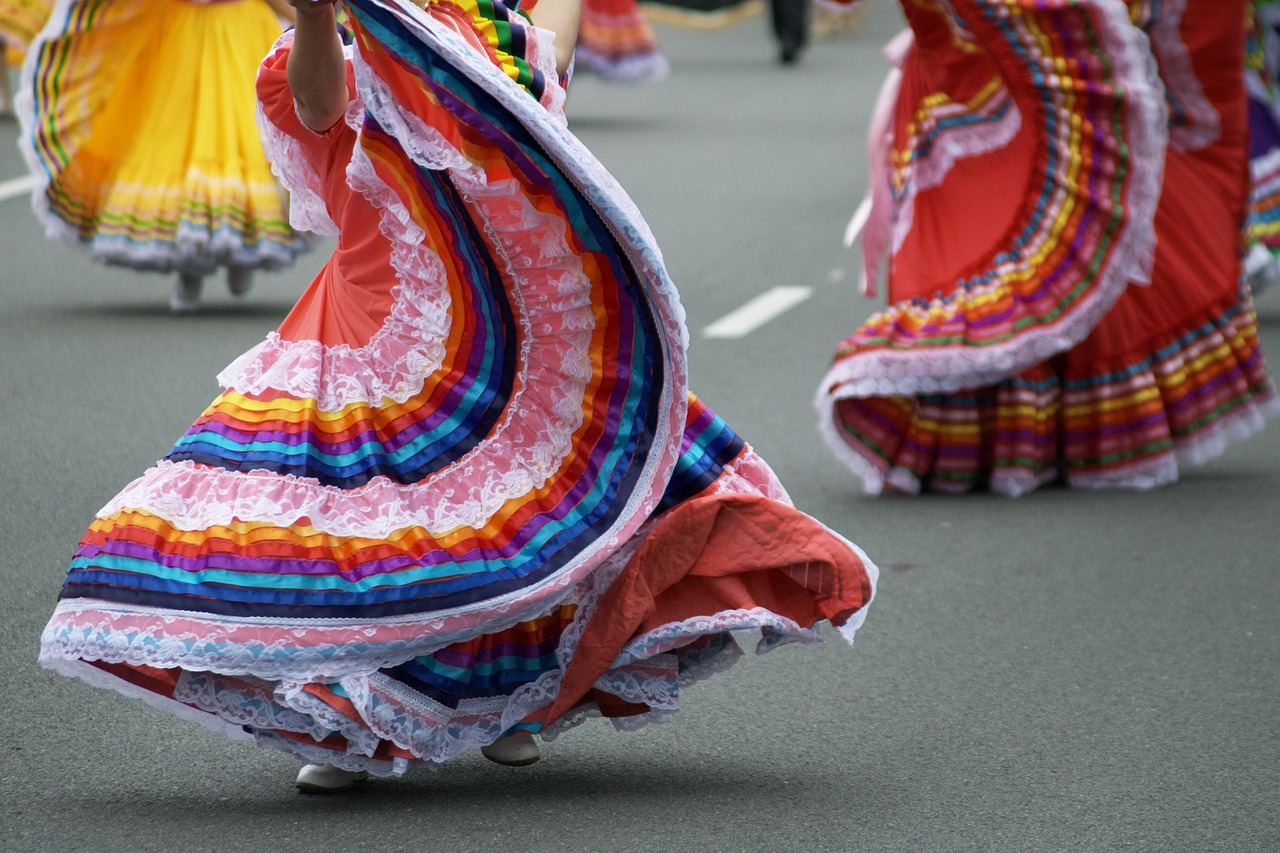
Think folk dance is just clapping in circles? It's actually a deep social connection that challenges your rhythm and history—sign up, and you may find a whole new community.
Learning folk dance as a beginner introduces you to a rich tapestry of traditional movements that connect you to specific cultures and communities – passed down through generations rather than choreographed from scratch.
You learn set patterns and steps in a group, often with live music or caller guidance.
Unlike ballroom or contemporary dance, the point isn't performance polish – it's communal participation, no partner or prior experience required.
In folk dance, participants learn and perform traditional dance steps that are often accompanied by live music, engaging in coordinated group movements that reflect cultural stories and histories. Dancers typically follow a leader or instructor, practicing sequences that involve rhythmic footwork, hand gestures, and sometimes even props, fostering a sense of connection with the music and fellow d…
Folk dance fosters social belonging through group participation, creating shared experiences that promote community ties and collective joy. This social interaction, combined with the physical activity, can trigger a flow state as dancers focus on the rhythm and movements, providing a satisfying escape from mundane routines and an incremental sense of accomplishment as skills improve.
You think folk dance is for school fairs and grandparents. Costumes, circles, maybe a maypole. You're picturing yourself awkwardly clapping off-beat at a community center. You're already half-deciding it's not for you.
Folk dance thrives on connection. The social element is the whole engine. You can't dance alone. Every step is steeped in history. You're not just learning steps, you're feeling what people did to connect. The skill level goes beyond what you expect - Balkan rhythms in 7/8 and 11/16 time challenge your brain and surprise you.
A friend of mine joined a Greek folk dance class thinking it was just a simple night out. Six months later, she was off to a regional festival, had a standing weekly dinner group, and was on her third regional dance style. The class was just the start
The question isn't about liking it. It's about showing up for the first time. Next, we'll explore how to cross that line.
Stepping into the world of folk dance feels like entering a world where everyone knows the steps but you. The music plays, smiles abound, yet it seems everyone received a map except you. That gap between observing and participating is wide, remaining tangible beyond the first session.
Most of your first session is spent watching your own feet go astray. Feet refuse to sync, and while the group moves harmoniously, you find yourself turning the wrong way or pausing mid-step as you try to catch up.
By the third session, moments of clarity start to form. You'll notice patterns begin to connect, and your body starts to anticipate what's next. This fleeting sense of rhythm is what keeps you coming back to the circle with renewed energy.
Direction, not footwork, guides the dance. New dancers often spend their initial practices looking for foot cues that don't exist, getting turned around and lost. Embrace the humor of getting it wrong and know that sticking with it closes the gap faster than you expect.
When to start: Morning
Duration: 1.5 hours
Cost to try: $10
Success criteria: If you can follow a beginner folk dance tutorial for 30 minutes and repeat the main step pattern with the music twice in a row, do session 2.
Beginners often count steps like solving math problems, ignoring the music. But musicality comes first. Clap along with the track and hum the phrases. Get the beat in your head before you try to dance it out.
Instinct tells you to watch footwork, but that's just part of the story. The real cues are in the torso and shoulders.Watch the chest and upper body to understand the dance properly.
Each dance tradition has a typical circle direction. Many go counterclockwise, but not all. Getting it wrong shatters your confidence.Ask someone knowledgeable before starting to ensure you're moving with the group.
You might pull up a Bulgarian tutorial when your group dances Balkan line and face an uphill battle. Irish set dancing is not the same as céilí.Identify your group's specific style for efficient learning and accurate practice.
Nervous beginners often grip too hard, disrupting the entire line. This tightness broadcasts mistakes.Connect lightly with your neighbors. Feel the motion, don't control it.
Folk dance often takes place in community centers, dance studios, church halls, and university campuses. Basically, anywhere there's space to move and music to play.
Don't worry if the address you find seems inactive. Many groups rotate locations, so dig deeper if you don't see immediate activity.
When entering a folk dance event, introduce yourself with, "I'm completely new – do you have a beginner walk-through before the main session?"
Most groups start with a teaching session for newcomers. Ask outright, and someone will likely guide you through the first dances.
The easiest entry point for newcomers
is Contra Dance. A caller leads a line dance, so memorization isn't needed. Most events are cheap and drop-in friendly, from $5–$15.
Square Dance is for those seeking a reliable crew
with a formal vibe. It's similar to Contra but done in groups of four couples. Clubs cater to dedicated dancers, not casual drop-ins.
Irish Set Dancing is for those who want both complexity and socializing.
You'll notice the difference in footwork fast. Classes are usually scheduled, with fewer casual sessions.
Balkan Folk Dance is for music enthusiasts who love unusual beats.
It includes Bulgarian, Serbian, and Greek styles. Rhythms like 7/8 are more a feature than a challenge.
Morris Dancing brings a blend of performance and tradition.
It's a team activity featuring handkerchiefs, sticks, and bells. Join a side to rehearse and perform.
Readers who enjoy this often gravitate toward Ballet next.
Swing Dance lives in the same world — different mechanics, similar appeal.
The real breakthrough for dancers isn't in perfecting every footwork step. It's about tuning your ears to recognize musical phrases.
Musical phrasing awareness means recognizing where the 8-count or 16-count phrase begins and ends. Your body anticipates the shift, rather than reacting.
Stop hearing just beats; start hearing the music as a predictable arch. Feeling the phrase transforms stumbling into clean movement.
Try 8 sessions over a 30-day span. Attend two classes each week to move past initial awkwardness without overcommitting.
You're eager to return.
You recognize the moves and faces. That eagerness shows genuine connection with the activity. Find a weekly class and commit for three months.
You're indifferent.
There's no dread, but it's not a thrill either. This might mean the style isn't right. Experiment with a different tradition like Irish or Balkan before deciding.
You didn't want to be there.
This isn't just stage fright or the beginner's challenge; it's true reluctance each time. Maybe the group format or contact isn't your thing. That's okay, and no amount of effort will change it.
If you pause scrolling whenever folk music plays, that's key. That urge to move is a deeper connection than you realize. Listen to it.
Want broader ideas first? Our list of hobbies gives you the lay of the land.
For quicker fixes, see our roundup of things to do when you're bored.
Folk dance is a traditional dance form rooted in the cultural heritage of specific communities, passed down through generations to celebrate rituals, celebrations, and storytelling. Unlike contemporary or ballet, folk dances vary widely by region and culture—each with distinct steps, music, and costumes that reflect the community's history and values.
No, folk dancing welcomes beginners of all ages and fitness levels. Most folk dance classes teach basic steps and movements from scratch, focusing on learning the cultural context alongside the technique. Your willingness to participate and connect with the community matters far more than prior experience.
Basic steps can be learned in a single class session, but truly mastering a folk dance typically takes several weeks to months of regular practice. The timeline depends on the dance's complexity, how frequently you practice, and how deeply you want to understand its cultural significance.
For beginners, comfortable clothing you can move freely in—like athletic wear or casual pants—is sufficient. Many communities provide or eventually require traditional costumes for performances, but these aren't necessary when you're just starting out.
Community folk dance classes are often free or very affordable ($5–$15 per session), while structured lessons at dance studios may range from $15–$40 per class. Many cultural centers and community organizations offer discounted or donation-based options to keep folk dance traditions accessible.
Search for folk dance classes through local dance studios, community centers, cultural organizations, and universities. Online directories and social media groups for your specific cultural interest—like Irish, Balkan, or Latin folk dance—can help you locate nearby groups and regular meetups.