BoredomBusted — Find Your Next Favorite Thing To Do
Discover hobbies, activities, places, and ideas that spark joy. Whether you're looking for something creative, active, social, or relaxing, BoredomBusted helps you find your next favorite thing to do.
Browse our hobby guides, things-to-do collections, and place ideas to never be bored again.
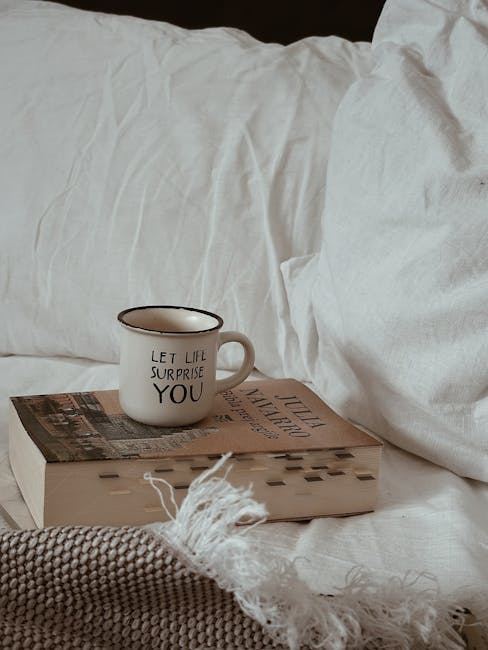
Poetry reading isn’t just about words—it’s a powerful antidote to emotional numbness, sparking deep community bonds you didn’t know you needed.
Getting started with poetry reading as a beginner involves immersing yourself in the text repeatedly to unveil deeper meanings and emotions.
Unlike general reading, you're not chasing plot or information; you're paying attention to how meaning is made, through line breaks, sound, and compression.
It's closer to listening than reading.
In poetry reading, you engage in close reading of poems, often revisiting the same piece multiple times to extract deeper meanings, and participate in discussions that involve reading aloud, sharing interpretations, and analyzing language and imagery with others or on your own.
This hobby fosters a sense of community through shared experiences and encourages thoughtful engagement, which can alleviate feelings of numbness or restlessness by enhancing emotional connection and creative expression.
You think poetry is something you endure. Assigned in school, recited at funerals, appreciated by people who own turtlenecks.
That's the assumption, and it's keeping you away from one of the most efficient reading forms out there.
Mary Oliver wrote a poem called The Summer Day that ends with a single question. Twelve words.
People have built entire life philosophies around those twelve words – not because poetry is mystical, but because compression forces you to do the interpretive work yourself
That's not a bug.
That's what makes it stick
The question isn't whether you'll enjoy poetry.
It's which poems you haven't met yet – and that's exactly where we're going next.
When you watch someone perform a poem or listen to a powerful recording, it seems effortless. You think all you need is to read more poems. But then you sit down with a collection and feel lost, unsure of what you're looking at.
Poems initially feel like codes. Meaning hides, requiring multiple readings of a stanza without any breakthrough, leaving you with mild embarrassment.
Patterns eventually click in the middle of reading. Ambiguity becomes something intentional, and you find yourself rereading for pleasure rather than necessity.
In the first week, you'll rush through poems, feel disconnected, and think you're doing it wrong. You're not—your reading speed just needs to adjust for poetry's unique demands.
By the second week, one poem might unexpectedly grab you, even if you can't articulate why. That friction is where the real work begins to take shape.
In the third week, you'll begin realizing line breaks have purpose beyond aesthetics. They dictate your breathing and emphasize the poem's rhythm and meaning.
During the fourth week, revisiting a poem from earlier reveals insights initially missed. This shows progress and deeper understanding.
Read out loud from the start—not because it's poetic, but because your mouth detects rhythm that your eyes might miss. This rhythm is key to the poem's effect.
It's slow and sometimes confusing when nothing seems to land.
This isn't a reading problem—it's the turning point before poetry starts to resonate beyond the printed words.
When to start: Morning
Duration: 1 hour
Cost to try: $0
Success criteria: If you read 3 poems aloud, marked one phrase or word from each, and wrote one specific reaction for each, do session 2.
A single read only scratches the surface of a poem. You're missing its depth and texture by not diving deeper.
Read each poem three times to uncover its layers:
Beginners often feel they should start with big names like Dickinson and Whitman. Yet, their work can be too dense from the start.
Try more accessible voices
like Ada Limón or Ocean Vuong, where the language feels familiar and inviting.
New readers often freeze at difficult lines, losing the poem's momentum.
Read the entire poem first, then circle back.
The conclusion often sheds light on the puzzling parts in the middle.
Reading poetry only with your eyes removes its musicality.
Whisper the words as you read.
Feel the rhythm and repetition with your breath and mouth.
Many read poetry by immediately trying to decode its meaning, missing the emotional journey.
Focus first on how the poem makes you feel.
Allow its impact to settle before dissecting its meaning.
Independent bookstores, coffee shops, libraries, and small theaters host plenty of poetry readings. Sometimes you can catch multiple events in the same neighborhood on one night.
Introduce yourself by saying, "I'm new – is this a good night to just listen first?" Expect an informal tour, a friendly introduction to whoever manages the sign-up, and tips on standout readers.
Lyric poetry is personal and emotional, usually short. The most accessible for beginners as it offers immediate rewards without long commitments. Most poetry you've encountered in anthologies is lyric.
Narrative poetry tells a story, much like a novel. Perfect for those who love fiction and want more depth than short poems offer. Think epics and verse novels like The Odyssey or Eugene Onegin.
Poetry in translation presents the same work in different languages. Great for those looking to explore language nuances without learning a new language. Comparing versions of Neruda or Rilke reveals both linguistic and poetic insights.
Spoken word and slam poetry are designed for the stage, not the page. Ideal for anyone who finds traditional poetry cold or hard to connect with. Get started on YouTube or Spotify by searching for poem performances.
Formal verse like sonnets, villanelles, and ghazals rely on structure. Best for readers seeking a deeper exploration and are willing to spend extra time analyzing technique within constraints.
Nonfiction Reading lives in the same world — different mechanics, similar appeal.
A close neighbor worth considering: Literary Reading.
For something adjacent, see Research Reading.
Most beginners rush to extract meaning from poems as if they're simple articles. This approach backfires. It leaves poems feeling obscure and closed off.
Recognize the importance of the turn. The turn is where a poem's speaker shifts thinking, revealing a deeper layer. It's often just a single word or a pause before the final lines.
Identify this turning point, and the poem reorganizes around it.
Training yourself to find the turn changes how you read poems. Instead of treating a poem as a static statement, you experience it as a thinking process. This shift reveals a poem's actual intent and purpose.
Start by reading the last three lines of any poem first. Then read from the beginning, observing where your understanding changes – that's often where the turn resides. After a full read, summarize the poem in a sentence like, "It starts believing X, then realizes Y." If this eludes you, look for cracks or shifts in understanding.
Circle conjunctions or pivot words – but, yet, still, now, though. These signal the turn's presence.
Notice these words, and let them guide your next reading.
Commit to 8 sessions over 30 days. Aim for two each week, 20–30 minutes per session.
If you find yourself reaching for poems outside your planned time, you're onto something. Screenshotting a line or reading twice shows a real interest. Start compiling a personal anthology to capture what resonates.
If the sessions left you unmoved, genre might be the culprit. Many potential poetry fans stumble over mismatched styles. Sample contemporary spoken-word or prose poetry to see if it clicks before moving on.
If each session felt like time dragged on, that's clear feedback. If your relaxation style leans more toward narrative, action, or creation, poetry reading might not provide the kind of downtime you crave.
The one sign you shouldn't ignore: song lyrics or book lines captivate you. If you find yourself re-reading them, it's a signal. You're already drawn to precise, powerful language and could connect the same way with poems.
For a wider menu of options, see our list of hobbies.
When you don't want to commit, things to do when bored is a better starting point.
Check local bookstores, libraries, universities, and coffee shops—many post event calendars on their websites. You can also search online for "poetry open mics" or "poetry readings" plus your city name, or use event platforms like Eventbrite and Meetup to discover nearby readings. Social media pages for local arts venues often announce upcoming events.
No. Most poetry readings welcome audience members who simply want to listen and enjoy the work of others. Some events are open mic nights where reading is optional, while others are curated performances where you sit back and experience the poets. You can attend as a listener for as long as you'd like before deciding to share your own work.
Typically, you'll find a casual atmosphere with poets taking turns reading their work, each reading for 5–15 minutes. The tone varies—some readings are intimate and reflective, others are high-energy with musical accompaniment or spoken word performances. Most venues have seating, refreshments, and a friendly audience that claps between performances.
Many poetry readings are free, especially library events and open mics at coffee shops or bookstores. Ticketed readings at dedicated venues or featuring well-known poets typically range from $5–$20. Some events have a "pay what you can" model, allowing you to support the venue and artists at your own discretion.
You don't need any special skills—just a willingness to listen and be open to different writing styles and voices. Poetry appreciation develops naturally as you attend more readings; you'll gradually learn to recognize rhythm, imagery, and emotional impact. Everyone starts as a beginner, and the community is welcoming to all levels.
Start with one or two readings per month to build comfort and discover what styles resonate with you. Once you find venues or poets you love, you can attend more frequently—some dedicated fans attend weekly open mics. There's no "right" frequency; go at whatever pace feels natural and enjoyable for you.