BoredomBusted — Find Your Next Favorite Thing To Do
Discover hobbies, activities, places, and ideas that spark joy. Whether you're looking for something creative, active, social, or relaxing, BoredomBusted helps you find your next favorite thing to do.
Browse our hobby guides, things-to-do collections, and place ideas to never be bored again.
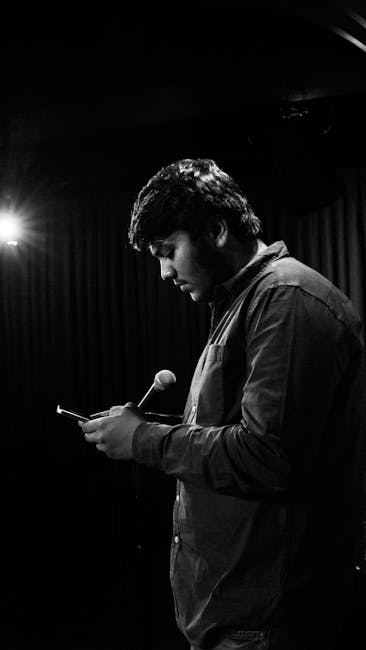
Stand-up isn't just about funny performances on stage — it's 10 hours of writing per hour performing, honing your ability to distill raw observations into sharp material.
Learning stand-up comedy as a beginner involves honing your skills in writing and delivering original jokes that resonate with a live audience. Stand-up comedy is the craft of writing and performing original comedic material solo, in front of a live audience, with nothing between you and their reaction.
You write the jokes, you deliver them, you find out immediately if they land.
Unlike improv (collaborative, unscripted) or sketch (rehearsed, ensemble), stand-up lives or dies on your individual voice and your ability to shape real life into something an audience laughs at together.
In stand-up comedy, hobbyists engage in solitary writing drills to generate jokes, rehearse them verbally, and perform at open mics, using techniques like 'But Statements' and mismatch exercises to develop punchlines while incorporating physical delivery through gesture practice and audience interaction.
Stand-up comedy alleviates boredom through immediate skill feedback from live audiences, fostering a sense of accomplishment with each performance, while also ensuring creative expression and social belonging through shared experiences and iterative refinement of material.
Stand-up comedy is about being funny. That's the assumption. And it's the one keeping most people from ever trying it.
You're picturing a spotlight, a brick wall, someone dying in silence. That's a performance — and most people doing stand-up as a hobby almost never perform.
Jerry Seinfeld kept a physical chain on a wall calendar — one link per day he wrote jokes. Not per day he performed. His entire system was built around writing, and he treated a single skipped day as the thing worth preventing.
Most working comedians spend roughly 10 hours writing for every 1 hour on stage. Stand-up is a compression discipline — you're training yourself to take a raw observation and cut it down to its sharpest possible form. That skill transfers far outside comedy.
The other thing it builds is pattern recognition. You start noticing the gap between what people say and what they actually mean — and once you've trained that instinct, it changes how you read every room you walk into.
A notebook. A single weird thing you noticed today. Ten minutes. That's the actual shape of the first session — and knowing what to do with it makes the difference between quitting after day one and building a real habit.
Watching stand-up feels like understanding it. You've clocked the timing, spotted the callbacks, laughed at the exact right moments — so how hard can writing five minutes actually be?
The gap between audience and performer is the widest in comedy. You go in certain you have material. You come out staring at a blank page for forty minutes, one joke that maybe works, and the slow realization that "funny in real life" is a completely different skill.
Your first week, you write what feels like solid material, say it out loud, and immediately hear why it isn't. Your first open mic, the room is quieter than you expected — but you survive it, and that counts.
Then one line gets a real laugh. One. And that single moment resets your entire relationship with the craft more than any tutorial could. Shortly after, you start cutting the bits you were most attached to — because they were never funny, they just felt safe.
Silence.
Real silence.
Not the pause before applause — just silence. That's the moment most people decide they're not cut out for this, which is exactly when the people who get good decide to write differently instead of quitting.
Record every set on your phone. No exceptions. Comedy lives in the gap between what you thought you said and what you actually said — and you will never hear that gap in real time until you play it back. The next section covers the mistakes that keep people stuck in that silence longer than they need to be.
When to start: Morning
Duration: 1 hour
Cost to try: $0
Success criteria: If you can write 3 jokes, perform them on video with clear punchlines, and hear your own timing in playback, do session 2.
Most beginners sit down to "write comedy" like it's homework, inventing material from nowhere instead of mining what already gets laughs in real life.
Record yourself in normal conversations for a week – the stuff that makes your friends laugh without thinking is your actual voice.
New comics rehearse like actors learning lines, which means one forgotten word unravels the whole bit on stage.
Memorize the shape of the joke – setup, misdirection, punchline – so you can say it ten different ways and it still lands.
A bad set stings, so most beginners just try to move past it instead of treating it like data.
Watch the footage (yes, film yourself) and mark the exact moment the room went cold – that sentence is the problem, not the whole bit.
Open mics feel like the job, but most open mics are rooms full of comics waiting for their own turn, not people who want to laugh.
Get in front of actual strangers first – a house party, a small charity show, anything with civilians – so you know what real engagement feels like before you chase mic spots.
When a joke isn't working, the instinct is to push harder, which just makes you look panicked and teaches the room not to trust you.
Slow down instead – silence after a weak punchline reads as confidence, and confidence is what keeps an audience willing to go with you.
Stand-up comedy happens at open mics – not the famous clubs you've seen on Netflix specials.
Think comedy clubs, bars and dive bars, coffee shops, and open mic nights – small rooms with a mic stand and an audience willing to listen.
There's no single national governing body for stand-up comedy the way sports have leagues.
The closest infrastructure is Toastmasters International, which runs structured public speaking clubs in most cities and is genuinely useful for getting comfortable in front of humans before your first real mic.
Tell the host you're brand new when you sign up for a slot.
That one sentence usually gets you a spot early in the lineup, a gentler crowd, and a 30-second heads-up before you go on – which is more than veterans get.
Open mic comedy is unpolished, unpaid, and brutally honest. You sign up, get 3–5 minutes, and a half-empty bar tells you immediately what's working.
This is the only format that makes you better, faster — because the feedback is immediate and there's nowhere to hide.
Sketch comedy means writing and performing characters and scenes with a group — not a solo set. The laughs are shared, and so is the pressure.
Groups like UCB or local improv theaters often run sketch programs with low entry costs compared to stand-up classes — and you'll spend most of your time in a room with collaborators, not alone with a notebook.
Improv comedy means no script, no prepared material — you're building jokes in real time with other performers based on audience suggestions.
A beginner improv course runs $150–$400, and it's the fastest way to develop comic instincts — faster than any amount of solo writing.
Roast comedy is adversarial by design — everything is an attack on a person, a room, or a concept, and the audience walks in knowing that.
Bombing hits differently here because the tone is already hostile. Writers who find observational comedy too soft tend to find their voice in this format.
A one-person show is stand-up's theatrical cousin — a 45–90 minute narrative performance built around a single theme or life story. It's less "jokes per minute" and more sustained storytelling with comedic beats.
This format demands enough stage experience to hold a room alone for an hour — it's not a first project.
Readers who enjoy this often gravitate toward Improv Acting next.
A close neighbor worth considering: Puppetry.
A close neighbor worth considering: Baton Twirling.
Most beginners obsess over writing funnier jokes. They tweak wording, swap synonyms, cut syllables. The jokes still don't land.
The one skill that actually changes this is learning to track audience energy in real time and adjust your pacing — not just your material. If you can't diagnose what's happening in the room while you're in it, you can't fix anything — not during the set, not after.
The silence after your setup is information. Curious silence wants a beat. Dead silence wants a rescue. Most beginners can't tell the difference — so they rush to save themselves and kill the very pause that would have worked.
A comedian who reads a room can make mediocre material work. One who can't will walk off blaming the joke when the timing was the actual problem.
Without this, you're performing at people — running your script while they slowly disconnect. Your worst sets aren't about bad writing. They're about missing the drift until the room is already gone.
The next section covers where to practice this most efficiently — and which room types will stress-test it fastest.
Commit to 4 open mics in 30 days – roughly one per week. That's enough to write a real set, bomb it, fix it, and feel the difference between night one and night four.
You're already mentally tagging life moments as "bit potential" – before you've ever performed. You re-tell the same story at dinner because you've figured out exactly where to pause. That's not a personality quirk – that's the raw material stand-up is actually built from.
Open mics run late – usually 8pm to midnight on weekdays. If your schedule has hard stops (kids, early shifts, health routines), the logistics alone will grind you down before the craft gets a chance.
If you need quick feedback loops to stay motivated, stand-up will frustrate you. A joke can take months of bombing to find its shape. Hobbyists who need visible progress fast rarely survive that window.
Live audience dependency is also real. If you're in a rural area with no open mic scene within a realistic drive, the "one mic a week" structure doesn't exist for you – and recorded sets in your bedroom are a different hobby entirely.
If you've made it to four mics and you're still standing, the resources section has everything you need to stop winging it.
For quicker fixes, see our roundup of things to do when you're bored.
Start by attending open mic nights at local comedy clubs or bars to watch other comedians and get comfortable in the environment. Once you feel ready, write down 5–10 minutes of material based on your personal observations and funny experiences, then sign up for an open mic slot. Most venues are welcoming to beginners, and you'll learn more from performing than preparing.
Most comedians need 1–2 years of consistent performing to develop solid stage presence and material, though you can get laughs much sooner. The key is performing regularly—ideally multiple times a week—and refining your jokes based on audience reactions. There's no fixed timeline; improvement depends on how often you perform and how seriously you study comedy.
You'll likely feel nervous, and that's normal—even experienced comedians get butterflies. You'll probably bomb your first few times, which is a rite of passage; the audience is usually supportive of beginners. Expect to be on stage for 3–5 minutes, and focus on having fun rather than getting every laugh—the goal is to build confidence and learn what works.
Getting started is very affordable—open mic nights are typically free or have a one-drink minimum (usually $5–10). You only need a notebook and pen to write material, so the main cost is showing up and practicing regularly. Beyond that, it's optional to invest in comedy courses, workshops, or travel to bigger venues, but they're not necessary to begin.
Write about what you know—your observations, embarrassing moments, relationships, work life, or unique perspectives—because authentic material is funniest and easiest to deliver. Avoid trying to copy other comedians' styles; audiences connect with your unique voice and personal stories. Start with observational humor and short jokes, then build longer bits as you understand what makes your audience laugh.
The best approach is to stay calm and quick-witted; acknowledging a heckler with humor often defuses the situation and wins the audience over. If you freeze, simply move on to your next joke—flubbing a moment happens to everyone and the audience will understand. As you perform more, you'll develop comebacks naturally and learn which hecklers deserve a response versus which to ignore.