BoredomBusted — Find Your Next Favorite Thing To Do
Discover hobbies, activities, places, and ideas that spark joy. Whether you're looking for something creative, active, social, or relaxing, BoredomBusted helps you find your next favorite thing to do.
Browse our hobby guides, things-to-do collections, and place ideas to never be bored again.
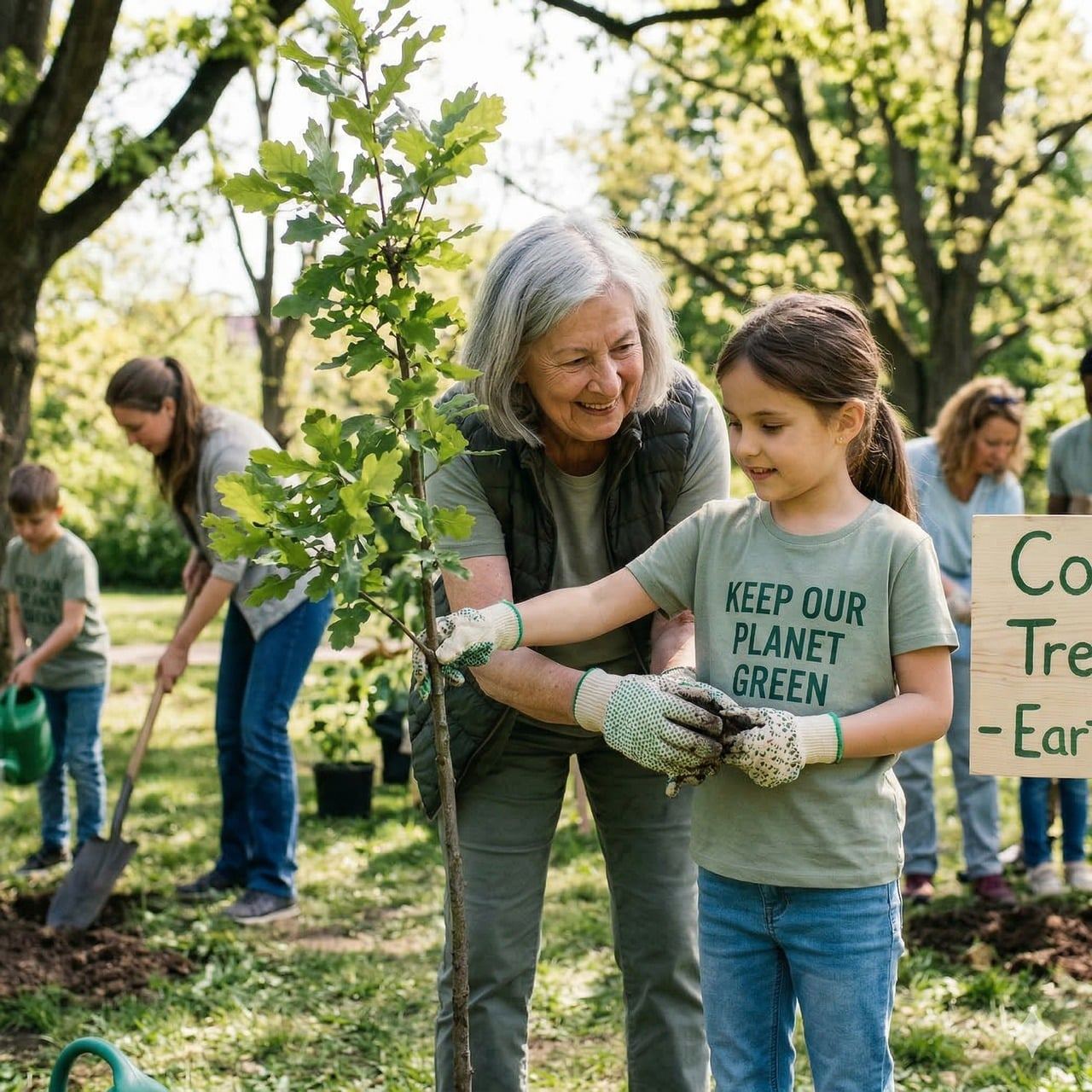
Volunteering is less about altruism and more about the unexpected skills and connections you gain — think managing irrigation systems instead of ladling chili.
Volunteering as a beginner is a rewarding way to contribute your time and skills to meaningful causes without expecting any financial return. That's the core of it.
You show up, do real work, and the organization couldn't function without people like you.
What separates it from other social hobbies is stakes – someone's meal, shelter, or crisis response actually depends on whether you follow through.
In volunteering, you engage in specific activities such as sorting food at food banks, tutoring students, or walking shelter dogs, which require physical presence and interaction with others in your community. You may also organize community gardens or participate in environmental clean-ups, actively contributing your time and skills to create positive change.
Volunteering fosters a sense of belonging and community by creating social connections, which can alleviate feelings of emptiness and numbness. Additionally, the incremental feedback from seeing the direct impact of your efforts provides a tangible sense of accomplishment, enhancing motivation and engagement.
You imagine volunteering as a one-time gig. A day at the soup kitchen, ladle in hand, a name tag that says "Helper."
Volunteering isn't just a momentary act of charity. It's an ongoing commitment that transforms both you and your community over time.
A woman named Carla started volunteering at an urban farm to "do something outdoors."
Two years later she was managing their irrigation system, had learned basic soil chemistry, and had been offered a part-time paid role – none of which she was looking for when she showed up that first Saturday in borrowed gloves.
The heart of why you keep coming back lives in the next section.
Volunteering seems easy on screen. You arrive, only to find glaring lights, a confusing clipboard, and people already in the zone.
That initial disorientation is totally normal. You'll adjust faster than you expect.
At first, there's nervous energy, a rehearsed smile, and a fear of making mistakes. You have no idea where anything is.
Soon, things fall into place. Tasks become familiar, you recognize faces, and you even know where the spare gloves are stashed.
In the beginning, you mostly observe, which is exactly what you should be doing.
By the second week, you're handed a real task and panic about keeping up. But the awkwardness fades as tasks become routine by week three. Your hands start moving before your brain does.
By week four, you're helping others. When someone newer looks lost, you're able to guide them.
Most volunteer coordinators are juggling many things, so don't take it personally if they seem distant. Prepare questions ahead instead of waiting for a briefing.
Feeling useless is temporary. The people who stick around aren't necessarily braver—they simply understand that sense of belonging is worth the wait.
The next section will dive into common mistakes and how to avoid them.
When to start: Early morning
Duration: 1 hour
Cost to try: $0
Success criteria: If you arrive on time, sign in, and complete a full hour helping with one cleanup task plus one brief check-in with another volunteer, do session 2.
Enthusiasm is great until you're tied to three nonprofits and four weekends a month vanish. It's easy to say yes to everything, thinking you're just being helpful.
Try just one organization for 60 days. See how it fits your life, then consider adding more.
Animal shelters sound fantastic until you realize they clash with your Saturday plans. It might look good on paper, but you can't contribute if you're never available.
Block out your realistic availability first. Match it to what organizations need.
New volunteers often daydream through orientation, then feel lost in their first shift. This doesn't help anyone, least of all the staff depending on you.
Ask three questions before leaving the room. It ensures you're both informed and engaged.
Roles like crisis hotlines or mentoring scare folks off, fearing they're unqualified. But the truth is, they expect you to start from zero.
Apply without hesitation. Most places have training set up for newcomers.
Volunteers who don't speak up get bland tasks like data entry and fade out fast. This doesn't help you or the organization.
Share a specific skill and growth area with your coordinator. They'll often find a way to make both work.
Volunteering takes place wherever there is a need for help.
Food banks, animal shelters, and community centers.
Hospitals, outdoor conservation sites, and local event venues.
AmeriCorps (americorps.gov) is the national volunteer network. Their site links to your state's volunteer resources.
When joining, say: "This is my first time – can you pair me with someone?"
That line helps you get a shadow shift instead of being left alone with a clipboard.
Instead of taking on general tasks, you bring a specific skill – like legal expertise, medical knowledge, design, or coding – and apply it directly to an organization's real needs. The impact per hour is usually much higher than general volunteering.
Ideal for seasoned professionals who want to apply their expertise where it's truly needed.
Short, task-based commitments done online – such as transcribing records, tagging images, or reviewing nonprofit copy. No ongoing relationship required and no commute.
Perfect for those who want to contribute without being tied to a schedule. An excellent way to start if you're unsure about a long-term commitment.
Participate in events like races, festivals, charity drives, or disaster relief efforts for just a day or a weekend. You show up, do the job, and go home – no long-term commitment attached.
Great for those who thrive on the energy of a crowd and prefer a clear end date.
Commit to one organization over months or years with roles like mentoring, hospice support, or literacy coaching. Building relationships is key here, and most programs require an interview and training before you start.
For those who prefer depth over variety and are committed to long-term involvement.
Engage in remote work for nonprofits, offering skills like tutoring, crisis text support, or grant writing assistance. Gear cost is zero; staying focused is the challenge.
Ideal for those in rural areas or with mobility limitations, though it lacks the personal connection of in-person volunteering.
Box Breathing lives in the same world — different mechanics, similar appeal.
If the texture of this appeals to you, Gratitude Journaling is built on similar bones.
Pranayama lives in the same world — different mechanics, similar appeal.
Reading the room of an organization is crucial. It's about understanding what a nonprofit truly needs beyond what's on the sign-up form. New volunteers often focus on working hard, hoping that alone will create impact. The real lever isn't effort. It's knowing where your effort lands.
Volunteer coordinators will always give you tasks. But key information, like which shifts need more help or the specific skills in demand, often goes unspoken.
Developing this skill makes you irreplaceable. Otherwise, you may end up feeling disconnected, questioning why volunteering isn't as fulfilling as promised. That gap is often about missing information.
Engage in four volunteering sessions over 30 days. This timeframe gives you exposure to different tasks and people, providing a clear sense of whether this is the right path for you.
If you find yourself wanting to return, it means more than just liking what you did. It's a sign that volunteer work's social environment suits you. Dive deeper by seeking regular shifts and integrating more closely into the community.
Feeling indifferent after the sessions suggests a mismatch. Consider trying different types of volunteer work first. Varied activities attract different personalities. Donating time might be a better fit with tasks that align more closely to your interests.
Having a strong aversion to returning reveals a clear disconnect. Recognize this without attributing it to personal failure. Some individuals find the act of giving time to be exhausting rather than uplifting. That's your answer to explore other ways to contribute.
Notice if community issues bother you enough to want action. Recognizing a persistent internal urge to make a change is a signal that volunteering is right for you. When you start seeing yourself as the solution, you're already on your way.
Not ready to pick a hobby yet? The boredom busters page has smaller things to try first.
Volunteering is flexible—you can start with as little as 2–4 hours per week or commit to a single project. Many organizations offer one-time opportunities, regular weekly shifts, or seasonal roles, so you can choose what fits your schedule.
You don't need specialized skills—most organizations welcome volunteers from all backgrounds and provide training. Whether you bring professional expertise or simply willingness to help, there's a role that matches your abilities.
Start by identifying causes you care about—education, environment, social services, animal welfare—then search volunteer matching platforms or contact local nonprofits directly. Many community centers and websites list openings with detailed descriptions of what the role involves.
Volunteering itself is unpaid, but you may have minor expenses like transportation. Some organizations provide meals, supplies, or reimbursement for costs, so ask before committing.
Volunteers gain new skills, expand their professional network, build deeper community connections, and experience measurable personal fulfillment. Many people report improved mental health and a stronger sense of purpose through regular volunteer work.
Yes—organizations offer remote volunteering, flexible scheduling, and adapted roles for people with mobility challenges. Virtual mentoring, online support, and seated tasks are all valuable ways to contribute.