BoredomBusted — Find Your Next Favorite Thing To Do
Discover hobbies, activities, places, and ideas that spark joy. Whether you're looking for something creative, active, social, or relaxing, BoredomBusted helps you find your next favorite thing to do.
Browse our hobby guides, things-to-do collections, and place ideas to never be bored again.
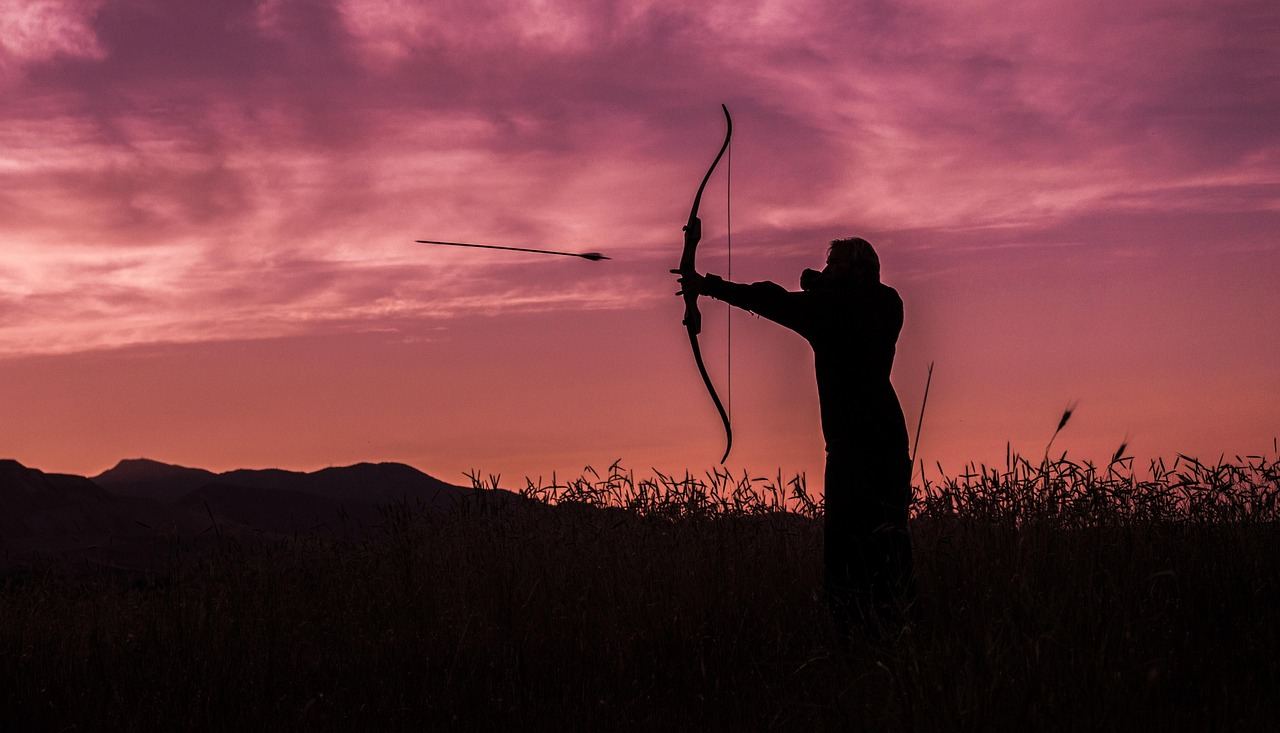
Many beginners think archery is about shooting — it's actually a test of mental focus and patience that transforms concentration into precision.
Getting started with archery as a beginner is an exciting journey that emphasizes focus and control from the very first shot. While it evokes images of medieval warriors or Olympic athletes, it's about nocking an arrow, drawing the bow, aiming carefully, and then releasing with precision.
Technique reigns in archery. It favors finesse over raw power. Strength is secondary to understanding shot mechanics and executing them smoothly.
Archery is a full-body workout. Your core holds your stance, your back pulls the string, and your eyes lock onto the target. Mental sharpness is equally vital, calling for calm focus under pressure.
There's a meditative quality to the repetition in archery. Drawing and releasing can be rhythmic and calming, blending physical effort with mental stillness.
Archery is about consistency. Each shot offers the chance to refine technique, track progress, and savor the 'thunk' as arrows meet the target.
In archery, you practice shooting arrows at a target using a bow. It involves learning techniques for proper stance, aim, and release.
Archery requires concentration and precision, providing a meditative focus that distracts from daily stresses. The satisfaction of hitting targets can be immensely rewarding.
You might think mastering archery is as simple as learning to shoot.
Picture this: an archer gets their first bullseye and assumes it's smooth sailing from here. But the next arrow flies wide. Then another misses entirely. You see,consistent accuracy requires constant attention to even small details.
Beginners quickly realize just how much focus archery demands. Mental discipline is as crucial as physical skill. Consider it more like a martial art.
Archery hones focus, sharpens motor skills, and calms the mind. This isn't just about hitting a bullseye. It's about mastering the entire process to get there.
Stick with it, and archery becomes a mindfulness exercise. Control your breath, steady your hand. Train both body and mind.
Your initial week with archery focuses on getting used to the equipment. Handling the bow and arrows, finding the proper stance, and basic safety come first. Drawing the bowstring introduces a surprise — the tension you feel in your shoulder muscles.
By week two, the mechanics start making more sense. Nocking the arrow, drawing back, and aiming become routine actions. Shots are scattered over the target, which is expected. Developing muscle memory is the true goal, far more than precision right now.
Week three can be challenging as progress seems to stall. Adapting your technique might feel like going backward for a short time. Steady practice during this bump is crucial, cementing your improvements through repetition.
By week four, familiarity sets in. Movements become natural, shots start hitting more consistently, and the joy of a bullseye is tangible. The realization of improvement hits hard, often surprising those new to the sport.
Many beginners become attuned to the sound of the bowstring releasing. The sharp, twanging noise grows familiar and comforting. Initially unexpected, it soon signals a shot well executed.
When to start: Any afternoon
Duration: 1 hour
Cost to try: $20
Success criteria: Plan a second session when you feel comfortable hitting the target consistently.
Beginners mistakenly believe a firm grip stabilizes their shot. Instead, it causes tension, disrupting the arrow's path. Relax your grip. The bow should gently rest in your hand.
New archers spend too long trying to perfect their aim, leading to fatigue. Balance aiming and releasing in a fluid motion.
Many beginners drop their arm too soon after releasing. Hold your stance and focus briefly as if still aiming.
Beginners often stand too square or lean back. Practice standing with feet shoulder-width apart and weight balanced.
Archery requires mental as well as physical engagement. Beginners often forget this. Use breathing exercises to maintain mental clarity.
Start by checking Archery360 and USA Archery. They offer directories to help you find local archery clubs or ranges.
Meetup.com is a strong option for finding archery groups. It's a relaxed way to connect with others who share your interest.
Search for Facebook groups by using terms like 'archery community' or 'archery club' paired with your city. Connect with local archery enthusiasts quickly.
Walking into a club for the first time? Introduce yourself directly.
Say, 'Hi, I'm new to archery and eager to learn.' Most people welcome newcomers who show interest.
Target archery involves shooting at stationary circular targets over a flat range. Best if you love precision and routine in a controlled environment.
Field archery involves shooting targets of different sizes at varied distances, often in wooded areas. If you appreciate dynamic environments and outdoor unpredictability, this is for you.
3D archery uses life-sized foam animal targets to simulate hunting. Ideal if you want realistic practice without ethics concerns of actual hunting.
Traditional archery uses longbows or recurve bows, avoiding sights or stabilizers. For those who appreciate historical methods and a primal feel.
Bowhunting involves using archery skills for hunting live game. Suited for skilled archers familiar with hunting regulations and ethics.
If you want a related angle, Shooting Sports is the natural next stop.
For something adjacent, see Rifle Shooting.
Bodyboarding is a sibling pursuit and often surfaces the same kind of curiosity.
Consistency is the core skill in archery. It applies to your stance, grip, draw, and release. Without it, your shots will be erratic and hard to control.
Achieving consistency means replicating the same action for the same result. If your form is inconsistent,you'll never know what needs adjusting.
Start by mastering your stance. Practice standing correctly, aligning your body with the target. Keep at it until it feels second nature.
Move on to fine-tuning your draw and release. Use a mirror or film yourself to watch how your movements repeat. Check your elbow height and shoulder alignment.
Finally, practice with target repetition. Shoot groups of arrows and maintain the same form for each shot. Analyze your arrow grouping to spot inconsistencies.
Consistency lets you measure progress. From there, improvements in accuracy and precision will follow naturally.
Test your archery interest with six sessions in a month. This gives you room to move through the basics and catch a glimpse of ongoing progress.
If you find archery fulfilling and look forward to shooting, it's a clear sign you're hooked. Enjoy the quiet focus and plan on learning more advanced techniques.
Feeling neutral about it signals that archery doesn't captivate you. Consider trying another hobby before deciding if this has a place in your routine.
If it feels tedious and you dread practice, don't see it as a failure. Archery might not suit everyone, especially if patience isn't a strong point.
The undeniable sign of a fit is checking weather conditions for perfect shooting moments.
Still looking for something to do? Browse things to do when bored for more ideas.
Initial costs can range from $100 to $300 for basic equipment. Costs can increase as you upgrade gear.
Begin by joining a local archery club or taking lessons to learn proper form and safety. Consider renting equipment initially.
At least 1–2 hours per week will help you maintain skills, but 3–5 hours is ideal for noticeable improvement.
Archery can be challenging due to the focus and technique required, but beginners can learn the basics with a few lessons.
Beginners often worry about their aim and technique, but consistent practice helps build confidence.
Yes, as long as safety guidelines are followed. Supervision by an experienced instructor is recommended for newcomers.