BoredomBusted — Find Your Next Favorite Thing To Do
Discover hobbies, activities, places, and ideas that spark joy. Whether you're looking for something creative, active, social, or relaxing, BoredomBusted helps you find your next favorite thing to do.
Browse our hobby guides, things-to-do collections, and place ideas to never be bored again.
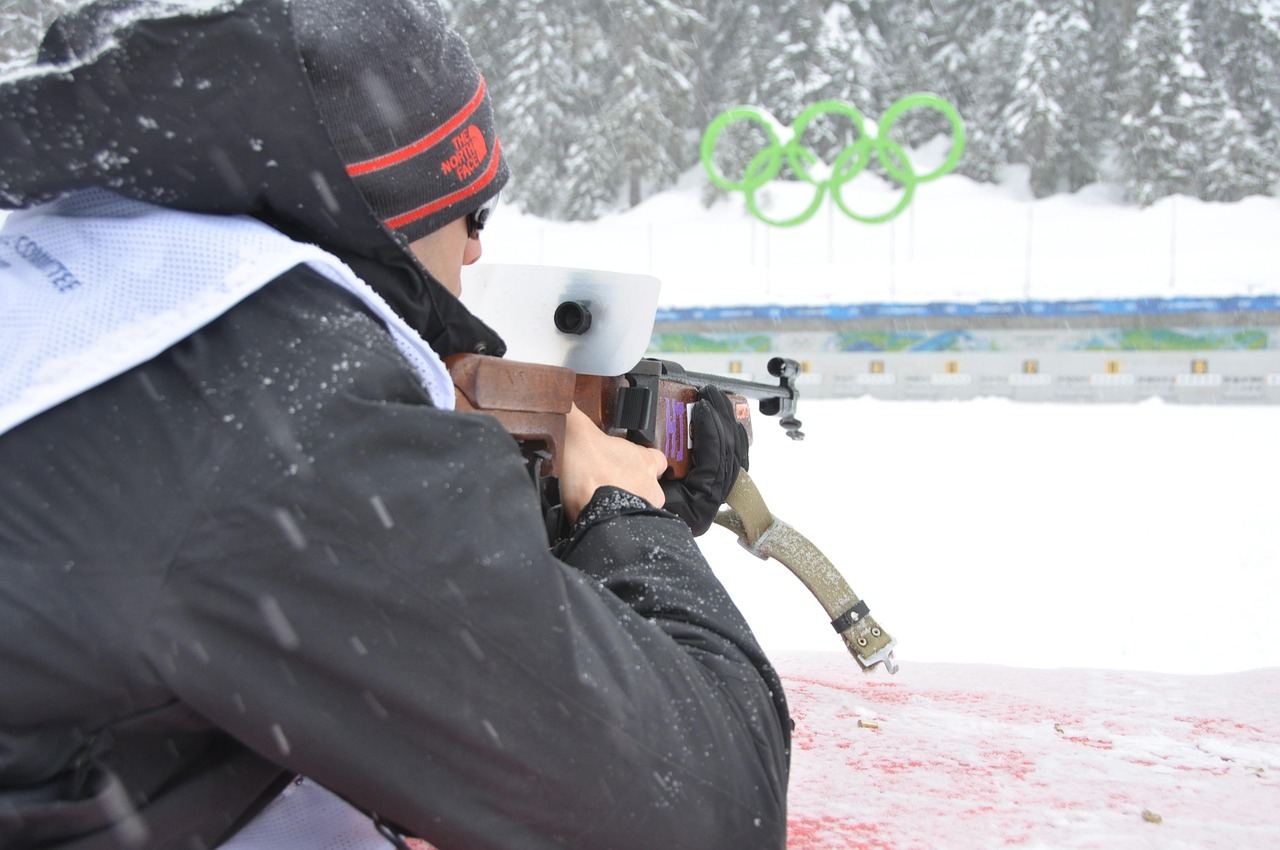
Biathlon is falsely seen as only for elite athletes — local clubs offer welcoming programs for beginners of all fitness levels.
Getting started with biathlon as a beginner offers a unique blend of skiing endurance and rifle shooting precision that can be both exciting and rewarding. It's a winter sport with a twist.
Racers glide across snow, stopping to aim at targets. This mix demands skill and focus.
Testing both body and mind, biathlon is more than just a race.
Biathlon involves alternating between intense aerobic activities like running or roller skiing and precision shooting, where participants execute a series of physical exertion sequences followed by shooting at 50m targets while managing their heart rate and breathing.
Biathlon induces a flow state through rapid shifts from high-intensity exertion to focused calm, while the immediate feedback from shooting results fosters a sense of accomplishment and progression, enhancing engagement and social belonging through competitive elements.
If you think biathlon is exclusive to Olympians or extreme athletes, you're not alone. But that's a limited view.
Being fit and dedicated helps, but the sport is open to anyone ready to learn. Beginners can begin with cross-country skiing and shooting lessons. You just build up from there as you get more comfortable.
Local clubs are a great option.
They often offer beginner-friendly programs to help anyone get started.
The real magic is the camaraderie. Sharing the journey with fellow enthusiasts turns effort into joy. It's a welcoming space that encourages growth at all levels.
Next, discover what gear you'll need to hit the trails.
Your legs burn on the ski into the range. Your poles stab the snow, your breath comes in sharp bursts, and then — you have to stop and shoot. The jarring contrast between those two states is something no description fully prepares you for. Your heart is hammering at 170 beats per minute, your chest heaving, and you're supposed to hold a rifle steady at a target 50 meters away. The first time, almost everyone misses.
The part beginners don't expect is how long the breathing problem sticks around. You assume it'll click after a session or two. It doesn't. The hardest thing in early biathlon isn't the skiing or the shooting — it's the few seconds in between, when you're trying to slow your body down while your body refuses. You'll stand at the mat, rifle up, and watch the front sight wobble like it has a life of its own. That's normal. That wobble is the whole sport in miniature.
Early sessions will also expose gaps in your skiing technique you didn't know existed. Roller skiing on pavement in the off-season is a common entry point, and it's punishing on flat terrain alone. Your first few range visits will feel more like damage assessment than practice — and that feedback is actually useful. Every missed target tells you something specific: your trigger pull, your grip tension, how long you waited after an exhale. The sport gives you data immediately, even when the data is humbling.
Progress in biathlon is slow at first, then suddenly noticeable. The day you hit three out of five targets after a hard ski interval, it lands differently than any gym milestone. That moment — breathless, shaky, accurate — is the one that keeps beginners coming back. Before you reach it, though, there are a handful of common errors that slow nearly every newcomer down. Knowing them in advance saves weeks of frustration.
When to start: Early morning
Duration: 2 hours
Cost to try: $50
Success criteria: if you finished without any major injuries or equipment issues, do session 2.
Most beginners arrive at the range relieved to stop skiing. That relief is the problem. Your heart rate is spiking, your hands are shaking, and you're squeezing the trigger before your breathing settles. Every miss adds a penalty loop — and penalty loops destroy your time.
The fix is deliberate practice off skis first. Train your shooting and your breathing as one system, not two separate things. Practice controlled exhales before you pull the trigger. Do that consistently, and the range stops being a weak point.
New biathletes often go out too fast. It feels good in the first kilometer. By the time they reach the range, they're gasping and can't hit a target the size of a dinner plate. Effort without technique just accelerates exhaustion.
Build your skiing foundation at a pace where you can still hold a conversation. Efficient glide and diagonal stride technique will carry you further than brute effort. Speed comes later — control comes first.
Prone and standing are two completely different shooting positions. Each requires different rifle adjustments, and your natural posture affects both. Beginners often buy or borrow a poorly fitted rifle and then blame their aim when the setup is the real issue.
Use club equipment for your first season. Get coached on both positions before committing to any personal gear. A properly fitted rifle changes everything — it's worth waiting until you understand what you actually need.
Dry-fire means practicing your trigger pull and aim with an unloaded rifle. It sounds tedious. Beginners skip it because there's no visible result — no hole in a target, no satisfying crack of a shot. But this is exactly where accuracy is built.
Ten minutes of dry-fire before bed will improve your groupings faster than most live-fire sessions. It trains your trigger finger to move without disturbing your aim. The progress shows up on race day, not in the practice session itself.
Biathlon has a summer version. Roller skiing replaces snow, and the shooting component stays identical. Beginners who pack up their gear in March restart from near-zero every November. That cycle kills long-term progression.
Summer training doesn't have to be intense. Even one roller ski session and one shooting session per week through the off-season keeps both skills sharp. You'll arrive at your first winter session ahead of where you left off — not behind it.
Start with the US Biathlon Association (usbiathlon.org). They maintain a club finder that lists affiliated training centers and local programs by state. Most clubs welcome complete beginners and run structured intro sessions.
On Reddit, r/biathlon is active and genuinely helpful. It skews toward fans of the World Cup circuit, but training questions and gear advice get real answers fast. For broader cross-country and shooting overlap, r/xcskiing and r/longrange both have members who dabble in biathlon.
Nordic ski centers and biathlon training facilities are your best bet for meeting people face-to-face. Many host roller skiing sessions in the off-season, which doubles as a low-barrier entry point. Search for biathlon clinics at venues like the Craftsbury Outdoor Center in Vermont or the Auburn Ski Club in California — both run beginner programs.
Meetup.com occasionally lists biathlon and Nordic fitness groups depending on your region. Facebook Groups like "Biathlon USA Community" and regional winter sports groups are also worth checking — club announcements and race sign-ups often appear there before anywhere else.
Summer biathlon swaps skis for running shoes or roller skis. You still shoot at 50m targets between physical efforts — the core challenge stays the same.
This is the most accessible entry point for beginners who aren't near snow or want to train year-round. Many clubs run summer programs specifically for newcomers.
Sprint biathlon is the shortest competitive format — a quick ski loop, two shooting stages, then done. Races are over fast, which makes them easy to enter and easier to recover from.
The sprint format rewards people who want competition without committing to a long event.
The pursuit format strings together multiple skiing loops and shooting stages into one continuous race. Missing a target adds penalty time or extra loops — mistakes compound quickly.
Managing heart rate and calm under pressure is what this format is really testing. It's where the mental side of biathlon becomes impossible to ignore.
Relay biathlon is a team event. Each member skis their legs and handles their own shooting, then passes off to a teammate. You're never out there alone.
This format suits people who find community more motivating than solo performance. Clubs run relay events regularly, and they're a natural next step after your first individual race.
The individual format is the longest and most demanding version. You ski multiple loops with four separate shooting stages. Every missed target adds a time penalty directly to your result.
This is the format for athletes who want to measure exactly how far their training has taken them. It's the purest test biathlon has to offer.
For something adjacent, see Alpine Skiing.
For something adjacent, see Freestyle Snowboarding.
If the texture of this appeals to you, 3x3 Basketball is built on similar bones.
Controlling your breathing under physical stress is the skill that separates improving biathletes from ones who stall. Not skiing technique. Not marksmanship. Breath control.
Here's the problem most beginners run into. You ski hard to the range, heart hammering, lungs burning. Then you drop to the shooting mat and try to aim at a 50mm target from 50 meters away. Your rifle is moving with every heartbeat. Your breath is ragged. The shot feels impossible.
The athletes who improve fastest aren't the strongest skiers or the steadiest shooters — they're the ones who learn to calm their body on command. That means training yourself to take one or two controlled breaths the moment you arrive at the range. Slow the exhale. Let your heart rate drop just enough. Then shoot inside that window before exertion catches back up.
This is a trainable skill — not a talent you either have or don't. Practice it during drills, runs, even daily stress. Once it clicks, your targets start falling and your penalty laps start disappearing. The next section covers the gear that makes building this skill possible.
Give yourself four sessions over two weeks — two on skis, two combining skiing with shooting at a range. That's enough to get an honest read.
That pull toward the results — counting targets, replaying your breathing before the shot — is the clearest signal. If you leave frustrated but curious, you're already in. Start looking into a local club with a structured beginner program and commit to the full season.
This is worth paying attention to. Biathlon's core reward lives in that jarring transition — lungs burning, then forced stillness. Before walking away, try one session where you focus entirely on your breathing technique at the range. Some people take three or four attempts before the shooting clicks into something satisfying.
That's useful information. If the cold, the physical demand, and the stop-start rhythm all felt like obstacles rather than the point, biathlon is working against your wiring — not with it. The same flow-state pull exists in trail running, archery, or indoor rowing, where the environment and format might suit you better.
If you catch yourself checking snow conditions or wind forecasts the night before a session, that's not preparation — that's obsession starting. That involuntary habit is biathlon telling you it already has a grip.
Biathlon is one path among many — browse the full hobbies list to weigh it against the rest.
For ideas that take five minutes instead of five weeks, see things to do when you're bored.
You'll need cross-country skis, boots, bindings, a rifle (or air rifle for beginners), ammunition, and biathlon-specific clothing for cold weather. Most clubs offer rental equipment for newcomers, so you don't need to buy everything upfront. Start with basic gear and upgrade as you progress.
Basic competency in both skiing and shooting typically takes 2–3 months of consistent practice. However, reaching competitive levels requires 1–2 years of dedicated training. Most beginners can participate in local races within their first season.
Biathlon combines two demanding skills—cross-country skiing and precision shooting—so it's moderately challenging but manageable for anyone in decent fitness. The learning curve is steep initially, but structured coaching and practice make it accessible. Many clubs welcome absolute beginners and offer beginner-friendly races.
A basic starter setup (skis, boots, rifle, and clothing) ranges from $800–$2,000. High-end competition gear can exceed $5,000. Renting equipment initially costs $30–$60 per session, which is ideal before committing to a full purchase.
Biathlon combines cross-country skiing with precision rifle shooting at designated ranges, adding a shooting penalty component that determines your final time. Ski racing is purely skiing speed, while biathlon rewards both endurance and shooting accuracy. The shooting element makes biathlon uniquely challenging.
Yes—many biathlon clubs accept skiers of all levels and teach skiing skills alongside shooting. Cross-country skiing is easier to learn than alpine skiing, and biathlon training will improve your technique quickly. Starting with beginner or recreational races lets you progress at your own pace.