BoredomBusted — Find Your Next Favorite Thing To Do
Discover hobbies, activities, places, and ideas that spark joy. Whether you're looking for something creative, active, social, or relaxing, BoredomBusted helps you find your next favorite thing to do.
Browse our hobby guides, things-to-do collections, and place ideas to never be bored again.
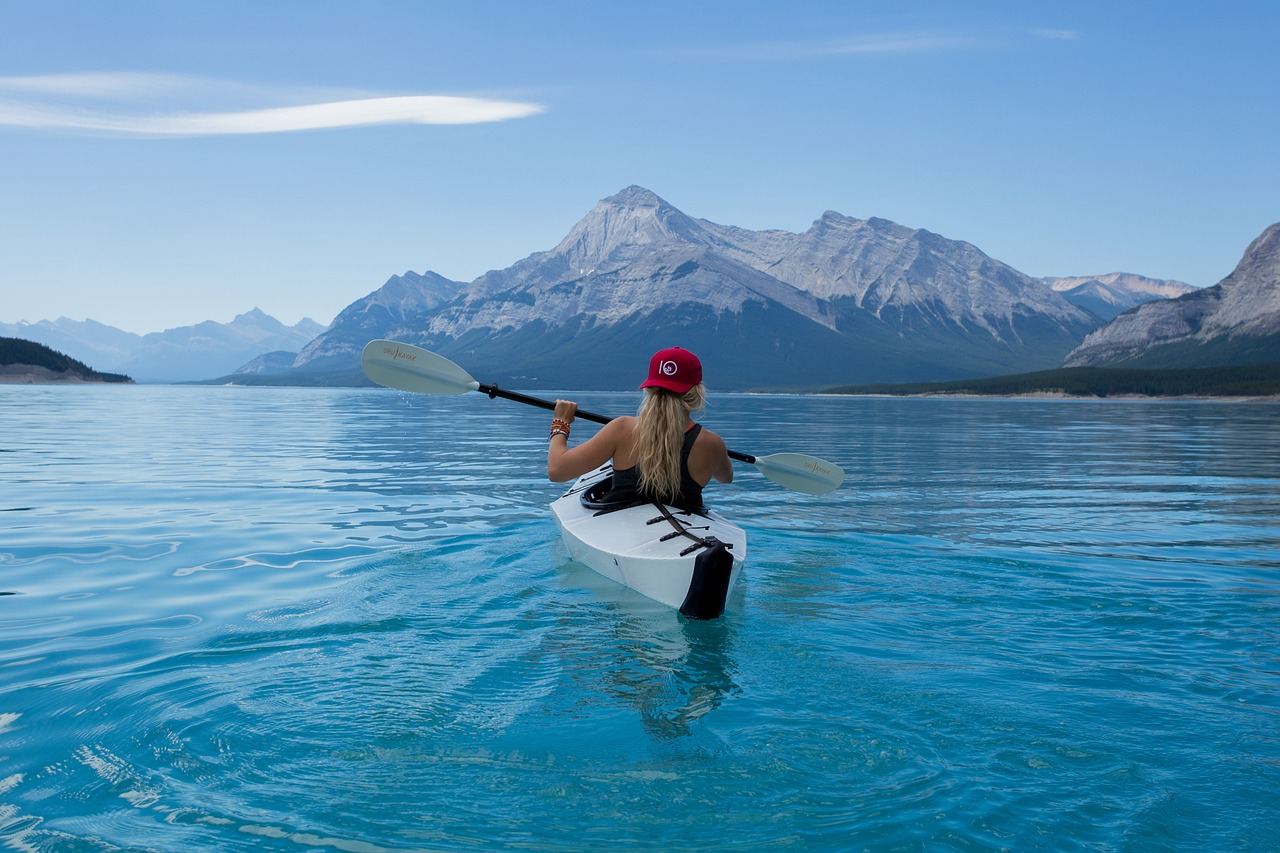
Canoe racing isn't just for outdoorsy types; it's a high-stakes technical puzzle where every stroke can mean the difference between winning and losing.
If you are getting started with canoe racing as a beginner, the thrill of paddling through various water conditions awaits you. Paddlers compete in canoes or kayaks across flat water, whitewater, or ocean courses – racing solo or in crews against the clock or each other.
Unlike recreational paddling, every stroke is a technical decision that determines whether you gain or lose ground.
It's closer to rowing in discipline, but far more about reading water than raw power.
In canoe racing, you engage in repetitive paddling on water, focusing on mastering strokes like the J-stroke and performing techniques such as rudders and draws. You practice flatwater sprints and whitewater handling, often with friends, while developing endurance through attainment workouts, all to navigate courses efficiently.
Canoe racing creates a skill feedback loop where mastering paddling techniques leads to improved boat control and efficiency, providing tangible progress markers that enhance motivation and engagement. The social aspect of the hobby fosters a sense of belonging through community events and shared experiences with others.
You think canoe racing is a niche sport for outdoorsy types who've already mastered paddling. You imagine a calm lake and retired athletes in visors, with low stakes involved. That assumption couldn't be further from reality.
Canoe racing is a technical puzzle and a fitness test. Every stroke angle, rotation, and weight shift counts. The boats are specialized to the point where sprint canoes are difficult to balance without skill. It's a continuous fight between balance, power, and control.
Club-level sprint racing, marathon events, and flatwater circuits exist worldwide. Age categories ensure you're not racing against teenagers fresh out of the Olympics in your first season.
A Manchester club paddler once compared her first sprint race to trying to complete a maths exam while someone tips her chair. She wasn't deterred. She returned the following weekend.
Physical effort. Constant adjustments. A puzzle on the water. That's why enthusiasts don't just dabble—they rearrange their weekends around it
Next: discover what your first session feels like, even before you've mastered a race-worthy stroke.
Canoe racing demands precision and balance, but your first tries won't feel that way. Expect to spin, misjudge your strokes, and lock your hips awkwardly. Balance is the challenge beginners face, long before speed ever becomes a focus.
The more you paddle, the more mistakes you'll notice. Each session might start with frustration as your boat spins sideways when all you wanted was a straight line. Every failed correction teaches balance more than any textbook could.
Rhythm comes around the third session. Moments of clarity pop up between errors, hinting at what a good stroke feels like. Not mastery, but a sense that the movements are starting to talk to you.
Frustration is part of the process. Walking away and returning gives clarity. It's common to struggle through this phase; nearly everyone does. The revelation that keeps paddlers going: it's the inside hand driving the stroke, not the pull of the blade. Often ignored, this insight changes everything.
Next, we'll explore the mistakes that can prolong those early struggles.
When to start: Early morning
Duration: 1.5 hours
Cost to try: $5
Success criteria: if you finished without capsizing, do session 2.
Your knuckles go white because the water feels unpredictable and squeezing feels like control – it isn't, and it will wreck your forearms by lap two.
Loosen your grip so the paddle could theoretically slide out, then let your torso rotation do the actual work.
Most beginners sit on the seat because that's what seats are for – but sitting raises your center of gravity and turns every small wave into a balance problem.
Drop to one knee on the hull with your other foot braced forward, and you'll feel the boat stabilize immediately.
It looks like an arm sport, so beginners use their arms – and they're exhausted before the first straightaway is finished.
Drive each stroke by rotating your shoulders and core first, letting your arms follow as the delivery mechanism, not the engine.
When the canoe drifts, new paddlers just swap sides hoping it corrects – which creates a zigzag that bleeds speed on every single stroke.
Learn the J-stroke on your dominant side instead: finish each forward stroke with a small outward hook that keeps the boat tracking straight without switching at all.
Beginners watch the buoys and plan their line on the map – but they're not reading the current, which is quietly doing half the steering for them.
Before your first race, paddle the course once slowly and notice where the water actually wants to take you, then plan your line around that, not against it.
Canoe racing happens on flatwater lakes, calm rivers, and purpose-built sprint courses. Look for lakes, reservoirs, and river recreation areas near you.
USA Canoe/Kayak's club finder (usack.org) is your direct route to local sprint or canoe slalom clubs. Filter by discipline and get started.
The American Canoe Association's directory (americancanoe.org) adds another layer of options. Search for "canoe sprint club" with your state or city for more leads.
Meetup.com can connect you to smaller groups. Use terms like "paddling club" or "canoe racing" to find informal training meetups.
Your state's paddle sport association is another resource. They organize regional regattas and know every local club.
Introduce yourself by saying, "I'm brand new and want to try sprint racing – do you have a beginner program or someone I can paddle with?"
That one sentence gets you a loaner boat, a coach pointing out your grip is wrong, and an invite to the next time trial. It's the quickest entry into the sport itself.
The Olympic format is about straight-line speed over 200m, 500m, or 1000m. No currents, no obstacles, just you against the clock. If you're new to competitive paddling, start here. The controlled environment helps you measure progress easily.
Boats are purpose-built and narrow, so expect to spend more if you choose race-specific gear.
In Canoe Slalom, you'll navigate a whitewater course with gates against the current. This sport emphasizes precision and water reading over brute strength. **Ideal for those bored by flatwater racing** – the river itself is part of the challenge.
Slalom boats and whitewater gear add cost, so budget more than you would for flatwater setups.
Canoe Marathon means long races on rivers or lakes, with portages on land. These events range from 10km to multi-day expeditions. This suits endurance athletes seeking a racing adventure, not just exercise.
Gear resembles sprint setups, but you'll focus more on efficiency than speed.
A different craft, but often part of canoe clubs, dragon boat racing is a group activity. You race in a team of 20, eliminating the solo competition fear.
It's the easiest variant to try without owning gear, as most clubs provide everything you need.
In Canoe Polo, teams of five play a version of polo in agile kayaks. It's a contact sport involving bumping boats and capsizing players.
Best for people who want competition with a strong team dynamic, not just racing against the clock.
The social scene around canoe polo is notably closer-knit than most paddle sports.
For something adjacent, see Archery Tag.
Another variant that pulls from the same roots is Bouldering.
If this resonates, Free Solo Climbing explores a similar direction.
Beginners often think paddling harder is the key to speed. More strokes, more effort, and yet they're still overtaken. The truth is, power isn't the main lever. It's something much subtler.
Blade exit timing is the skill to master. The trick is pulling the paddle out just as it passes your hip. Delay even a millisecond and the paddle lifts water, dragging you down.
A clean exit means all your energy translates into speed, rather than fighting the water. Nail it, and the boat starts to glide instead of grind.
Commit to six canoe racing sessions over 30 days. That's about one and a half times per week, offering enough space between sessions to truly reflect.
Excited to come back means something more. You may find yourself checking race calendars or getting frustrated when a session is canceled due to weather. This indicates that you're hooked. Consider exploring club memberships and beginner sprint events next, as they can help you advance further.
Feeling indifferent suggests you might need a change. Perhaps solo sessions aren't enough. A single group training session with a club might give you a fresh perspective, as racing alongside others can be a game-changer.
If you didn't want to show up, that's revealing. It's not about being tough. It simply means canoe racing might not be for you. The commitment might not suit everyone, and that's alright.
The sign you can't ignore: you lose track of time watching race footage, not tutorials but races where you're mapping the water and following splits. This fascination with the sport is a strong indicator of genuine interest.
Plenty of people land on canoe racing after browsing the full hobbies list — that's a fine place to start, too.
Initial costs typically range from $300–$800 for a basic racing canoe, plus $100–$300 for paddles and safety gear. Many beginners start through local clubs that offer equipment rentals and lessons for $50–$150 per session, making it accessible without a major upfront investment.
Canoe racing uses specialized lightweight boats, stricter paddling techniques, and competitive courses with timed gates or sprint distances, while recreational canoeing prioritizes leisure and exploration. Racing demands higher cardiovascular fitness and technical precision, making it a more intense sport.
Most paddlers can participate in local races within 3–6 months of regular training, but reaching competitive levels typically takes 1–2 years of consistent practice. Progress depends on natural athleticism, training frequency, and coaching quality.
Canoe racing includes both solo and team events—sprints and slalom courses accommodate individual paddlers, while some racing formats require crews of 2–4 people. Most clubs offer opportunities for both competitive styles.
Beginners can learn basic paddling skills within a few weeks, but racing involves steep learning curves for technique, fitness, and race strategy. Most clubs provide beginner classes to bridge this gap, and starting in recreational paddling first helps significantly.
Racing seasons vary by region but typically run spring through fall (May–September) in temperate climates, with some areas hosting winter races. Check local canoe clubs and regional racing calendars for specific competition schedules in your area.