BoredomBusted — Find Your Next Favorite Thing To Do
Discover hobbies, activities, places, and ideas that spark joy. Whether you're looking for something creative, active, social, or relaxing, BoredomBusted helps you find your next favorite thing to do.
Browse our hobby guides, things-to-do collections, and place ideas to never be bored again.
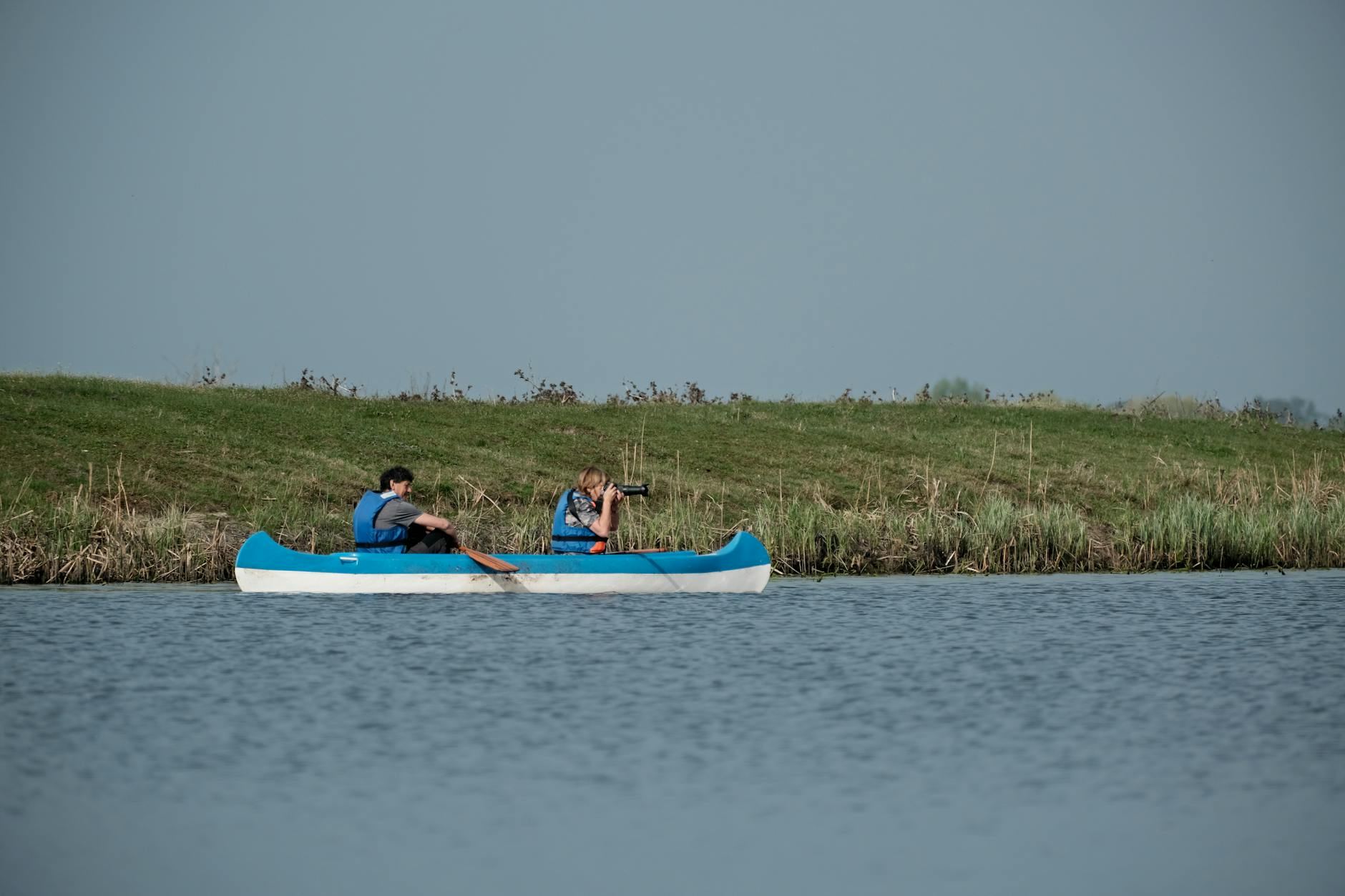
Canoeing is often seen as a peaceful activity, but it actually involves constant problem-solving and precision to stay balanced and efficient.
Getting started with canoeing as a beginner allows you to master the art of paddling while enjoying serene waterways.
Canoeing means reading currents and wind, balancing your weight as the hull responds to every shift.
Most canoeists start on calm water to master basic strokes.
Canoeing involves paddling an open canoe using a single-bladed paddle, executing alternating strokes while maintaining balance in dynamic water conditions. Hobbyists engage their core, back, and arms to propel the canoe, navigate currents, and stabilize against waves, requiring constant coordination and focus. Each outing demands physical exertion and skill refinement, as paddlers adapt their tec…
Canoeing fosters mental stimulation through the need for balance and coordination in ever-changing water conditions, creating a flow state that immerses participants in the experience. The immediate feedback from stroke adjustments enhances skills over time, while the sense of accomplishment from physical milestones and engagement with nature combats feelings of isolation and monotony.
Most people imagine canoeing as a lazy drift on calm waters. But it takes more than casual paddling to navigate successfully.
Staying upright is an art involving constant shifts in weight and precise control. The canoe's high sides make it unstable, requiring you to read currents and adjust with each stroke.
Imagine Marco's first paddle trip. He found out quickly that his canoe wasn't just floating; it danced with the water, demanding his full attention to stay balanced.
Balance, awareness, precision. These turn a simple river journey into a true adventure, showing canoeing's real challenge.
Ready to explore what makes canoeing captivating beyond the balance test?
The canoe feels unsteady and unpredictable. Kneeling properly without tipping takes practice. Leaning away from the wobble only makes it worse.
Your arms tire quickly. The paddle stroke demands more than just strength; it calls for torso rotation. Veering sideways is common until this movement becomes more natural.
Unexpected sounds fill the air: water slapping, your breathing, the boat's creak. It's nothing like the serene glide you pictured.
Then, you find a rhythm. With a friend in the bow, the canoe straightens out, and you notice the current actually helping instead of resisting. This shift feels unique, unlike any other sport.
When to start: Early morning
Duration: 2 hours
Cost to try: $30
Success criteria: If you finished without capsizing, do session 2.
Many newcomers perch wherever feels convenient, not realizing the impact on stability. This can lead to unnecessary capsizing or loss of control.
Position yourself properly in the canoe to maintain balance. Sit closer to the center or stern depending on conditions and experience level.
Beginners often don't realize that steering requires more than just paddling forward. Ignoring this means zigzagging unproductively down the water.
Invest time in mastering paddling techniques to steer effectively. Practice strokes like the J-stroke or draw stroke regularly.
It's tempting to grab the most affordable option, but this can result in a canoe unsuited to your adventures or skill level.
Select a canoe based on your actual needs and intended use. Research different types and consult experts if needed.
The first battle is getting in without toppling the whole setup. Many beginners leap in awkwardly, risking a swim before they start.
Learn proper techniques for entering and exiting safely. Practice on stable ground first if possible.
Rookies often undervalue the importance of proper transportation techniques. This can lead to the canoe flying off mid-journey.
Master tying methods like the trucker's hitch for secure transport. Ensure your vehicle is equipped properly for carrying a canoe.
Canoetripping.net Forums buzz with canoeing plans for 2026. Members discuss destination trips like Pennsylvania's WPSCR and the Adirondacks.
Join the American Canoe Association at AmericanCanoe.org to meet diverse paddling enthusiasts. They offer safety tips, events, and stewardship opportunities that make connecting with fellow paddlers easy.
Start conversations by being honest about your canoeing experience. Show genuine interest by expressing your paddling preferences and asking for advice.
For specific subreddit names or Discord servers, do additional research to find these active platforms.
Great for beginners who love nature's peace.
Recreational canoeing is about easy paddling on tranquil lakes or gentle rivers. These canoes emphasize stability, making them perfect for photography, birdwatching, or just a relaxed day on the water.
For paddlers ready to tackle the challenges of moving water.
Whitewater canoeing means navigating fast streams and rapids. These canoes are built for maneuverability, featuring high rockers and strong materials to withstand hits and waves.
Ideal for those who crave long adventures in nature.
Touring canoes are built for endurance, carrying gear for multi-day expeditions. They focus on cargo space and efficiency, perfect for exploring remote waters.
For experienced paddlers aiming for speed and precision.
Racing canoes are sleek and fast, used in flatwater and whitewater competitions. They're incredibly light and narrow, designed for speed over stability.
Combines paddling with outdoor hobbies like fishing and photography.
Sport canoeing offers a stable platform for fishing and nature photography. Easy to maneuver, these canoes cater to those focusing on outdoor activities.
If the texture of this appeals to you, Day Hiking is built on similar bones.
A close neighbor worth considering: Camping.
Most beginners think it's all about paddling harder. They focus on force instead of finesse.
The J-stroke, with its subtle hook at the end, changes everything.
Master this technique and solo paddling becomes much easier. You gain the ability to steer through tight passages and take longer trips with ease, not draining yourself fighting the canoe's natural drift.
This hobby is for you if you: - You'd rather spend money on gear and trip planning than on experiences that require constant admission fees - You can tolerate being wet, cold, and uncomfortable for hours without it ruining your day - You prefer activities where your phone has no signal and you're genuinely okay with that It's probably not for you if: - You get anxious about being far from help or in situations where you can't easily turn back - You need immediate results or measurable progress to feel like your time was worthwhile - You live somewhere landlocked and view water activities as occasional tourist things, not regular pursuits
Not ready to pick a hobby yet? The boredom busters page has smaller things to try first.
Getting started with canoeing typically costs $300–$800 for a basic canoe, paddle, and personal flotation device (PFD), though you can rent equipment for $20–$50 per day if you want to try it first. Many beginners rent initially to determine if they enjoy the sport before investing in their own gear.
Canoeing suits a wide range of fitness levels—it's adaptable from leisurely paddles on calm lakes to more intense river expeditions. You don't need to be athletic to start; the activity gradually builds upper body and core strength while being easy on joints, making it accessible for most ages.
You can learn basic paddling techniques and water safety in a single 2–3 hour lesson, giving you enough confidence for calm-water trips. Most paddlers develop solid intermediate skills within a few outings (4–6 trips), though mastering advanced techniques takes longer.
Canoeing is very safe for beginners when you follow basic precautions: wear a properly fitted PFD, start on calm water, check weather conditions, and ideally take a lesson or go with an experienced paddler. Capsizing is manageable in warm, shallow water and is actually part of learning the sport.
Canoes have an open top, you kneel or sit on elevated seats, and use a single-bladed paddle. Kayaks have a closed cockpit, you sit low with legs extended, and use a double-bladed paddle—kayaks tend to be more stable for beginners, while canoes offer better load capacity and easier entry.
Canoeing works for both solo paddling and group outings, giving you flexibility based on your mood. Many people enjoy the meditative solitude of solo paddling, while others prefer guided tours or paddling with friends and family for social adventure.