BoredomBusted — Find Your Next Favorite Thing To Do
Discover hobbies, activities, places, and ideas that spark joy. Whether you're looking for something creative, active, social, or relaxing, BoredomBusted helps you find your next favorite thing to do.
Browse our hobby guides, things-to-do collections, and place ideas to never be bored again.
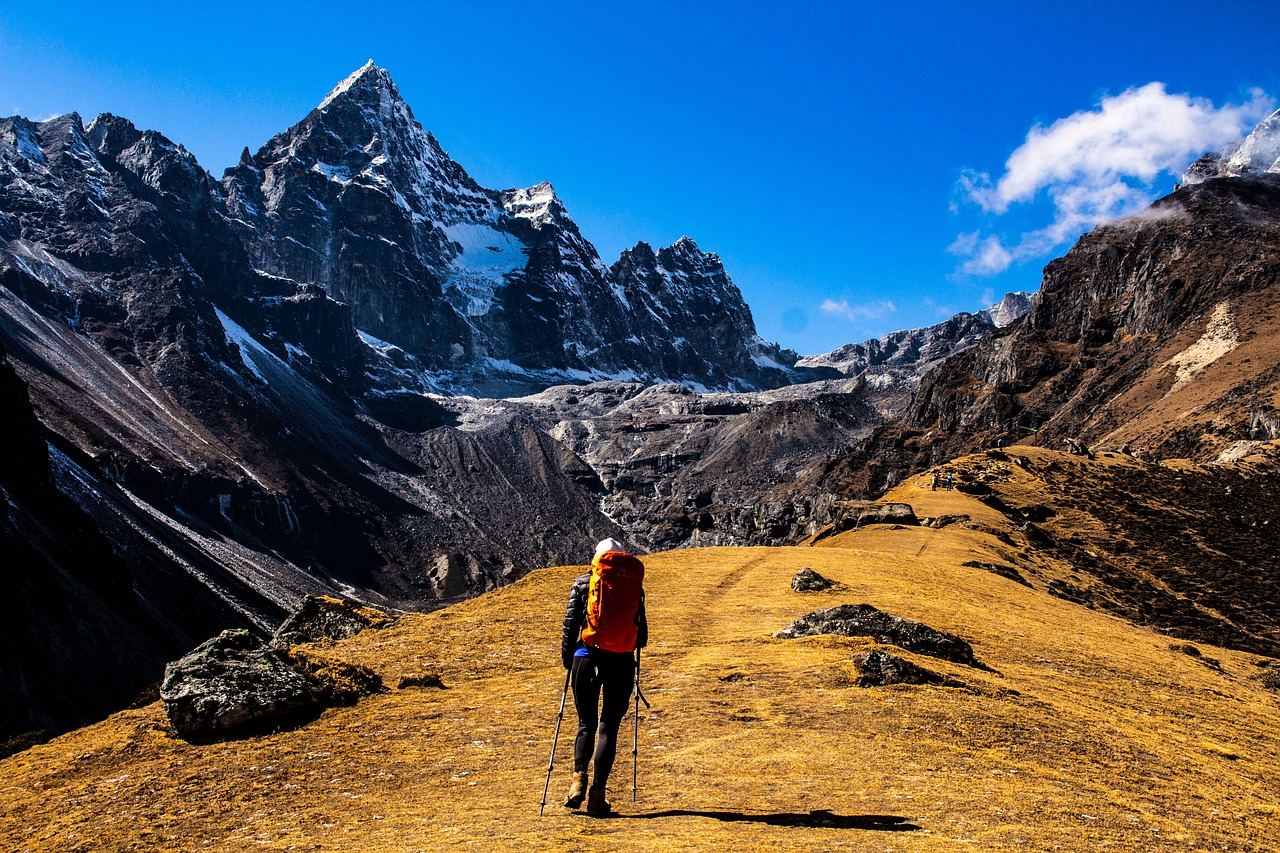
Day hiking isn't just walking; it's a mental game that challenges your decision-making every 20 minutes, reshaping your sense of time and enjoyment.
Getting started with day hiking as a beginner is an accessible way to enjoy nature without the need for extensive equipment or planning. Day hiking means walking a trail and returning home the same day – no campsite, no overnight gear, no logistics beyond your pack and your route.
Unlike backpacking, you're not managing survival. Unlike walking, you're choosing terrain with intention.
The challenge is the point, not a side effect.
Day hiking involves walking along designated trails in natural environments for 2-12 hours while carrying a lightweight daypack with essentials, navigating varied terrain, and pacing yourself through physical challenges like ascents and descents, often stopping to hydrate and take in the scenery.
Day hiking induces a flow state through rhythmic movement on varying slopes, creating an optimal engagement where self-consciousness fades; the novelty from unpredictable terrain and the sense of accomplishment from summiting peaks provide immediate feedback, reducing mental drift and enhancing motivation.
You think day hiking is just walking. Outdoor walking, with slightly better shoes and a vague sense of virtue afterward. That's exactly why many find themselves underprepared, miserable, and convinced hiking "isn't really their thing."
Day hiking isn't just walking. Every 20 minutes, you're reading conditions, managing energy, and choosing whether to push or turn back. These decisions are what make hiking a mental sport and where the addiction comes from.
The physical demand adapts to you. A 3-mile loop and a 12-mile ridge route require different levels of practice, not different abilities. Most people miss that hiking changes how you experience time. Two hours on a trail pulls your attention outward, unlike a treadmill.
A friend of mine assumed a trail was "a walk" and brought only AirPods and a half-empty water bottle.
Four miles in. On a shadeless ridgeline. At noon in July. She wasn't bored anymore. She was solving a real problem with whatever she had on her, and now she's the friend who actually knows what to bring.
Gear decisions overwhelm most beginners. The next section will show you what really matters.
Watching someone summit a ridge in golden light looks effortless.
Your first trail will not look like that.
It'll look like heavy legs, wrong turns, and wondering why your backpack straps are already digging in at mile two.
Feet complaining. Pace humbling. Lungs louder than expected. **Scenery still worth it.
Week 1 surprises you with sore hips and calves you forgot existed. That's the body's reality check after the trail.
In Week 2, you'll miscalculate the summit time and realize "moderate" trails can be deceiving, especially if you skip checking elevation gain.
By Week 3, pacing starts to make sense. You'll stop power-walking and wonder why no one tipped you off earlier.
Week 4 ends with you searching for a longer trail. **Something shifted in you without your noticing.
It's not a bad sign – it's just what real distance feels like before your legs learn to negotiate with it. This simply means your body is adapting.
Elevation gain matters more than mileage. A 5-mile trail with 1,800 feet of gain will surprise you more than an 8-mile flat path. Trail apps usually show this, but many beginners overlook it until they're in over their heads.
When to start: Early morning
Duration: 1-2 hours
Cost to try: $10
Success criteria: If you reach the trailhead, hike at least 30 minutes, and return with water left and no lost-turns, do session 2.
Shiny new hiking boots feel like the obvious starting move – but unbroken leather on a 6-mile trail is a blister factory.
Wear your boots on errands, commutes, and around the house for at least two weeks before any real mileage.
Five miles sounds easy until it's 5 miles with 1,800 feet of elevation gain.
Filter trails by elevation gain, not just length – aim for under 500 feet per mile until you know your legs.
Thirst is a lagging indicator – by the time you want water, you're already behind.
Bring 0.5 liters per hour of expected hiking time, then add one extra liter as a buffer.
Beginners plan for the summit and forget the way back takes real time too.
Budget your turnaround point at half your total available time, not half the total distance.
Dead battery. No signal. Sudden fog.
Download the offline map on AllTrails before you leave the car – it works without service and costs you 30 seconds.
Day hiking happens on trails – national parks, state parks, national forests, and local nature preserves all work.
You don't need a permit, a membership, or a trailhead that looks like a magazine cover.
Tell the group leader you're new and ask which hike on the schedule fits a first-timer – you'll get routed to the right distance before you accidentally sign up for 12 miles.
That one sentence also tends to get you paired with someone who actually knows the trail, which is worth more than any gear you'll buy this month.
Choose a list of summits and tackle them one by one. The focus becomes the collection, which can either drive you or kill the joy of hiking altogether.
Those who need structure to keep motivated will benefit. Expect elevation gain and longer commutes without needing extra gear.
Explore city neighborhoods, staircases, and parks instead of traditional trails. Distance and elevation still matter—
perfect for city dwellers who want the miles without the wilderness hassle.
Jogging on flatter trail sections shortens your time outdoors. Ideal if scheduling is your biggest barrier.
Experience seasonal trails in snow and ice, with reduced daylight and weather risks. Many beginners misjudge this one, resulting in trouble.
Suited for seasoned hikers ready to take their skills up a notch.
Think of this as a day hike on steroids—moving quickly over long distances with minimal gear.
Strong hikers seeking to push their limits without a full backpacking commitment will find this appealing.
If you want a related angle, Thru Hiking is the natural next stop.
Readers who enjoy this often gravitate toward Camping next.
If you want a related angle, Canoeing is the natural next stop.
Readers who enjoy this often gravitate toward Camping next.
If you want a related angle, Canoeing is the natural next stop.
If the texture of this appeals to you, Landscaping is built on similar bones.
Most beginners focus on gear—boots, poles, packs—wondering why they hit a wall at mile six.
Gear isn't the issue. Pacing is.
Effort-based pacing is key. Use perceived exertion to hike at a pace where you can speak a full sentence without losing your breath. It's not a walk in the park or an uphill sprint.
That conversational edge is the sweet spot, where your aerobic system manages long hours without burning out quickly.
Pace right, and long climbs don't punish—your legs still work afterward.
Miss it, and you'll go too fast early, leaving you to slog through the rest. This makes the trail feel harsh and discourages return visits.
Four hikes in a month. Space them out with one hike per week to balance regularity with freedom.
Thinking about your next hike before finishing the current one means more than enthusiasm—it means it's sticking. Instead of rushing to buy gear, focus on exploring longer trails as your next step.
If the hikes left you indifferent, don't assume that's final. Add two more outings, but mix up the terrain. Swap flat paths for hilly ones to truly test your interest. Staying neutral on more diverse trails is a clearer answer.
If you were counting steps to get back to your car, be honest with yourself. Not everyone enjoys nature for its own sake, and no boots can fix that.
The hint it's for you: you keep checking hiking trails nearby, maybe took a screenshot. That low-key curiosity is what this test sorts out.
If day hiking sounds close but not quite right, our hobby list might surface something better suited.
If day hiking sounds close but not quite right, our hobby list might surface something better suited.
Most day hikes range from 2–6 hours depending on distance, elevation gain, and your fitness level. Beginners should start with shorter trails (2–3 miles) that take 1–2 hours, while more experienced hikers can tackle longer routes with steeper terrain.
At minimum, you'll need comfortable hiking boots or shoes, a backpack (15–20L), plenty of water, snacks, and weather-appropriate clothing in layers. Add a map or GPS, first-aid kit, and sun protection as you progress.
No—day hiking is accessible to most fitness levels because you can choose trails that match your ability. Starting with flat, well-maintained paths under 3 miles lets you build endurance and confidence before tackling more challenging terrain.
Day hiking can be nearly free if you use trails on public land and already own basic shoes and a backpack. A quality pair of hiking boots ($80–$150) is the main investment, though many hikers start with regular athletic shoes and upgrade over time.
Spring and fall offer mild temperatures and fewer crowds, making them ideal for beginners. Summer works well in cooler regions, while winter hiking requires special skills and gear—save that for after you've built experience on established trails.
Both are valid, though many beginners prefer hiking with others for safety and motivation. If hiking solo, always tell someone your planned route and expected return time, stick to well-marked trails, and carry a phone and map.