BoredomBusted — Find Your Next Favorite Thing To Do
Discover hobbies, activities, places, and ideas that spark joy. Whether you're looking for something creative, active, social, or relaxing, BoredomBusted helps you find your next favorite thing to do.
Browse our hobby guides, things-to-do collections, and place ideas to never be bored again.
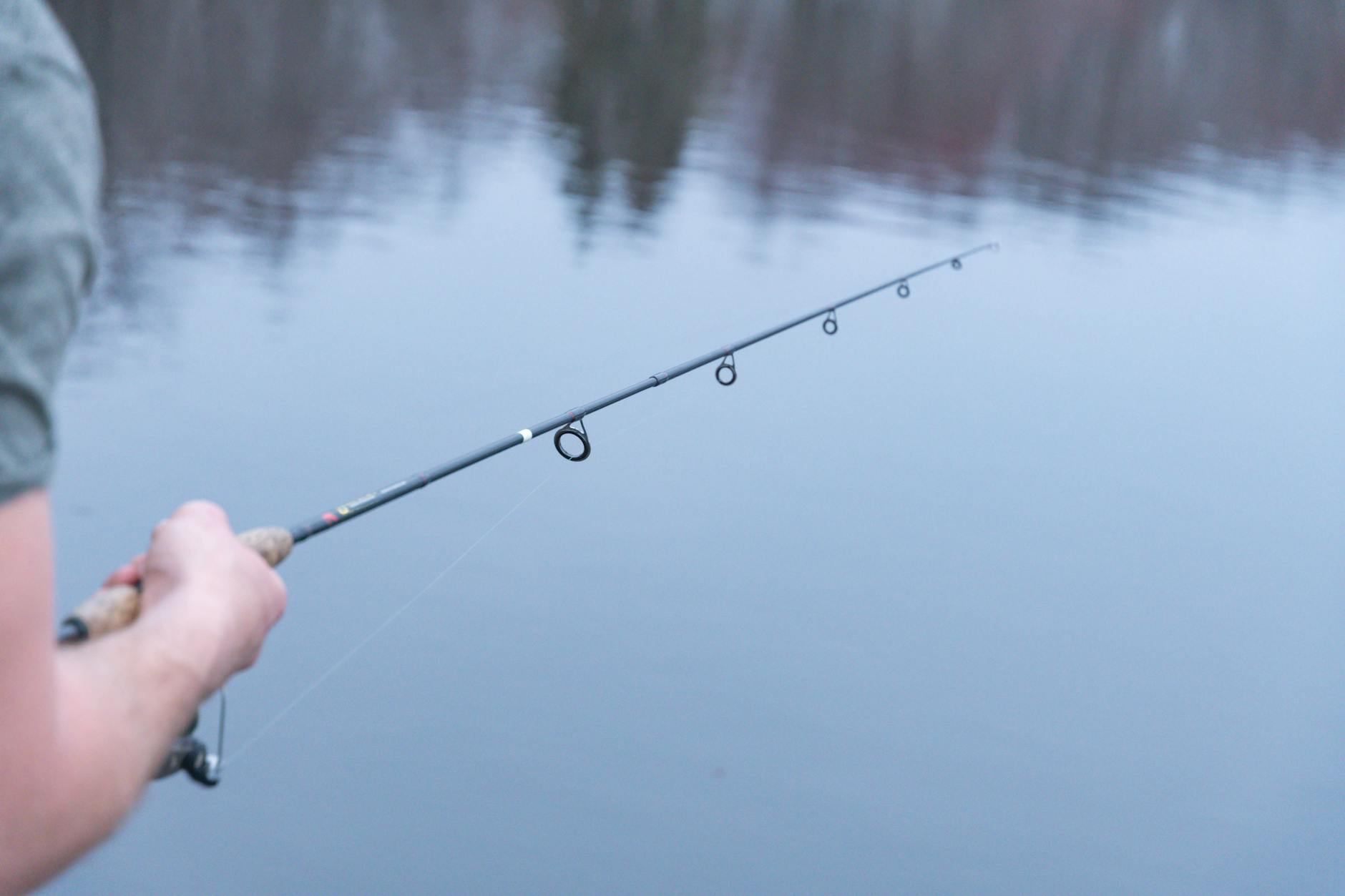
Carp fishing isn't just a waiting game; it's strategic observation and technical gear setup that transforms anticipation into an active hunting mindset.
Getting started with carp fishing as a beginner involves learning the strategies to target one of the wariest freshwater fish with specialist rigs and bait.
Cast your baited hook to a promising spot.
Wait for the bite alarm. It signals when a fish finds your bait irresistible.
It's a world built around outsmarting carp. From gear to strategy, every aspect is unique to this pursuit.
In carp fishing, hobbyists engage in extended sessions by the water, observing for signs of carp, baiting specific zones with boilies or pellets, and casting their lines while monitoring bite alarms, all while adapting their strategies based on fish behavior and environmental cues.
Carp fishing creates a flow state through continuous observation and adaptive decision-making, allowing anglers to engage in a feedback loop where actions based on visual cues yield tangible results, fostering a sense of mastery and accomplishment.
You think carp fishing means sitting bored on a chair, staring at water, waiting endlessly. Essentially: bored people fishing for boredom. That viewpoint is deeply wrong.
Picture this on a busy day-ticket lake in the UK. You're walking the banks with polarized glasses, searching for rolling fish and bubble trails.
Then you consider where to cast based on your observations.
Rod movement is deliberate, only when absolutely needed.
At 2 a.m., when the alarm blares and you're snug in your bivvy's sleeping bag,
it's not a surprise; it's a victory for your strategy.
Wondering about the costs and necessary gear for your first trip? The next section breaks it all down.
You won't find tranquility on your first outing. Expect lots of time sitting, second-guessing your setup, and wondering if your rig is even correct.
The first day isn't about catching fish; it's about facing knots and confusion. After three hours retying a knot, you might hear your bite alarm once. A fluke tench might remind you of what you forgot—maybe an unhooking mat. And then, a quiet drive home, reflecting on what was learned.
Expect to focus more on setting up than on fishing during your first week. Don't worry—most beginners underestimate how crucial it is to prepare their equipment.
In your second week, a missed run might haunt you for days. But that's all part of the learning process.
By the third week, you'll notice consistency in your casting, making your swim choice feel less random. You'll slowly stop reacting to every beep like an emergency.
Your fourth week may or may not bring you your first carp. But more important, you'll understand what went wrong and why, reinforcing that true learning is happening.
Matching your hook size to your bait instead of the fish you're targeting changes the game. Beginners often choose a size 4 hook with a 10mm boilie, thinking big hook means big carp. This mistake results in fewer bites and poor presentations as fish get confused and drop the bait before the alarm sounds.
No bites.
No bleeps.
Just wind.
This unseen part of fishing is actually crucial. The anglers who stick it out during these silent, windy moments are the ones who eventually pull in stories worth sharing.
When to start: Early morning
Duration: 2 hours
Cost to try: $20-$30
Success criteria: if you finished without catching a fish, do session 2.
Carp use open water like a highway. It's not where they hang out to eat. Patrol routes form along margins, near weed beds, and around snags.
Start your session targeting features like the far bank margin or lily pad edge within 30 metres. You'll reach fish feeding zones before venturing into open areas.
Beginners often think more bait equals more fish. In reality, a kilo of boilies can ruin your chances in new water before you even get a bite.
Start with just 10–15 boilies around your hookbait. Increase only if fish start feeding actively there.
A standard bottom bait doesn't just sit pretty. It gets lost in silt, unseen by the carp you're trying to catch.
Use a pop-up or wafter rig on soft lake beds. Drop a bare lead first to gauge sink depth.
Mono line stretches, which feels safe until a carp hits a snag. You've no direct feedback and can't control it as needed.
Switch to 15–20lb braid for your mainline. Pair it with a short fluorocarbon leader to maintain control around structure.
Beginners often tighten the clutch thinking it leads to better hook-sets. In reality, it snaps light rigs and the carp can shake off easily.
Set your clutch so the spool gives line under firm thumb pressure. Let the carp hook itself against the lead weight.
Commercial fisheries are your easiest entry point. They're stocked and managed for beginners.
Tell the fishery owner you're starting out. This usually gets you helpful advice and attention.
Instead of fishing the bottom, you float a bait right on top. Bread, dog biscuit, cork ball — watch the carp take it visually. Ideal for beginners wanting quick action without splurging on expensive gear.
You move around the bank actively, spotting fish before you cast. It returns carp fishing to its instinctive core. Ideal for active anglers tired of sitting idly.
Carp feed heavily after dark, so overnighters consistently outperform day sessions. You'll need gear like a bivvy and bedchair, with costs ranging from £150–£400.
Competitive, timed, and scored by total weight. You must fish fast and adapt constantly. Less meditative than specimen hunting; it's tactical and perfect for those who need a deadline.
It's genuinely hard, combining fly casting with the challenges of a wary fish. A logical next step if you've fly fished for trout and need a new challenge.
If this resonates, Fly Fishing explores a similar direction.
Readers who enjoy this often gravitate toward Night Fishing next.
Surf Fishing lives in the same world — different mechanics, similar appeal.
Most beginners obsess over bait choice – better boilies, better flavours, better rigs. The bait isn't the problem.
The placement is.
Success hinges on identifying carp patrol lines. This means spotting the paths carp tread through the water repeatedly. Position your bait on these lines, not just where it looks appealing.
Carp aren't random at all. Their movement follows predictable patterns shaped by changes in depth, features along margins, wind direction, and feeding history. Once you uncover these patterns, you're not just hoping for bites, you're actively intercepting carp.
A mediocre bait in the right spot outperforms the best rig in the wrong location. Without recognizing patrol lines, you're basically fishing at random and can't understand why others succeed with similar gear.
Every other skill – rig mechanics, bait selection, casting accuracy – becomes more effective when applied on the right strip of water.
Plan for four carp fishing sessions over 30 days. Once a week works for most and shows whether you enjoy the pace or not.
If you're replaying every cast and planning upgrades between sessions, you're probably hooked. Start looking at a second rod and consider a season ticket at a local syndicate.
If each trip was just okay and you'd maybe go again, pause and reflect. Carp fishing suits those who find the waiting like meditation, not just okay. Try one more session in a new spot before investing in more gear.
If you couldn't stop checking your phone and wanted out, that's telling. Carp fishing rarely offers quick thrills. It's about stillness and quiet days by the water.
Scrolling through late-night carp fishing videos means something. That pull toward calm lakes and early-morning solitude often signals you've found the right match.
Curious what else is out there? Skim our list of hobbies for ideas that go in a different direction.
You'll need a fishing rod, reel, line, hooks, and bait—carp are attracted to corn, pellets, or boilies. A basic starter setup costs between $50–$150, and you'll also need a fishing license valid in your area. Most beginners find it helpful to fish at well-stocked ponds or lakes with established carp populations to build confidence.
Catching your first carp can take anywhere from a few hours to several days, depending on location, bait quality, and fishing conditions. Patience is essential—carp can be cautious feeders, so waiting quietly for 2–4 hours at a time is common. Starting at dawn or dusk typically yields better results.
Carp fishing has a moderate learning curve—it's easier than fly fishing but requires understanding bait presentation, water temperature, and fish behavior. The main challenge is patience rather than technical skill; most beginners can land a carp within their first few trips with proper guidance and realistic expectations.
Beginner-friendly carp typically range from 5–15 pounds, though this varies by location and season. Smaller carp are more active and less cautious, making them ideal for learning proper technique. As your skills develop, you can target larger specimens, which can exceed 30 pounds.
Carp fishing is relatively affordable—initial gear investment is $50–$300, with minimal ongoing costs beyond bait and fishing licenses (usually $20–$50 annually). Unlike boating or golf, you don't need expensive season passes, making it accessible for budget-conscious hobbyists.
Spring and fall offer ideal conditions with moderate temperatures and active carp feeding, making them perfect for beginners. Summer works too, though carp are less active in midday heat. Winter is possible but requires more patience and specialized techniques, so it's better to start when conditions are more forgiving.