BoredomBusted — Find Your Next Favorite Thing To Do
Discover hobbies, activities, places, and ideas that spark joy. Whether you're looking for something creative, active, social, or relaxing, BoredomBusted helps you find your next favorite thing to do.
Browse our hobby guides, things-to-do collections, and place ideas to never be bored again.
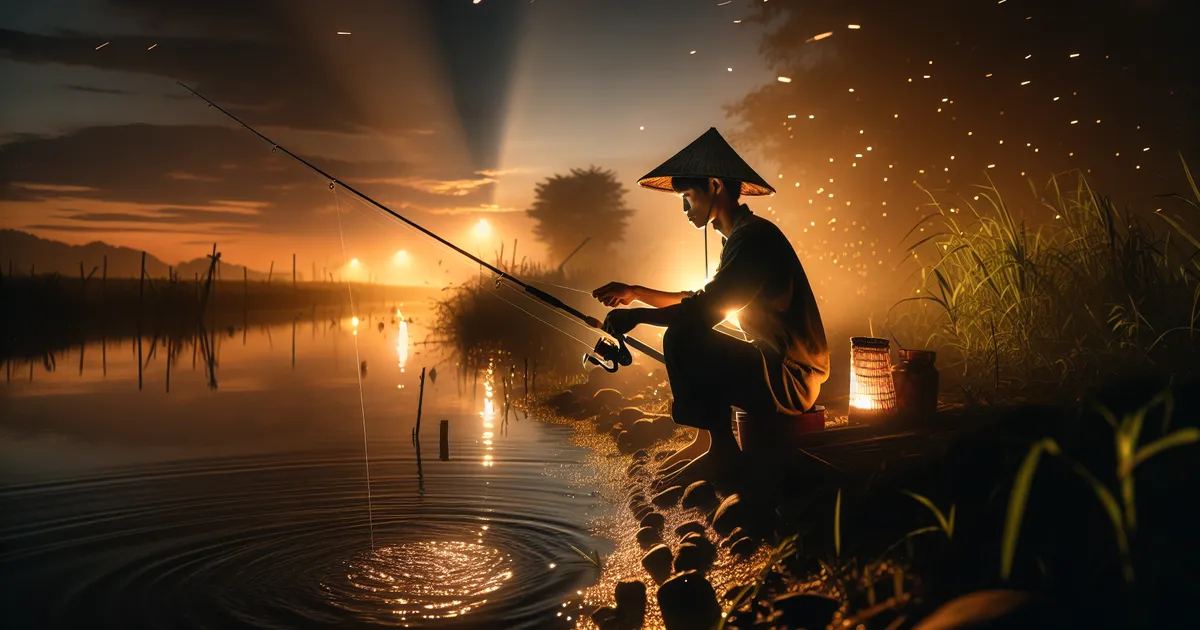
Night fishing isn't just about darkness — predator fish like walleye actively hunt the shallows, making your catches far superior to daytime fishing.
Getting started with night fishing as a beginner opens up a unique opportunity to target fish between dusk and dawn. That window is when certain species feed most aggressively.
The gear is the same — rods, reels, bait or lures. But darkness shifts fish behavior. Nocturnal feeders like catfish, bass, and walleye become far more catchable once the sun drops.
The fish aren't the only challenge here — you're also doing everything in near-total darkness, and that changes how you prep, how you move, and how fast mistakes happen.
In night fishing, you arrive at a chosen location like a pier or beach before sunset to set up your gear, then cast lines into dark waters from various platforms while focusing on nocturnal species like catfish and bass, using techniques that rely on touch and sound to detect bites, often moving locations if you're not getting action.
Night fishing creates a flow state through immersive tactile feedback from rod vibrations and strikes in low light, offering incremental skill feedback as you adapt techniques for nocturnal conditions, while the solitude and unpredictability provide a unique escape from daytime routine, fostering both reflection and a sense of accomplishment.
Night fishing seems like regular fishing with worse visibility. So why bother? Maybe it's just a vibe thing for people who enjoy the quiet darkness. You picture a lawn chair, a thermos, and a lot of waiting.
Predator fish like bass and walleye become active hunters at night. In the cool shallows, you aren't sitting idle, waiting for a bite.
Without boat traffic or surface glare, fish let their guard down. They strike harder and faster than during any sunny afternoon.
Your senses adjust quickly. Sound travels further over still water, and you notice even subtle line movements.
A walleye angler fishing a reservoir at 11pm in late July will catch more than those who came earlier. The fish are built to feed in low light, and he arrives when they're ready to bite.
Night fishing requires different gear than a Saturday afternoon trip. That's a common mistake many make right from the beginning.
Night fishing videos make it look easy. Everything glows, looks organized, and fish seem to appear right on cue.
Your first outing will feel like you're in the wrong place. That confusion is normal, but it won't last.
In the dark, your line gets tangled when you least expect it. You'll pick the wrong lure, misinterpret splashes, and cast toward sound instead of structure.
Feeling like the only novice at the water's edge isn't unusual.
Shift happens as you spend more nights out. You start reading water by moonlight, learning which rigs work, and finding comfort in the quiet. Landing that one fish—after a patient forty-minute search—brings you back again and again.
The first week is mostly untangling knots in the dark. By the second week, sounds start making sense and the water becomes informative rather than intimidating. The third week brings your first real decision about your setup—probably incorrect, but it's progress.
By week four, you'll find patience and notice you've stopped checking your phone.
Moments of stillness on the bank can feel pointless initially. That's when most give up, yet it's just when clarity develops—you've quieted enough to truly observe.
Bring a headlamp with a red-light mode. White light disrupts your night vision and startles fish. Red light keeps everything calm.
When to start: Evening
Duration: 1.5 hours
Cost to try: $15
Success criteria: if you finished without catching a fish, do session 2.
Arriving at dusk might seem like you have more time, but you don't. Everything becomes harder to set up in the dark.
Prepare your gear before sunset. Get your rods ready, tie your knots, and sort your tackle box while you can still see.
Lures in natural greens and browns that work during the day become invisible in low light. Fish can't track them.
Use dark silhouette lures. Black or purple lures create contrast, and rattles help fish find them by sound.
A bright white flashlight ruins your night vision. It also scares fish near the surface.
Opt for a red-light headlamp. Point it at your hands, not the water, to avoid startling fish.
Beginners often stay in spots where they caught fish during the day. But fish shift to shallower feeding zones at night.
Focus on structure at 2–6 feet. Points, channel edges, and dock lights attract baitfish when temperatures drop.
Launching your casts far seems effective, but it's misleading.
Check the water within 15 feet first. Fish hunt near cover and structure. Move outward only after hitting close spots to avoid casting past the strike zone in the dark.
Night fishing happens wherever there's water—freshwater lakes, river banks, coastal piers. But it's not just about finding water; it's about access after dark, which can be tricky to confirm.
Start by searching "night fishing syndicate + [your county]" on Google. Syndicates lease specific waters and usually have the scoop on night permits.
Fisheries.co.uk for the UK and Takemefishing.org for the US provide listings of clubs. Filter by venue type and find direct contact info for memberships.
Check Facebook groups like "carp fishing [your town]" or "after-dark fishing [your state]". These groups react quickly, sharing reports and tips.
In the UK, the Angling Trust at anglingtrust.net lists clubs offering night permits with membership. It's a direct path to local night fishing opportunities.
Introduce yourself with, "I'm new to night fishing and looking to learn the rules before I fish." This leads to learning local permit details, area tips, and often, an invite to join a seasoned angler.
You stay stationary with dock and pier fishing. There's no boat or wading involved. Just a lit structure and whatever swims beneath it. Light attracts insects, insects attract baitfish, baitfish attract predators. This is the most accessible night fishing option by far.
Perfect for newbies not keen on navigating dark, unfamiliar waters.
Kayak night fishing lets you move silently on the water. The low profile and silence give you a real edge on pressured fish. Cover ground that dock fishers can't reach.
Best for those comfortable on a kayak during the day – the dark isn't the time for capsize practice.
Clip-on navigation lights are legally required in most states, costing $15–30.
Bank fishing with glow rigs involves casting into the dark from shore. Use soft plastics or spinners with glow-in-the-dark bits. Best for people who want mobility without a boat.
It's low-cost and especially effective when bass and catfish move into shallow waters during the summer.
Catfishing overnight is a whole culture in itself. You set multiple rods, bait heavy, and wait, often for hours. Most of the "night fishing" here involves just hanging out with snacks around a lantern – that's the actual fun part.
Ideal for those who seek the overnight vibe more than constant casting.
Ice fishing at night is strangely serene. The fish keep feeding despite the dark. Best for ice anglers already set up with a shelter and heater who want to extend their session.
A 10pm fish-to-angler ratio on a frozen lake is unbeatable in this hobby.
Another variant that pulls from the same roots is Trout Fishing.
If this resonates, Shore Fishing explores a similar direction.
Auditory water reading is the skill that fishermen need to master.
It's about decoding sounds on dark water. Spotting fish without actually seeing them. Most fishing at night is guesswork because beginners miss these auditory signals.
Forget sonar and luck. Know that a slow, soft bubble-pop near structure means baitfish are present. Scattered surface breaks in open water? They're not worth it. This skill lets you fish moments, not water.
Once you hear what others miss, fishing shifts from aimless to purposeful. Discover where these skills matter most next.
Four sessions over 30 days will test if night fishing suits you. Enough to differentiate between novelty and genuine interest.
Thinking about your next outing while you're still on the current one means something. That's the hobby working. Learn about species-specific rigs and find consistent water to fish.
If it felt just okay and you didn't dwell on it, it's likely not for you. Night fishing isn't usually a phase. Another session won't change your feelings.
Hating every moment and watching the clock? Acknowledge that. Isolation, darkness, and patience stack in ways not everyone enjoys. That's real, not a flaw.
You're checking headlamp reviews at odd hours, without planning to. That's the sign not to ignore.
Looking for something lighter? Our boredom-busters guide is built for exactly that.
Catfish, bass, walleye, and pike are among the most common nocturnal species that feed actively under low-light conditions. Night fishing also works well for trout in cooler months and striped bass in coastal areas. The best species depends on your local water and season.
Night fishing doesn't require advanced skills—beginners can start with basic casting and line management. However, you should be comfortable with daytime fishing fundamentals first, as darkness adds complexity to reading water and handling fish. Safety awareness is more critical than technical skill.
You'll need a fishing rod, reel, and line suitable for your target species, plus a headlamp or flashlight to navigate safely. Many anglers use glow-in-the-dark bobbers or light-up lures to track their line and bites in darkness. A tackle box, net, and protective clothing are also essential.
Most night fishing trips run 4–8 hours, typically starting at dusk and ending before dawn. Peak feeding occurs during the first few hours after sunset and again near sunrise, so many anglers fish strategically during these windows rather than all night. Your schedule and local regulations will determine your exact timing.
Night fishing is safe with proper preparation: bring reliable lighting, wear a personal flotation device if fishing from a boat, and tell someone where you're going. Stick to familiar locations, move carefully to avoid hazards, and avoid fishing alone when possible. Always check local regulations and water conditions before heading out.
Summer and early fall offer ideal conditions with warm water and longer nights, though night fishing can be productive year-round depending on your target species. Spring and fall often provide excellent catches as fish feed more aggressively before seasonal changes. Winter night fishing is possible but requires more specialized equipment and caution.