BoredomBusted — Find Your Next Favorite Thing To Do
Discover hobbies, activities, places, and ideas that spark joy. Whether you're looking for something creative, active, social, or relaxing, BoredomBusted helps you find your next favorite thing to do.
Browse our hobby guides, things-to-do collections, and place ideas to never be bored again.
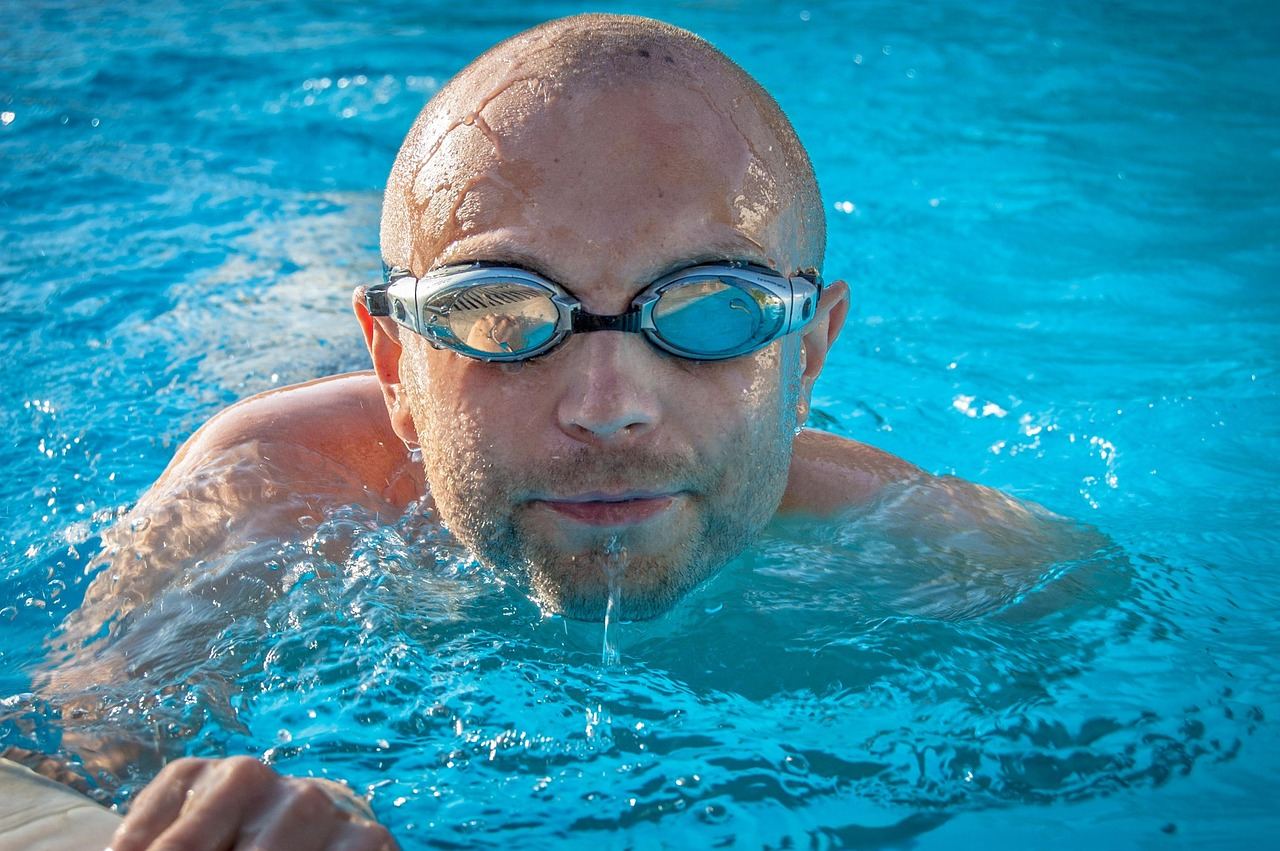
Competitive swimming isn't just for elite athletes — it's a journey of personal growth and community that welcomes beginners at every level.
Getting started with competitive swimming as a beginner means understanding that every fraction of a second can make a significant difference in your performance. You train to shave hundredths off your split times — not to get fit, but to go faster than the person in the next lane.
The hard part isn't the distance. It's repeating the same stroke mechanics thousands of times until bad habits stop costing you time. Most swimmers spend more time on technique drills than on raw yardage.
Meets are where that work becomes measurable. Your finish time is posted instantly — there's nowhere to hide a bad race, and no way to argue with the clock.
In competitive swimming, adults engage in structured workouts that include warm-ups, drill work focusing on technique, timed main sets with specific intervals, and cool-downs. They track their times and strokes, adjust their techniques on the fly, and often swim in lanes with others, fostering a competitive atmosphere.
Competitive swimming induces a flow state by providing clear goals, immediate feedback through pacing clocks, and a balance between challenge and skill, leading to deep engagement and immersion while reducing feelings of boredom.
You assume competitive swimming is reserved for seasoned athletes.
Picture a beginner with basic skills diving in and slowly improving with each stroke. Most clubs provide training and support at all levels. Anyone willing to commit the effort finds a place here.
Progress is the real victory. From fitness improvements to building a new community, you gain more than physical prowess.
Ready to dive into the heart of swimming? We're heading into training essentials next.
Your first session starts before you even touch the water. You stand at the end of a lane, goggles fogging up, watching the person ahead of you push off the wall with a clean, effortless flip turn. Then you go. Your arms pull unevenly, your kick sinks your hips, and by the third length you're grabbing the lane rope to catch your breath. The water doesn't care how fit you are on land — it has its own rules, and your body doesn't know them yet.
The thing most beginners don't expect is how much brain power the sport demands. You're counting laps, tracking your interval on the pace clock, adjusting your hand entry mid-stroke, and trying not to inhale water — all at once. The cognitive load in those first few sessions is genuinely exhausting, often more than the physical effort. It gets quieter as the mechanics become automatic, but early on it feels like patting your head and rubbing your stomach while jogging.
The pace clock on the wall will humble you. Sets are structured around it — leave every 1:30, hit your target split, repeat. Miss the interval and you disrupt the whole lane. That immediate, public feedback is uncomfortable at first, but it's exactly what makes improvement happen fast. There's no vague sense of "I think I'm getting better." The clock tells you the truth every single length.
By your third or fourth session, something small starts to click — your breathing rhythm steadies, or your turns stop feeling chaotic. Those moments are tiny, but they're addictive. The next section covers the mistakes that stall beginners right when that momentum starts to build.
When to start: 8:00 AM
Duration: 1.5 hours
Cost to try: $0
Success criteria: If you can swim 25 yards freestyle with a steady breath pattern and a legal streamline push-off, do session 2.
Most beginners watch a YouTube drill, decide their stroke is broken, and spend weeks over-correcting one thing. The problem is you can't feel what your body is doing in the water the way you can on land. Your brain fills in the gaps — and it's usually wrong.
Get video feedback early. Even a phone propped at the end of the lane tells you more than a month of guessing. Fix one thing at a time, and only after you've actually seen what your stroke looks like.
The pace clock on the wall is there to help you train — not to shame you into going all-out every interval. New swimmers see the clock and push hard every single set. What they actually do is groove sloppy mechanics at high speed.
Controlled, deliberate swimming at 70–80% effort teaches your body the right patterns. Speed comes later, once those patterns are automatic. If you're gasping through every drill set, you're training the wrong thing.
Freestyle is the default. Everyone gravitates toward it. But backstroke, breaststroke, and butterfly develop different muscle groups and body positions that actually make your freestyle better. Neglecting them leaves obvious gaps that show up the moment you race an IM or a relay.
Spend at least one session per week on a non-freestyle stroke. Breaststroke timing and butterfly hip drive transfer directly to how you move through the water in every event. It's not wasted time.
Turns and push-offs are where races are quietly won and lost. A sloppy flip turn can cost you half a second — every single length. Over a 200m race, that adds up fast. Beginners treat turns as interruptions between the real swimming.
Drill your turns in isolation, not just as part of a continuous set. Touch the wall, nail the rotation, and push off tightened until it's automatic. The clock will notice even when you don't.
Solo lane swimming feels safer. There's no pressure, no one to keep up with, no one watching. But training without external pacing is one of the biggest limiters for beginners. You naturally drift toward your comfort zone and never really push past it.
Jump into a shared lane as soon as you can hold a consistent stroke. The swimmer ahead of you becomes an involuntary pacer — and that competitive pull gets more out of you than any timer will.
Start with U.S. Masters Swimming (usms.org). They run a searchable club finder by zip code — it's the fastest way to locate a coached adult swim team near you. Most clubs affiliated with USMS train at public or university pools and welcome swimmers at any competitive level.
If you're under 18, USA Swimming (usaswimming.org) does the same for age-group clubs. Local YMCAs and aquatic centers also run year-round competitive programs — call the facility directly and ask about their "swim team" or "stroke and turn" lanes, not just open lap swim.
Reddit's r/Swimming is active and blunt — good for gear questions, technique breakdowns, and meet prep. For event schedules, Active.com lists sanctioned swim meets by region with registration links. Meetup.com occasionally surfaces open-water and masters swim groups in larger cities.
Strava has a swim segment community, and swimmers post split data and training logs there regularly. It's a low-key way to connect with local swimmers before ever getting in the same lane.
This is pool racing in its most traditional form — lane lines, starting blocks, and a scoreboard. You pick events based on your strongest strokes and distances, then train specifically to lower your times in them.
It suits people who are motivated by personal records more than podium finishes. Most swimmers at local meets are racing their own previous times, not chasing medals.
Masters swimming is organized competitive swimming for adults 18 and up — but the culture is far more relaxed than age-group programs. Workouts are coached, structured, and timed, but participation in actual meets is completely optional.
The workout itself is the competition for most Masters swimmers. You still track splits and chase interval targets. You just don't have to race in front of a crowd to get value from it.
Relay events put four swimmers on the same result. Your split directly affects three other people's finish time. That shared accountability changes how you approach a race entirely.
This format fits people who find solo time trials deflating but thrive when they're swimming for someone other than themselves. Club teams built around relays tend to have a noticeably tighter social atmosphere than individual-focused programs.
Open water swimming takes the competition into lakes, rivers, and ocean courses. Races range from 1K sprints to multi-mile endurance events. Navigation, current, and water temperature become real factors — not just stroke mechanics.
It draws swimmers who feel constrained by black lines on a pool floor. The environment itself becomes part of what makes the race unpredictable — and for some people, that unpredictability is the whole appeal.
Stroke specialization means choosing one — freestyle, backstroke, breaststroke, or butterfly — and building your entire training program around it. Your drills, your intervals, and your meet events all point in the same direction.
This works well for swimmers who get bored rotating between strokes and prefer the satisfaction of mastering one movement pattern deeply. Butterfly specialists, in particular, tend to build a distinct identity around their event.
The individual medley requires all four strokes in one race — butterfly, backstroke, breaststroke, then freestyle. There's no hiding a weak stroke. Your slowest leg is visible in the final time.
IM swimmers tend to be technically obsessive. Every stroke gap you close makes you faster across the board — so the feedback loop between technique work and race results is tighter here than in any single-stroke event.
Another variant that pulls from the same roots is Lap Swimming.
If you want a related angle, Sport Climbing is the natural next stop.
The skill that separates swimmers who keep dropping time from those who plateau is the ability to feel what your body is doing underwater without seeing it. Coaches call it "body awareness" or proprioception, but the practical version is simpler: can you tell when your hips are sinking, your catch is slipping, or your head position is dragging your whole stroke off-line?
Most beginners rely entirely on external feedback — a coach's note, a video, a split time that looks wrong. That works early on. But at some point the corrections you need are too subtle and too fast for anyone else to catch in real time. The swimmers who improve consistently are the ones who can feel a mistake mid-stroke and self-correct before the next pull. That internal feedback loop is what drills are actually building.
This is why competitive swimming puts so much emphasis on drill work that looks almost comically slow. Isolating one part of your stroke at low speed forces your brain to pay attention to sensations it normally ignores. A catch-up drill isn't about the shape of your arms — it's about training you to notice when your elbow drops before anyone else does.
Once that awareness is there, the pacing clock becomes a much sharper tool. You stop treating a slow split as a mystery and start connecting it to something specific you felt. The next section covers how structured training sets are designed to build exactly that connection.
Do 4 sessions over two weeks — two with a masters or adult swim club, two solo with a pace clock. That's enough data to read yourself honestly.
You finish a set, glance at the pace clock, and immediately want to run it again with a better split. The soreness doesn't register until you're in the car. That compulsion to rerun the interval is the signal — follow it. Start tracking your 100m splits, join a masters club with structured workouts, and register for a local meet within 60 days.
The workout felt solid and the technique cues were interesting, but you weren't thinking about it later. Indifference this early usually means the competitive layer hasn't clicked yet — not that swimming is wrong for you. Try one session focused entirely on stroke mechanics with a coach watching. The sport opens up differently once speed stops being random.
The black line bored you, the intervals felt mechanical, and you were watching the clock to see when it would end — not to beat your time. That's not a motivation problem; that's a format problem. Open-water swimming, triathlon, or a sport with more environmental variety will hold your attention far better than a 25-meter box.
If you catch yourself pulling up your split times after dinner to see where you lost tenths, this hobby has already chosen you. Nobody obsesses over a pace clock for a sport they're merely tolerating.
No, many clubs offer beginner programs to improve your skills and confidence.
Aim for 3-5 sessions per week, depending on your level and goals.
Look for community centers or schools with pool facilities available for public use.
Consider taking lessons or watching tutorial videos focused on technique improvement.
A coach can provide valuable feedback and structure, especially for competitive swimmers.