BoredomBusted — Find Your Next Favorite Thing To Do
Discover hobbies, activities, places, and ideas that spark joy. Whether you're looking for something creative, active, social, or relaxing, BoredomBusted helps you find your next favorite thing to do.
Browse our hobby guides, things-to-do collections, and place ideas to never be bored again.
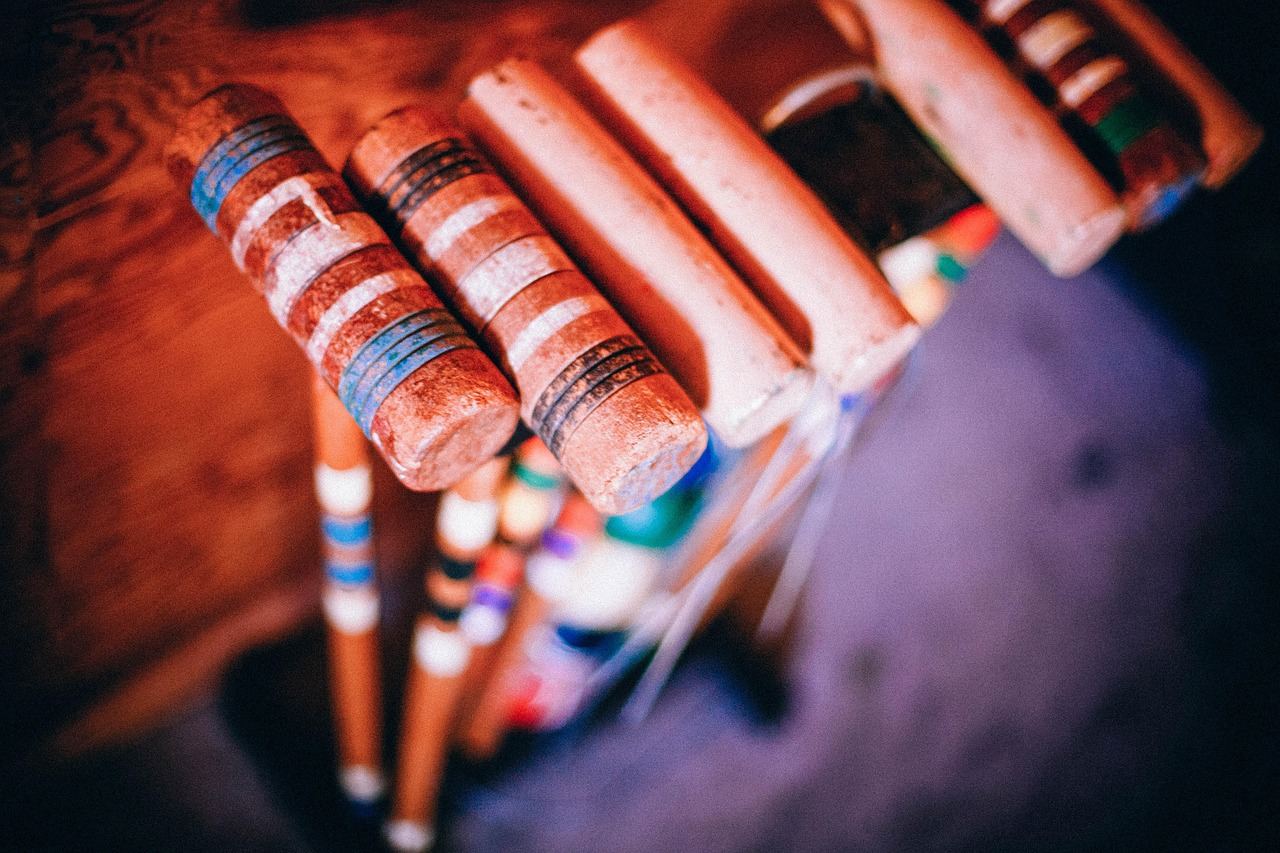
Croquet isn't just a casual lawn game — it's a strategic battle of precision, akin to chess on grass with global tournaments.
Getting started with croquet as a beginner offers a unique blend of strategy, skill, and a bit of luck. It's a timeless lawn game that appeals to many.
Hit balls through hoops with a mallet. Aim to complete the course in as few strokes as you can.
Perfect for everyone who loves outdoor fun. Croquet is social, gentle, yet thrillingly competitive.
In croquet, players engage in targeted drills involving swings and shots with mallets, aiming to strike wooden balls through hoops and into other balls, refining precision by executing various strokes like roquets and croquet shots while strategically positioning themselves on the lawn.
Croquet fosters a flow state through skill feedback loops, where players receive immediate success or failure assessments based on incremental distance targets, enhancing mastery and reducing mind-wandering while also providing a sense of accomplishment from completing complex shot sequences.
You think croquet is just another backyard game, no tougher than horseshoes or lawn darts. Something you play while eating finger sandwiches, not a test of skill.
In reality, croquet is as strategic as chess and as precise as billiards. Players must not only secure their own position on the field but also disrupt opponents' strategies.
Imagine playing on a perfectly kept lawn. Strict rules guide every move. Each turn is a mental challenge in disguise.
Croquet thrives in competitive circles across the globe. There's more than family BBQ games at play here.
Next up, discover how to start playing croquet at this level yourself.
Your first croquet session combines excitement and confusion. Holding the mallet might feel awkward. You're unsure about the force needed or the best angle for your shot.
The game involves more skill than just hitting balls through hoops. Learn to read the lawn, predict your shots, and outmaneuver opponents. Scoring your first hoop brings an unmatched thrill.
Expect a few missteps, like sending your ball off course or missing a hoop. These challenges make croquet both charming and demanding.
Each game refines your technique and boosts confidence. The next section covers common mistakes that beginners make and how to avoid them.
When to start: Morning
Duration: 1.5 hours
Cost to try: $0
Success criteria: If you complete a straight-line course and sink 3 consecutive clean wicket shots from one stance, do session 2.
New players assume harder swings mean better results. The ball ends up off course, and you lose control of the next shot too.
Focus on controlled, gentle strokes — accuracy beats distance every time. Croquet rewards precision, not power.
Beginners treat the lawn like a flat, neutral surface. It isn't — grass length and subtle slopes both change where your ball ends up.
Read the terrain before every shot. A slight downhill slope or longer grass can add or kill several feet of travel.
Focusing only on the shot in front of you leaves you stuck in bad positions. You make the hoop, then realize you have no clean angle for the next one.
Think two or three moves ahead — where you land matters as much as where you're aiming. Position is half the game.
Croquet isn't just about your own ball — opponents are actively setting up shots against you. Ignoring that gets you roquet'd out of position constantly.
Watch where opponents leave their balls and adjust your strategy each turn. Reacting late is how you lose games you were winning.
Croquet thrives in both casual and competitive scenes. Local areas often host clubs at parks or sports facilities. Many are beginner-friendly and even provide equipment.
For deeper connections, check the United States Croquet Association website. They offer a club locator and event details.
Online forums and social media also host vibrant croquet communities sharing tips and strategies.
Golf Croquet moves quickly, as players aim to score by running hoops in order.
Great for those who love speed and competition.
American Six-Wicket Croquet offers a traditional, strategic experience on a six-wicket course.
Perfect if you enjoy a formal and tactical game.
Garden Croquet is played on a smaller, informal lawn, making it perfect for leisure.
Ideal for family days and laid-back fun.
A close neighbor worth considering: Disc Golf.
For something adjacent, see Cricket.
Some of the same instincts show up in Bowling — worth a look if this clicked.
Precision is the bedrock of croquet mastery. Control over your mallet and ball is essential.
Precision thrives on balancing force and finesse. This balance lets you navigate the course with skill.
Focus on your stance and grip to enhance precision. A stable stance ensures consistency. A relaxed grip allows smoother, more accurate strokes.
Over time, you'll instinctively know the right amount of power needed for each shot.
Precision also demands mental discipline. Every shot should be approached with concentration. Visualizing its path and outcome sharpens your strategy.
This mindset helps you foresee challenges and adapt your plays effectively.
Play croquet three times a week for a month. Space these sessions to let the strategy and moves sink in between games.
If you're planning your next match before this one ends, croquet has hooked you. Start refining your tactics and considering a quality mallet for future games.
If croquet felt slow and repetitive, that's an honest reaction. Try playing doubles to add a new layer before you decide to move on.
Feeling frustrated by the slow pace signals this might not be for you. Croquet isn't designed for adrenaline junkies but for those who enjoy calculated moves in a serene setting.
The sign to watch for: you're strategizing around wicket angles during your commute.
Croquet is one path among many — browse the full hobbies list to weigh it against the rest.
For ideas that take five minutes instead of five weeks, see things to do when you're bored.
Most beginners can learn the basics of croquet in 1–2 months with regular practice. You'll understand the fundamentals like ball striking and hoop positioning in your first few sessions, though mastering strategy and advanced techniques takes longer. Consistent play with experienced players accelerates your learning.
Croquet is relatively easy to learn compared to many sports, making it ideal for beginners of all ages. The rules are straightforward, and you don't need exceptional athletic ability to enjoy the game. Most people can play competently after just a few practice rounds.
Starting croquet costs between $50–$300 depending on equipment quality. A basic beginner set with mallets, balls, and wickets is affordable, while premium equipment runs higher. Many clubs offer equipment rentals or provide sets for members, keeping costs down for casual players.
You'll need a mallet, four balls, wickets (hoops), and a stake for the starting point. A flat lawn or grass court is essential. Most recreational players purchase a complete set rather than individual pieces, which is more economical and ensures compatibility.
Yes, croquet is one of the most age-inclusive sports available and suitable for children through seniors. The low physical intensity means players of varying fitness levels can enjoy it together, making it perfect for multigenerational family play or social groups.
Croquet is excellent for socializing—matches typically involve 2–4 players with plenty of downtime for conversation between turns. The relaxed pace, beautiful outdoor settings, and turn-based nature make it ideal for making friends and enjoying outdoor time with others.