BoredomBusted — Find Your Next Favorite Thing To Do
Discover hobbies, activities, places, and ideas that spark joy. Whether you're looking for something creative, active, social, or relaxing, BoredomBusted helps you find your next favorite thing to do.
Browse our hobby guides, things-to-do collections, and place ideas to never be bored again.
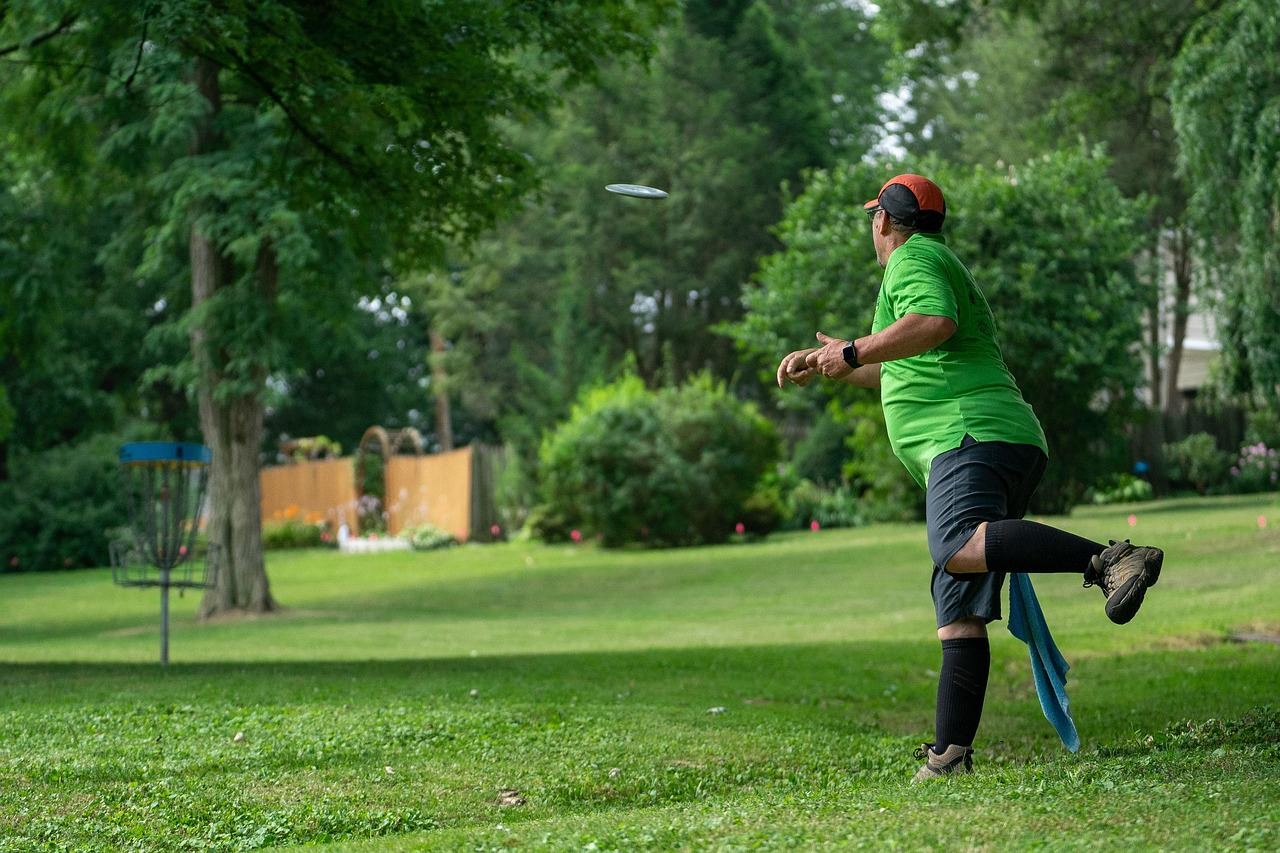
Disc golf isn't just a casual game in the park — it's a strategic battle where every throw is a calculated decision influenced by skill, wind, and course layout.
Getting started with disc golf as a beginner offers an engaging way to enjoy a sport that combines strategy and skill. It costs almost nothing to start — most courses are free, and a starter disc runs under $15.
You throw specialized discs — drivers, mid-ranges, putters — toward a chain basket target. Fewest throws wins the hole. Simple rule, deep skill curve.
Unlike ball golf, you can play a full 18-hole round in two hours without booking a tee time or renting a cart.
Disc golf involves throwing specialized discs across open fields or courses, focusing on refining throwing techniques through repetitive practice sessions that last 20-60 minutes. Players select from a variety of discs—drivers, mid-ranges, approaches, and putters—and engage in drills, emphasizing muscle memory and shot accuracy while analyzing their form using video recordings.
Disc golf combats boredom through immediate skill feedback from each throw, fostering a flow state during focused practice sessions that create deep immersion and a sense of accomplishment as players track their progress. The novelty of experimenting with different disc flight paths and shot shapes also stimulates creative problem-solving, while social interactions in leagues provide a sense of b…
You think disc golf is just tossing a disc in the park for fun. You picture a lazy afternoon, not a sport that demands your mind as much as your body. That assumption couldn't be further from the truth.
Take Paige Pierce, a professional disc golfer who has won five world championships. Her success isn't about power alone. It's about choosing the right disc for each situation, mastering wind calculations, and studying every course she plays. Every decision is strategic, every throw precise. It's much like deciding between a driver or putter in traditional golf.
You think it's just physical, but it's more. It's you against the course. It's calculating every angle and wind speed. And it's redefining what you thought a "casual" sport could be. The skill and strategy are why so many discover an unexpected challenge in each game.
But it isn't just about the game itself. There's a whole community waiting to welcome you. Let's explore the friendships it fosters next.
Your first round of disc golf could feel awkward. Especially if you've never thrown a disc designed for distance. You'll spend time chasing after wayward discs. That's part of figuring out how to throw them well.
The first time your disc hits the chains, it's memorable. Even imperfect throws carry a thrill. Watching your disc fly and learning control is where the excitement hides.
You'll meet friendly players eager to share tips and encouragement. This welcoming environment keeps you coming back, eager to improve.
When to start: Early morning
Duration: 1 hour
Cost to try: $0
Success criteria: if you finished without losing or damaging your disc, do session 2.
Assuming all discs are equal is a common mistake. Each disc is built for specific kinds of throws.
Start with a mid-range disc for control. This helps before you explore drivers and putters.
Beginners often go for raw power in their throws, thinking it's the key to success.
Stick to a smooth, controlled throw for better results. Technique will deliver both distance and accuracy.
Wind isn't just a small factor. It can send your disc on an unexpected path if ignored.
Adjust your aim based on wind direction. This awareness prevents surprises and improves control.
It's easy to chase long throws, ignoring how important putting is.
Dedicate time to your short game. Putting practice lowers scores and boosts green-side confidence.
Disc golf courses are usually in parks and recreational areas. Nearby ones are often free to use.Use UDisc to find courses close to you. This app's directory is full.
Local clubs are the best way to meet players and join tournaments. Joining connects you with others and improves your game.
Online communities help, too. Find forums and social media groups that match your interest. They discuss strategies and organize meetups regularly.
Ultimate Frisbee offers that action. It's a team game highlighting speed and agility. Ideal for those who thrive on competition and teamwork.
Freestyle Frisbee lets you show off your creative side. Perform tricks and throws in a choreographed routine. Perfect for those who enjoy movement and creativity.
Disc Golf Doubles adds a social twist. Teams of two take turns, making it an enjoyable way to introduce friends to the sport.
Billiards lives in the same world — different mechanics, similar appeal.
Some of the same instincts show up in Cricket — worth a look if this clicked.
Some of the same instincts show up in Croquet — worth a look if this clicked.
Mastering the throw is the essence of disc golf. Your body's mechanics shape the disc's flight. Balance, grip, and follow-through are the pillars of a strong throw.
Consistency in your technique directly boosts control and accuracy. Practicing different shot types boosts this consistency. Pay attention to small tweaks; they can transform your results.
Routine is your ally through every throw. Driving, approaching, and putting each require focus. Visualizing your throws sharpens this focus and enhances your performance.
Play disc golf twice a week for a month. This routine helps you gauge your interest and skill progression.
If you find yourself eager to play more and thinking about your next game, you're likely hooked. Consider investing in a few quality discs and exploring new courses to challenge yourself.
If you feel neutral after the month, enjoying the social aspect but not loving the game, try switching up your routine. Invite friends or join a local club to see if the community engagement adds depth to your experience.
Actively dreading the sessions signals it's not your sport. Outdoor activities should stay fun, not feel like a chore. You might enjoy something more dynamic or higher-paced.
The sign you shouldn't ignore: checking tournament schedules late at night. That's a clear indicator you've caught the bug.
When you're ready to compare options, the hobbies list lays out every direction we cover.
When you don't want to commit, things to do when bored is a better starting point.
You can start disc golf for as little as $30–$50 by purchasing a basic starter set of discs, which typically includes a driver, mid-range disc, and putter. Most public disc golf courses are free to play, making it one of the most budget-friendly hobbies available. Once you're committed, you may want to invest in higher-quality discs ($15–$25 each) and a disc bag, but the entry barrier is very low.
Most players develop solid basic skills within 4–6 weeks of regular practice, allowing you to compete casually and enjoy rounds with friends. Intermediate proficiency typically takes 3–6 months of consistent play, while mastering advanced techniques requires years of dedicated practice. Your progress will depend on your athletic background and how frequently you play.
Disc golf uses flying discs (similar to frisbees) instead of balls and clubs, and you throw from a tee area to land in a basket rather than a hole. Courses are usually played on public parks or natural outdoor spaces rather than manicured fairways, making them more accessible and free. The basic scoring system is identical to traditional golf—complete each hole in the fewest throws possible.
While discs are essential, you'll benefit from a disc bag to carry and organize them during play, which costs $20–$60. Most players also wear comfortable athletic shoes and bring water for outdoor play. Everything else—like markers for scorekeeping and a towel—is optional but helpful for a better experience.
Disc golf is extremely beginner-friendly, and most public courses welcome players of all skill levels on the same layout. You'll see everything from casual recreational players to competitive athletes on the same course, so there's no pressure to be advanced. Many courses even have shorter tees designed specifically for beginners and children.
The PDGA (Professional Disc Golf Association) website and apps like UDisc have searchable databases of thousands of free and paid courses worldwide. Most courses are located in public parks and natural areas, making them easy to access on weekends. You can also ask local disc golf communities online for recommendations on beginner-friendly courses in your area.