BoredomBusted — Find Your Next Favorite Thing To Do
Discover hobbies, activities, places, and ideas that spark joy. Whether you're looking for something creative, active, social, or relaxing, BoredomBusted helps you find your next favorite thing to do.
Browse our hobby guides, things-to-do collections, and place ideas to never be bored again.
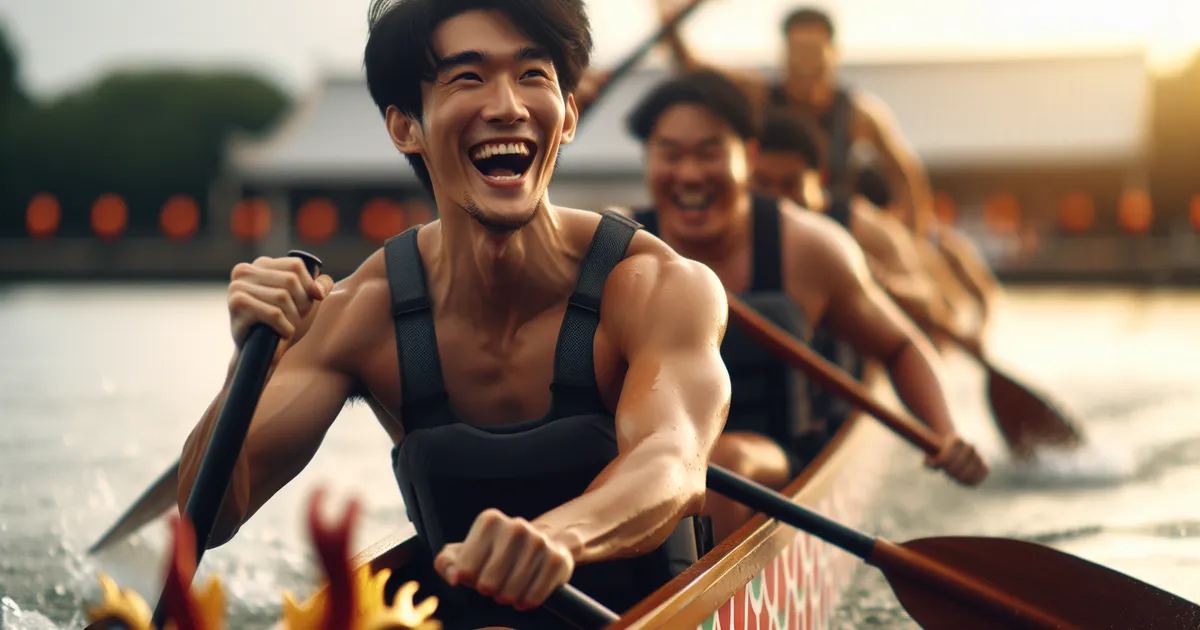
Dragon boat racing is a global competitive sport where technique trumps strength, and races hinge on the first three synchronized strokes off the line.
Getting started with dragon boat racing as a beginner offers an exhilarating opportunity to work in sync with a team while powering through the water. Dragon boat racing is a team paddling sport where 10–20 people synchronize strokes to drive a long, narrow canoe across flat water as fast as possible.
Unlike kayaking or rowing, the whole point is collective rhythm – one person off-beat slows the entire boat, which makes teamwork the actual skill, not individual strength.
In Dragon Boat Racing, participants paddle in unison on a long, narrow boat, executing a precise 7-step paddling technique while synchronizing with teammates and a drummer to maximize speed and efficiency during races and training sessions.
This hobby induces a flow state through its combination of high-skill demands, immediate feedback from paddling mechanics, and teamwork, fostering social belonging and a sense of accomplishment as practitioners refine their techniques and achieve collective goals.
You think dragon boat racing is just a novelty event.
You're missing out on a genuinely technical, competitive sport that pushes athletes to their limits.
Consider the global competitive circuit. The IDBF World Championships is a serious event, drawing national teams who train year-round. This isn't about weekend warriors in matching polos. It's a stage for athletes dedicated to mastering the craft.
Technique is what really matters here. Crews win races through the perfect catch angle, precise blade depth, and timing synchronization across 20 paddlers. Raw power takes a backseat.
Most cities have club teams training twice a week. They focus on structured coaching, not just paddling and socializing.
A 200-meter sprint takes under a minute.
But there's more to it.
A well-coached crew spends months drilling the first three strokes off the start line. That's where races are decided.
You're already wondering if you're fit enough to show up. That's exactly what the next section is for.
At first glance, dragon boat racing seems effortless and synchronized, like a dance on the water.
But being in the boat feels completely different. It's chaos and motion, and you may feel like a paddle swirling in a blender.
You're three minutes in, arms on fire, struggling to match the timing. Each misstep rocks the boat, and even your lungs seem to wonder what's happening.
That first week, the effort goes more into keeping steady than paddling. The constant tension leaves you more worn out than expected.
A few strokes in sync during week two ignites an understanding of why this becomes a passion. Those moments, brief as they are, make it clear why people return.
Week three brings control as your top hand finds its role, turning strokes into actual power.
By week four, your focus shifts outward. The drum's rhythm takes over, guiding your movements without conscious thought.
It's tempting to shorten your stroke for stability. But avoid this instinct. The reach feels awkward but it's key. It makes the boat glide smoother when everyone commits.
Next, we dive into common mistakes that could keep you stuck longer in the struggle than necessary.
When to start: Early morning
Duration: 2 hours
Cost to try: $20
Success criteria: If you paddle 200 meters in sync with your crew and keep your stroke timing matched to the drum, do session 2.
New paddlers instinctively yank backward through the water, which looks right but loses half your power. Drive the top hand forward and down on the catch – you're stacking force vertically, not rowing a canoe.
Everyone wants a long stroke, so they stretch past the point where they can actually generate force. Keep your reach to where your body is fully rotated but not collapsed – roughly level with your feet, not past them.
The person ahead of you is slightly out of sync with the drum beat by the time the sound reaches them – lock onto the drum, not your neighbor's paddle.
It feels stable and polite, but an upright spine kills your rotation. Tilt your hips forward so your torso can coil through the stroke instead of just swinging your arms.
Beginners drag the paddle all the way to their hip, bleeding speed from the boat. Pull out cleanly when the blade reaches your knee – everything after that is just drag.
Dragon boat races unfold on calm waters like lakes, reservoirs, and gentle rivers. Seek locales with enough straight water for a 200–500 metre course.
Just show up and say you're new. You'll likely get a loaner paddle, seat at practice, and guidance. Most clubs need many eager participants.
Picture this: 20 paddlers all in sync, a drummer setting the pace, and a steerer guiding the way. Teams race over 200–500m heats. A perfect entry point for beginners. You don\u2019t need your own boat or crew, as teams welcome newcomers.
Races here stretch from 1000 to 2000 meters. Technique is critical, and practices require serious commitment. Ideal for those who\u2019ve completed a season of festival racing and crave a rigorous challenge. Be prepared for higher club fees, potentially reaching $400\u2013700 per year.
This variant adapts the sport for paddlers with physical disabilities. Modified seating and strokes ensure inclusivity, while maintaining the same dynamic team experience. Consider this option if mobility or injuries are a concern but you don\u2019t want to miss out.
Ergometers mimic paddling during the off-season or in places far from water. Great for conditioning your team during winter, but not a standalone hobby. Equipment is provided by facilities, so don\u2019t worry about personal gear costs.
For a taste of outrigger canoe culture with a dragon boat twist, explore hybrid events. These races feature smaller crews and open water courses. Perfect for those finding festival races too predictable. Check if your local club offers this unique crossover.
A close neighbor worth considering: 3x3 Basketball.
A close neighbor worth considering: Flag Football.
Another variant that pulls from the same roots is Touch Rugby.
Entry timing is everything in paddling.
Most beginners pull harder, trying to muscle their way through. But if the blade enters too late, strength doesn't help.
Your stroke should start with the blade fully submerged. Arms extended, body rotated, ready to drive.Half your power is lost to splashing if you pull too soon.
A clean, early entry makes your power surge through the boat. It prevents turbulence and keeps your team in sync.
Commit to four sessions over 30 days, ideally once a week. This lets you feel the team rhythm, tackle the shoulder soreness, and discover if the water pulls you back or if it only soaks you.
If you're already thinking about the upcoming race calendar, it's more than just excitement – you're hooked. Dragon boat racing suits those who love contributing to a team beyond individual performance. If you leave the dock focused on your crew and not just your paddle stroke, keep showing up consistently and consider fully committing to a club.
Not hating it but feeling unsure is your signal for another round. Four sessions might not reveal much if the weather was poor or the team disorganized. A second attempt with better conditions could change things. After that, remaining indifferent means you've got your answer.
Counting the minutes until the session ends is telling. The noise, the dependency on coordination, and the inability to paddle solo aren't going to change. If these aspects felt confining, this isn't your sport.
Obsessively watching race footage even when you thought you were done is revealing. If you're analyzing cadence and timing, you're already thinking like a paddler – time to find a team.
Sometimes you just need something for the next ten minutes — that's what things to do when bored is for.
Most dragon boat racing clubs provide paddles, life jackets, and the boat itself, so you typically only need to bring athletic clothes and water shoes or sandals. Some teams may ask you to bring a towel and a change of clothes. Check with your local club for their specific equipment requirements before your first session.
You can start paddling and participate in races within a few weeks of training, as basic techniques are relatively straightforward to learn. Most beginners become competent paddlers within 4–8 weeks of regular practice. However, mastering synchronization with your team and race strategy takes several months of consistent training.
Monthly membership fees typically range from $50–$150 depending on the club and location, though some clubs charge per session ($10–$30). Additional costs may include registration fees for races ($20–$100 per event) and optional team apparel. Many clubs offer beginner packages or trial sessions at discounted rates.
No, dragon boat racing is beginner-friendly because you don't need prior paddling experience to start—coaches teach proper technique from scratch. The main challenge is building team synchronization rather than individual skill, so you'll improve alongside your teammates. Most people pick up the basics within the first few sessions.
Most dragon boat racing seasons run from spring through fall, with peak activity from May to September in Northern Hemisphere regions. Local clubs typically practice 2–4 times per week, and races range from casual monthly meetups to larger festivals and championships. Some areas have year-round racing, so check your local club's schedule.
Yes, as long as you're comfortable in the water and wear a properly-fitted life jacket, which is mandatory for all participants. Your ability to paddle matters more than swimming strength, and the boat's design provides flotation. However, it's wise to discuss any water comfort concerns with your club coach before starting.