BoredomBusted — Find Your Next Favorite Thing To Do
Discover hobbies, activities, places, and ideas that spark joy. Whether you're looking for something creative, active, social, or relaxing, BoredomBusted helps you find your next favorite thing to do.
Browse our hobby guides, things-to-do collections, and place ideas to never be bored again.
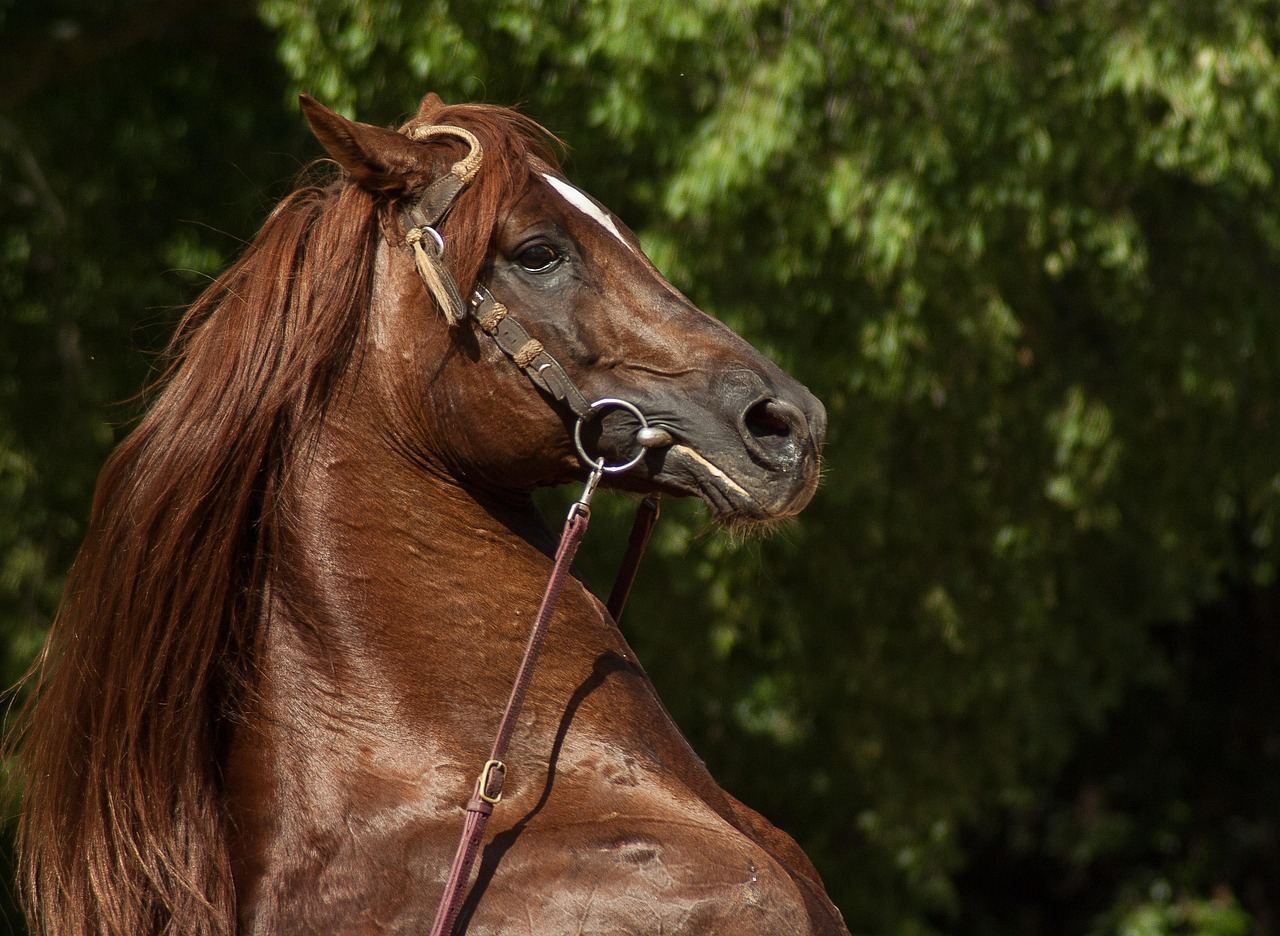
Dressage isn't just flashy horse moves — it’s an invisible language of body cues developed over a decade, crucial for controlling massive animals.
Learning dressage as a beginner revolves around understanding the fundamentals of horse training and precision movement.
Rider and horse perform a memorized sequence of patterns, transitions, and exercises that judges score on accuracy and harmony.
Unlike trail riding or show jumping, nothing external tests you. No obstacles, no terrain.
Just the conversation between two bodies that either looks effortless or doesn't.
In dressage, participants engage in mounted sessions where they maintain a balanced posture while directing a horse through precise movements, focusing on transitions between gaits and lateral work, requiring intense core engagement to adapt to the horse's dynamic motion without upper-body movement.
Dressage fosters a flow state by demanding intense focus and skill synchronization with the horse's movements, creating immediate feedback loops that enhance body awareness and provide a sense of accomplishment through mastering intricate maneuvers and achieving cleaner transitions.
You think dressage is horses in top hats doing fancy walks for rich people. That assumption is almost completely wrong.
Dressage is a form of communication between rider and horse, built over years with barely visible cues. It's a conversation, not a show.
The horse isn't performing tricks; the movements come from battlefield training. Cavalry needed to guide a massive animal without using hands, relying on subtle cues.
Collection is what you call 'prancing'; it's about strength and balance, just like an athlete training their body.
A Grand Prix dressage test takes just six minutes. Hundreds of invisible cues during those moments. Weight shifts, breathing changes, tiny leg adjustments. That's what the rider does. The horse responds to every one of them, reflecting a decade-long conversation.
The real barrier isn't money but patience. Mastering dressage is about time and dedication, not access.
In dressage, the elegance hides the struggle. You're watching calm riders and graceful horses, but what you feel is anything but graceful your first time out.
At first, it feels mechanical. Your legs won't cooperate, your hands are too busy, and the horse isn't listening. You don't just feel out of sync; you are painfully aware of it.
Then one movement lands. That fleeting moment when the horse responds makes you think, 'I did that.' It's a glimpse into why you've signed up for more.
Expect your body to disagree at first about what 'sitting correctly' means. Those basic transitions feel like chaos in slow motion, and you'll hear the term 'half-halt' more than you can count. A small success might hit you in the third week once the trot connects for a moment. The realization that your tension mirrors back to you from the horse is both sobering and endlessly fascinating.
Dressage is about breathing. Riders who breathe deliberately gain control; those who hold their breath lose it. Your instructor will stress breathing, but you won't grasp its power until you're in the saddle yourself.
When to start: Morning
Duration: 1.5 hours
Cost to try: $30
Success criteria: If you can keep your horse marching a 20m circle and make a square halt that stays immobile for 3 seconds, do session 2.
New riders often grip tightly, thinking it provides more security, but this tension isn't helpful.
Allow your thigh to rotate outward from the hip. Let your leg hang naturally against the horse—your heel will drop naturally, ensuring your aids are effective.
A common mistake is locking the hands in an effort to control the horse's head, but this is counterproductive.
Maintain a soft, following elbow. This keeps contact consistent despite the horse's movements, allowing for better communication.
Eager to feel accomplished, beginners often rush into complex maneuvers without mastering basics.
Focus on transitions in the early months. Practice walking to halt and trotting to walk repeatedly to build straightness and rhythm.
It seems logical to apply more pressure to encourage the horse to step under, but this approach often backfires.
Use one clear, lighter aid and wait. Dressage horses need precise cues, and excessive pressure only dulls their response.
Beginners often misinterpret a quiet horse as being too slow, riding cautiously and losing energy.
Count your horse's footfalls out loud while trotting. Compare it to a video of a working trot. If the rhythm is slow, focus on riding forward, prioritizing connection over frame.
Dressage thrives at equestrian centres, riding schools, and private yards. You'll find the sport happening in arenas, often 20x40m or 20x60m.
USDF.org is your best bet for finding dressage clubs. Their 'Find a GMO' tool lists affiliated clubs by state.
Facebook Groups offer another avenue. Search for "dressage club [your county/region]" to uncover local events and discussions.
If you're hunting for coaches, try Equestrian.org or BHS.org.uk if you're in the UK.
Introduce yourself as a beginner to get placed in suitable lessons. This ensures you're not thrown into more advanced groups.
Clubs often highlight unaffiliated shows as easy entry points, where you can track progress without a USDF membership.
Freestyle dressage lets riders set movements to music, blending sport with art. Ideal if you're craving creative expression beyond standard competition.
Plan for some music licensing and choreography time.
Western dressage adapts classical techniques to western horses and saddles. Best for western riders seeking precision and structure.
You can use your existing gear without a complete discipline switch.
Para dressage adapts the sport for riders with physical disabilities. Your entry point if riding seems inaccessible due to physical barriers.
The discipline mirrors standard dressage closely in movements and judging.
Intro/Preliminary level is your entry point. Find this level focused on simple movements like walk and trot in small arenas—essential if you're just starting.
Baroque dressage revives historical horse breeds such as Lipizzaners and Lusitanos. Perfect for those drawn to classical roots over modern competition.
Expect higher costs for horses and limited access to local trainers.
A close neighbor worth considering: Programming.
Cryptic Crosswords is a sibling pursuit and often surfaces the same kind of curiosity.
If this resonates, Target Shooting explores a similar direction.
Independent seat is the key skill for equestrians. It lets you absorb the horse's movement, keeping your upper body quiet.
Your pelvis should swing with the horse. Not by force, but naturally moving with the walk, trot, or canter.
Your seat should free the horse's back. When that happens, collection and rhythm aren't battles anymore.Without an independent seat, you're holding the brakes while asking for speed.
Over 30 days, commit to eight dressage lessons. That's two lessons per week, offering enough continuity to get a sense of the discipline without large gaps disrupting your progress. The steep learning curve will be noticeable, especially early on. By the fifth session, you'll discover if there's genuine interest under the initial frustration.
You're eager to return even though it wasn't easy. This isn't about ease but rather the challenge itself engaging you. You're drawn to the technical side and want to master the details. Consider making it a regular part of your schedule.
You finished without excitement or dread, simply going through the motions. That's important feedback. If disruptions like changing instructors or missed sessions occurred, you might extend to twelve. Still, indifference with stable conditions suggests it might not be your passion.
You felt reluctance every time you headed to the yard. This isn't about nerves or difficulty but an environment that doesn't click. The nature of dressage isn't aligned with your interests, and acknowledging that is okay. Consider exploring activities with different dynamics.
Checking dressage videos on YouTube at night and noticing nuances signals a real connection. If you're naturally picking up on details like a horse's movement, it's a strong indicator of interest.
For a wider menu of options, see our list of hobbies.
For quicker fixes, see our roundup of things to do when you're bored.
You don't need to be an advanced rider, but basic horse riding skills are essential. Most beginners start with foundational lessons in walk, trot, and canter before progressing to dressage-specific training. Working with a qualified instructor will help you build the balance, coordination, and communication skills required.
Initial costs include horse ownership or leasing ($300–$1,000+ per month), lessons ($40–$150 per hour), and equipment like saddles and bridles ($500–$3,000+). Competition fees vary from $50–$500 per event depending on the level, making dressage accessible at beginner levels but more expensive at advanced stages.
Most riders can learn basic movements like transitions and leg yields within 6–12 months of consistent training. Advanced movements like pirouettes and passage require 2–5+ years of dedicated practice depending on your starting level and training frequency.
Training focuses on building your horse's strength, flexibility, and obedience through daily practice and lessons. Competitions are structured events where riders are judged on how well they execute predetermined movements called 'tests' at different levels, from beginner to Olympic.
No, many riders lease or ride lesson horses provided by training facilities, especially when starting out. Owning a horse is ideal long-term but leasing ($300–$700 per month) is a more affordable way to begin while you develop skills.
Dressage has a steep learning curve because it requires coordination, feel, and subtle communication with your horse. While basic concepts are accessible to motivated beginners, mastering the discipline takes years of practice and patience—most riders spend 3–5+ years reaching intermediate levels.