BoredomBusted — Find Your Next Favorite Thing To Do
Discover hobbies, activities, places, and ideas that spark joy. Whether you're looking for something creative, active, social, or relaxing, BoredomBusted helps you find your next favorite thing to do.
Browse our hobby guides, things-to-do collections, and place ideas to never be bored again.
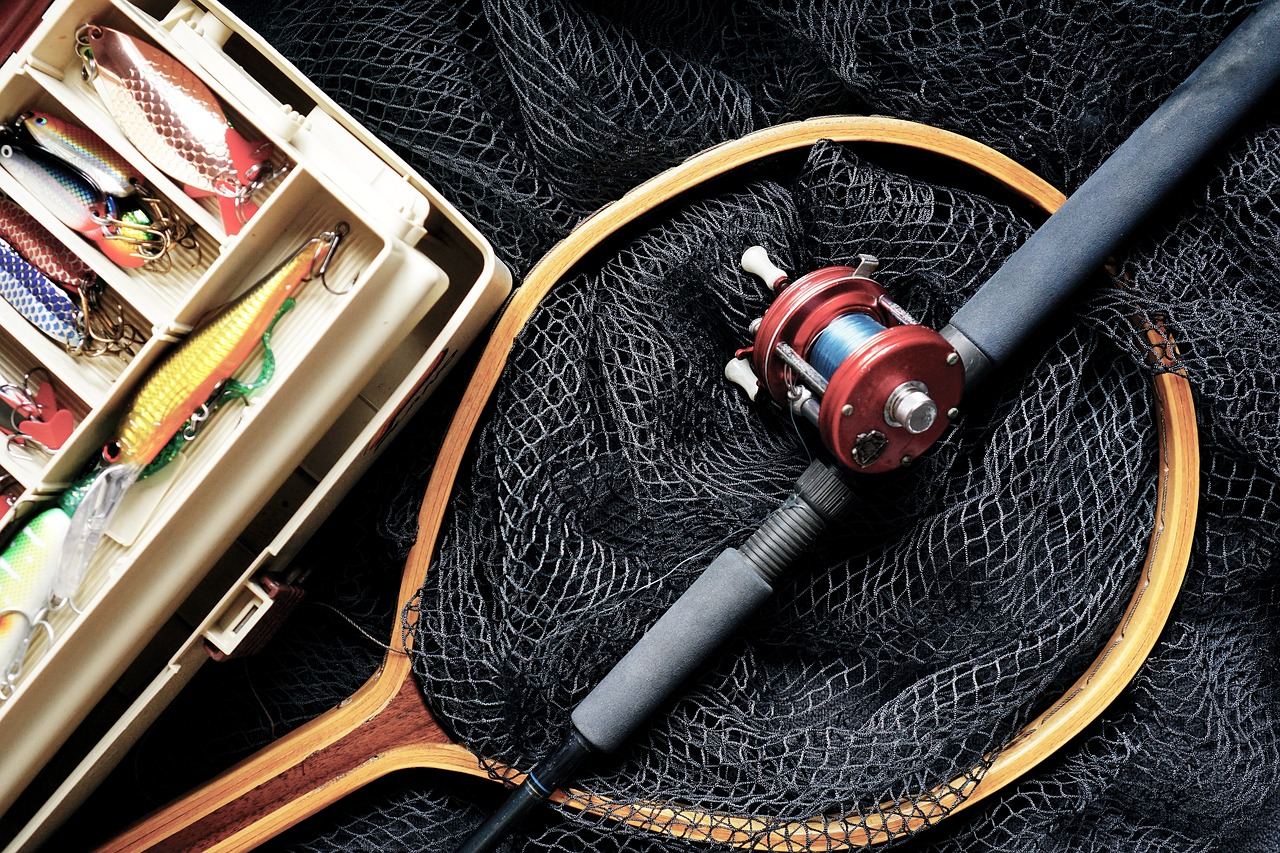
Fishing isn't just waiting for a bite—it's a tactical game of reading water and adapting to fish behavior, making every trip a learning experience.
Getting started with fishing as a beginner offers more than just the thrill of catching fish; it's an escape.
Whether using a rod by a serene lake or navigating a lively river, the techniques vary.
This hobby challenges and rewards enthusiasts no matter their age or skill level.
Fishing involves selecting a location, rigging gear with hooks and lures, casting lines into water, and actively monitoring for bites while reeling in any caught fish. This process demands physical actions like tying knots, casting with precision, and playing the fish, all of which require focus and skill. Anglers adapt techniques based on environmental conditions and fish behavior, engaging deep…
Fishing combats boredom through a skill feedback loop, where immediate responses to casting, bite detection, and successful hook-setting keep participants fully engaged. This fosters a flow state characterized by an optimal challenge-skill balance, allowing individuals to immerse themselves in nature while developing proficiency and experiencing a sense of accomplishment with each catch or releas…
People often think fishing means just sitting around, waiting for a bite. It's actually far from passive.
Fishing requires strategy, skill, and adaptability. Anglers read the water, select the right bait, and adjust their techniques based on conditions and fish behavior.
Fishing is also a sensory experience; it's about feeling the tug on your line, the thrill of the catch, and the serenity of your surroundings.
Each trip is a chance to learn. To improve. Every outing reveals something new about fish behavior, weather patterns, and even how you adapt on the spot.
Fishing can be as social or solitary as you want. You can join a group of anglers for a day on the water, or enjoy a quiet solo expedition.
It's a versatile hobby that suits a range of preferences.
You'll stand waist-deep in cold water, feel the line tension, and quickly learn that casting looks easier than it is. Tangles happen. Fish spook. But the first nibble teaches you to stay alert.
When to start: Early morning
Duration: 1.5 hours
Cost to try: $10
Success criteria: if you finished without catching a fish, do session 2.
Many newcomers pick up any rod and reel without considering their target. This leads to broken lines or missed catches.Select gear based on your target's size and species. The right equipment enhances your chance of success.
Casting your line randomly often leads to fruitless trips. Finding fish isn't just luck.Understand the marine environment. Fish gather near natural cover. Study these spots beforehand.
The right bait can mean the difference between lots of bites and none. Many beginners choose based on personal preference.Match your bait to the fish and season. Optimal baiting improves your success rate.
Fast reeling seems exciting but scares fish away or lets them slip.Slow your reel speed to maintain control. Especially useful in warm climates when fish are less active.
Impatience leads to poor results.Practice patience and calmness. Successful fishing thrives on persistence.
Trilogy at Lake Frederick offers a 117-acre private lake for fishing enthusiasts.
If you prefer the coast, Hilton Head Plantation in South Carolina provides access to the Intracoastal Waterway.
Cresswind at Lake Lanier in Georgia is set right on the lake for easy fishing days.
In Arkansas, Hot Springs Village has 11 lakes teeming with fish.
Key West, Florida welcomes you with both inshore and offshore charters.
For that bass fishing thrill, head to Montauk, New York.
Port Mansfield, Texas offers the prime species: reds, trout, and snook in Laguna Madre.
Jacksonville, Florida presents a mix of freshwater and saltwater fishing on the St. Johns River.
Nashville, Tennessee is a hidden gem for bass fishing on the Cumberland River.
For active discussions, r/fishing on Reddit is unbeatable. Post a catch there, and you'll get advice fast.
Discord's "Fishing World" offers real-time chat with fellow anglers. Share tips or find fishing buddies for your next outing.
For deep dives into equipment, tackle, and techniques, hit up FishingForums.net.
Bait fishing, also known as still fishing, is perfect for everyone. Starting in either freshwater or saltwater is simple — use live, frozen, or artificial bait on your hook. No prior experience needed to have a good time and a good catch.
Fly fishing brings art to the aquatic stage. You'll cast lightweight artificial flies with specialized gear. Precision casting is key, especially when targeting trout or salmon. Expect a challenge and delight in the skill it takes.
Spinning offers something for both new and seasoned anglers. Use spinning rods and reels to cast lures easily. It's effective for catching both freshwater and saltwater species. Great if you want variety without complexity.
Trolling is about fishing while moving. You'll drag lures behind your boat, perfect for exploring large water areas. While this method is more hands-on, it's an exciting way to fish and find different species.
Spearfishing demands precision and quick reflexes. Using spears or spearguns in clear, shallow waters, it's as much about the dive as the catch. Perfect for those who thrive on a direct approach.
Readers who enjoy this often gravitate toward Car Camping next.
Some of the same instincts show up in Garden Tours — worth a look if this clicked.
Reading water—understanding where fish hide based on current, depth, and structure—changes everything.
Master it, and you're prepared for any fishing style. You'll be formidable on any body of water.
This hobby is for you if you: - Can sit quietly for hours without needing conversation or entertainment - Enjoy tinkering with gear and reading detailed technical information about equipment. - Feel calmer around water and don't mind being wet, cold, or uncomfortable for extended periods. - Like the idea of a hobby that can be done solo without feeling lonely. It's probably not for you if: - You need immediate, frequent results to stay motivated (fish don't always cooperate). - You prefer hobbies where you're consistently social or part of a group activity. - You get restless without constant mental stimulation or novelty.
For quicker fixes, see our roundup of things to do when you're bored.
You can start fishing with basic equipment for $50–$150, including a beginner rod, reel, line, and tackle box. Many people begin with affordable gear from local shops or online retailers, then upgrade as they develop their skills and discover their preferred fishing style.
You can learn the fundamentals—casting, basic knot-tying, and safety—in just a few practice sessions or a single weekend. Becoming proficient at reading water conditions and catching fish regularly typically takes a few weeks to a couple of months of consistent practice.
You'll need a fishing rod and reel, fishing line, hooks or lures, a tackle box for storage, and a fishing license (required in most regions). A cooler for keeping fish, sunscreen, and polarized sunglasses are also helpful additions.
Fishing is beginner-friendly and has a gentle learning curve—most people can catch fish on their first trip with basic instruction. The real enjoyment comes from patience and practice rather than advanced skill, making it accessible to all ages and fitness levels.
Fishing works wonderfully both ways—many people enjoy the peaceful solitude of fishing solo, while others prefer the social experience and shared excitement of fishing with friends or family. Your preference depends on whether you're seeking relaxation or companionship.
Most fishing trips range from 2–4 hours for a casual outing, though dedicated anglers may spend an entire day (6–8 hours) on the water. Even a quick 1–2 hour session before or after work can be rewarding.