BoredomBusted — Find Your Next Favorite Thing To Do
Discover hobbies, activities, places, and ideas that spark joy. Whether you're looking for something creative, active, social, or relaxing, BoredomBusted helps you find your next favorite thing to do.
Browse our hobby guides, things-to-do collections, and place ideas to never be bored again.
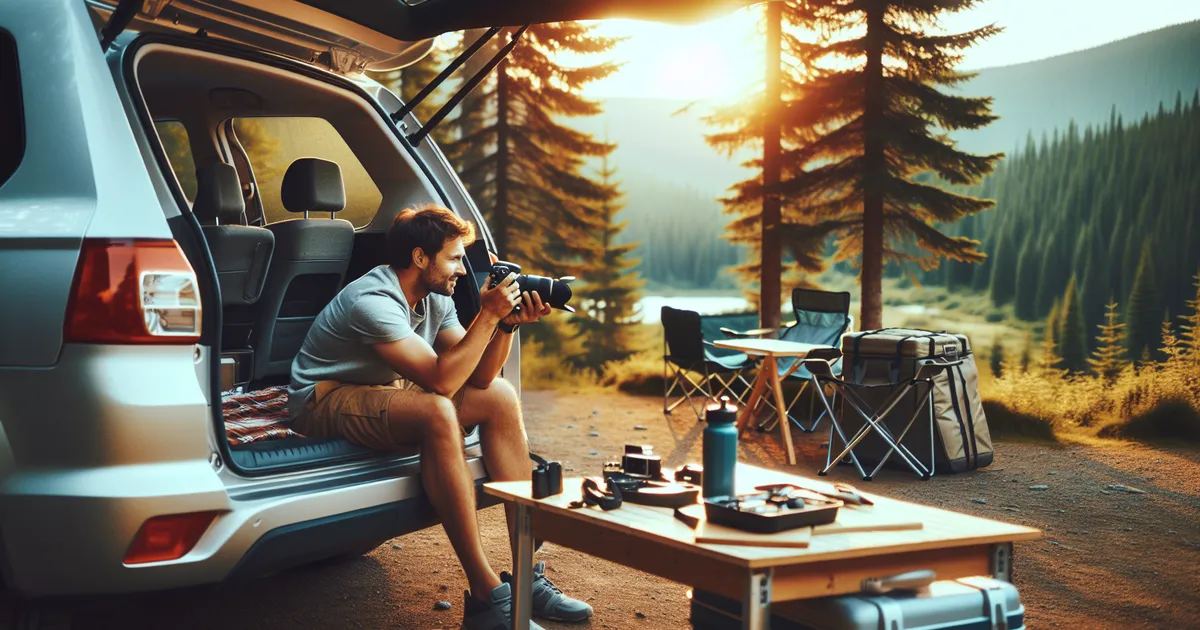
Car camping isn't just a parking lot sleepover — it's a flexible platform for real outdoor skills, letting you fine-tune your setup with each trip.
Getting started with car camping as a beginner provides the unique advantage of having your vehicle conveniently parked close to your campsite.
Set up a tent or sleep in your vehicle with ease. All your gear is accessible without the hassle of carrying it on your back.
Comfort and convenience take priority over weight. Unlike backpacking, there's no need to pack light.
Car camping involves driving to a campsite, setting up a semi-permanent base with a tent or screen house, and organizing a kitchen and living area using gear from your vehicle. You engage in low-to-moderate activities like slacklining, whittling, and cooking over a campfire, while also enjoying social games or quiet moments under the stars, all with the convenience of your car close by for suppli…
Car camping combats boredom through skill feedback loops, where activities like slacklining provide immediate, tangible progress. This fosters a sense of flow, allowing you to focus on skill-building without the high entry barriers of more strenuous outdoor activities. It also offers a sense of accomplishment through self-reliant base-building and fosters social belonging through group activities…
You think car camping means a stiff back in a parking lot, maybe with a cooler and some s'mores. It's what families try once and quickly write off as 'done that.' This could be your best outdoor skill if you gave it a real shot.
The car is your platform, not a compromise. It's the reason you can have a real coffee setup, dry clothes, and a cast iron skillet. This comforts you won't find in traditional backpacking.
Most people mistake the campsite for the destination. It's actually your base camp for day hikes, kayak launches, or exploring fire lookouts without carrying your shelter.
A couple in their 40s, completely new to camping, tried it. No training. No stress about gear lists. They woke up at a beautiful, fog-covered lake after cooking a real dinner. The car erased their margin of error.
The real barrier isn't your skills or experience—it's the gear anxiety that holds you back. Let's tackle that head-on next.
Watching a YouTube video of someone's car camping setup makes it look effortlessly peaceful. A cooler slides out easily, the tent goes up in minutes, and dinner is ready before sunset.
Your first trip won't be like that. It'll be you at 9pm, wrestling with a rain fly you've never unfolded, and a headlamp pointing the wrong way.
The contrast is comical but amusing. Peaceful mornings, coffee at an overlook, the satisfaction of being outside—these will remain elusive your first time out.
Instead, you'll likely sleep on a hip bone, forget the camp chairs, and eat lukewarm pasta from a pot you couldn't clean properly. Yet
you'll find yourself wanting to do it again. That itch will persist, convincing you to try again.
Arriving at the site feels awkward. Uneven ground, strange smells, and the initial wonder of why you came.
This isn't failure—it's your brain still seeing 'outdoors' as a problem rather than the point.
Also, sleeping pad thickness matters more than sleeping bag rating for comfort below 60°F. First-timers often skip the pad, thinking a warmer bag is enough.
They end up cold from the ground up, not the air down, and blame the trip. Next, let's look at mistakes that go unnoticed until they hinder your experience.
When to start: Early morning
Duration: 1.5 hours
Cost to try: $20
Success criteria: If you set up your tent or tarp and eat snacks at your campsite, do session 2.
First-timers often load everything logically at home. Then they spend an hour digging through the trunk at a dark campsite for the one thing they need right now.
Pack your car in reverse order of need – sleep gear goes in first, dinner supplies and headlamps go in last.
An air mattress insulates you from almost nothing. The cold radiates straight up through it from the ground. Most beginners don't feel this until 2 a.m.
Add an R-value 2+ foam pad underneath your mattress – this simple addition makes your air mattress functional in cooler weather.
Drive time and spontaneous stops are underestimated. Setting up a tent in headlamp light while hungry gives camping a bad reputation.
Book a site close enough that you can realistically arrive by 4 p.m. on your first trip – save the remote locations for when setup is second nature.
Camp kitchens get packed emotionally. People grab what feels right, and basics disappear behind excitement.
Write your meal plan first, then build your gear list backwards from it, checking each ingredient against what tool it actually requires.
New campers treat fuel and battery power like it's unlimited. Then they wake up to a dead lantern and no backup on night two.
Bring one more light source than you think you need – a cheap headlamp per person costs less than the regret of navigating a dark campsite with your phone flashlight.
Car camping takes place at campgrounds, national forests, and state parks. You can also enjoy it on dispersed public land. Park your car, set up, and sleep right next to your vehicle.
Start with Meetup.com by searching "car camping club" with your state. This brings up active groups planning trips—not outdated forums.
Recreation.gov is another resource. Here, you can find local campgrounds and ranger districts. Many offer newsletters and run guided programs.
Check out the USDA Forest Service site at fs.usda.gov. Look for "dispersed camping" in specific national forests. This information connects you to free camping areas and provides insights from the local ranger office.
The American Camping Association at acacamps.org offers resources for organized camping. They link you to accredited campgrounds with beginner-friendly programs.
When joining a group trip, ask, "What's one thing beginners often overlook?" This question invites tips and support, ensuring you get more than just polite nods.
No campground, no fee, no neighbors – you pick a spot on public land and that's your site.
It's free in most national forests and BLM lands, providing true solitude. Ideal if you've tackled a few campground trips and want to escape the crowds.
Self-navigation and strict adherence to Leave No Trace principles are a must, without a ranger's reminders.
This is the standard starting point – a designated site with a fire ring, a parking spot, and a bathroom somewhere nearby.
Perfect for beginners, families, or anyone preferring easy logistics. Sites range $20–$50 per night, and summer weekends book up fast.
Car camping with serious off-road driving built into the point. Think rooftop tents, skid plates, remote terrain – the vehicle becomes part of the adventure, not just the shuttle.
Perfect if the journey excites you more than the destination. Gear costs rise significantly; rooftop tents alone cost $800–$2,500.
You set up one solid camp and use it for multi-day day trips – hiking, kayaking, biking, whatever's nearby.
It's a method that rewards over-packing since no gear is carried on foot. Ideal for those who love outdoor activities without managing backpacking logistics.
Same concept, colder consequences.
The margin for underprepared gear shrinks fast when temperatures drop below freezing overnight. Not for newbies — you'll need to invest in a solid four-season sleep system, costing $300–$600 at minimum.
If this resonates, Tent Camping explores a similar direction.
Some of the same instincts show up in Backcountry Camping — worth a look if this clicked.
Readers who enjoy this often gravitate toward RV Camping next.
Campsite sequencing dictates the order in which you unload and set up your camp. It's not just about having the right gear, it's about how you use that gear.
Most people unpack haphazardly, spending the trip searching bags with a headlamp in their mouth.
First hour at the campsite can feel hectic. Get your setup sequence right and it turns calm. That initial calmness influences your entire trip.
Without sequencing, you end up reacting constantly.
Scrambling for coffee at dawn.
Realizing too late your rain fly is buried.
Every trip frustration leads back to poor organization.
Create a setup order – such as kitchen, sleep, then gear zones – and stick to it until it feels natural.
Pack in reverse: what you need first should be last into the car.
Conduct a 10-minute site survey to place each zone before touching any bags.
Try three car camping trips over 30 days. This frequency will reveal your genuine feelings about the hobby.
You're already looking at campground maps for next month. This signals something specific: you don't just like being outside – you like having a home base for it. Start thinking about gear upgrades and harder-to-book sites. The next step is reserving a spot that actually requires planning.
You went, it was fine, you're not sure. Fine is not the answer you want. Usually, this means the trips were too comfortable – same campground, same routine, no real challenge. Try one trip somewhere genuinely unfamiliar to see if that changes things.
You were counting the hours until you got home. That's worth reading honestly. Maybe the idea of camping appealed more than the reality. Or perhaps you need more structure than a tent and a fire can provide. Recognizing this saves you from a hobby that would drain you instead of energizing you.
The giveaway that this is for you? Finding yourself stopping to read gear reviews or slowing down when you pass a campground sign. If you're drawn to the details before committing, that's your real intrigue speaking.
Still looking for something to do? Browse things to do when bored for more ideas.
Car camping allows you to drive directly to your campsite and bring as much gear and supplies as your vehicle can carry, whereas backpacking requires you to hike to remote locations with only what fits in a pack. This makes car camping more comfortable and accessible for beginners, families, and those who want amenities like cooking equipment, extra bedding, and camp furniture.
Initial costs range from $200–$1,000+ depending on what you already own. You'll need a tent ($50–$300), sleeping bag ($40–$200), camping stove ($30–$100), and basic cookware, but you can start with budget gear and upgrade over time. Many campsites cost $15–$50 per night, and you only need gas to reach them.
Essential items include a tent, sleeping bag, sleeping pad, camping stove, cookware, cooler, lighting (flashlight or lantern), and camping chairs. Pack extra blankets, pillows, and food—your car allows you to bring comforts you wouldn't carry backpacking. Don't forget a first-aid kit, water, and any medications you need.
Most car camping trips range from one weekend to a week or longer, depending on your schedule and preferences. Many beginners start with overnight or two-night trips to test their setup, while families often plan longer trips during holidays or summer breaks.
Car camping is one of the most beginner-friendly outdoor activities—you don't need special skills, extreme fitness, or technical knowledge. As long as you can pitch a tent and cook basic meals, you're ready to go; most challenges are minor and easily solved on future trips.
Yes, but comfort depends on your gear and the season. Summer and fall are easiest for beginners, while winter car camping requires a rated cold-weather sleeping bag and extra insulation. Spring and fall offer pleasant temperatures and fewer bugs, making them ideal seasons to start.