BoredomBusted — Find Your Next Favorite Thing To Do
Discover hobbies, activities, places, and ideas that spark joy. Whether you're looking for something creative, active, social, or relaxing, BoredomBusted helps you find your next favorite thing to do.
Browse our hobby guides, things-to-do collections, and place ideas to never be bored again.
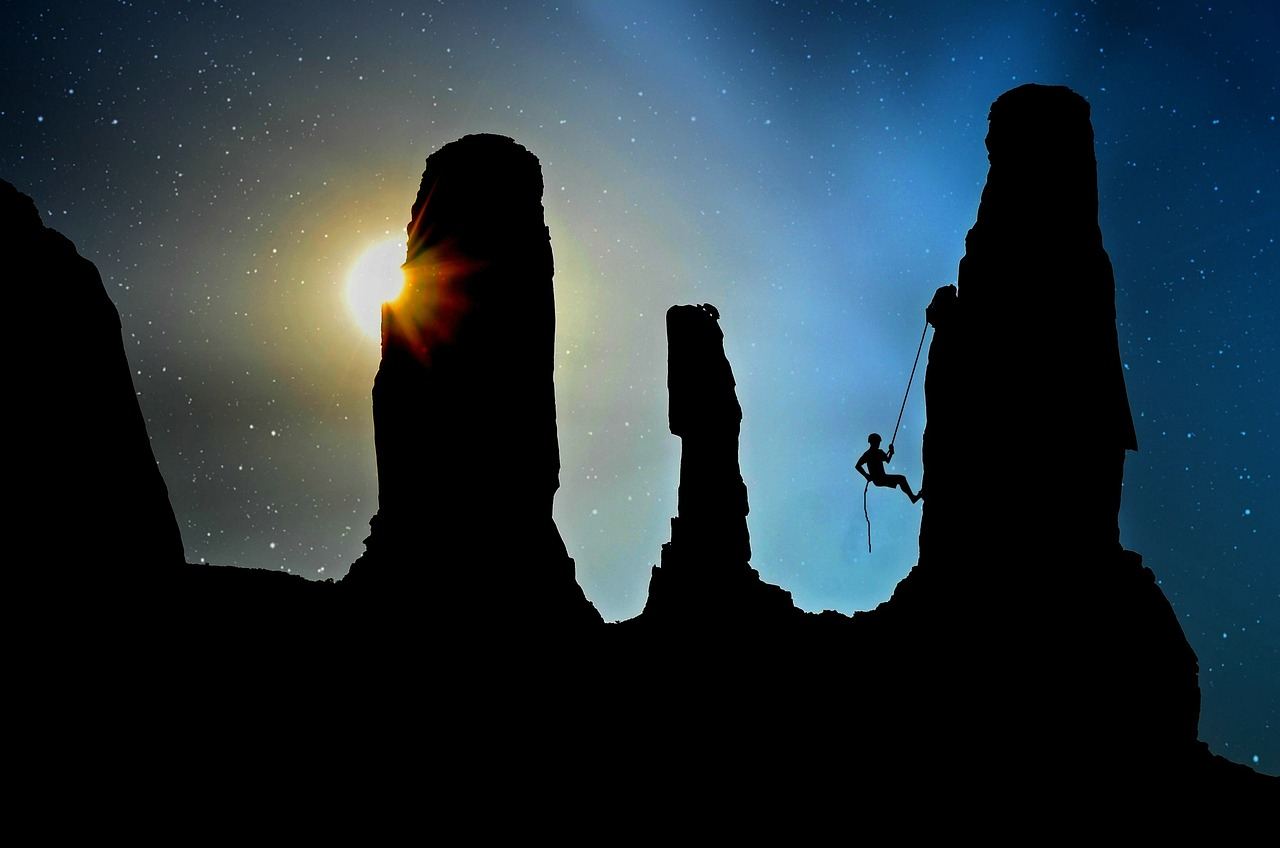
Free solo climbing isn't about navigating fear recklessly; it's the zen-like mastery of moves honed through thousands of safe climbs—a methodical practice, not madness.
Learning free solo climbing as a beginner involves understanding the risks and mastering essential climbing techniques without any safety gear. No rope, no harness, and no protective gear of any kind.
A fall at any height is likely fatal – that's not dramatic framing, it's the mechanical reality that separates free soloing from sport climbing, trad climbing, or bouldering, all of which use protection.
The only thing between you and the ground is technique, strength, and composure.
In free solo climbing, adults ascend rock faces without any ropes or protective gear, relying solely on their body for grip and movement, which involves memorizing holds, navigating difficult sections, and executing each climb with precision.
The practice involves clarified motivation through deliberate stress exposure, which helps climbers confront high-risk situations directly, thereby enhancing engagement and focus while continually refining their technical skills.
You think free solo climbing is about being reckless.
You picture Alex Honnold, El Cap, one wrong move from death. That assumption tells you it's all about ignoring fear instead of mastering it. But it's this misconception that keeps most people from ever touching a wall.
Free solo climbing is built on preparation, not bravado. Soloists don't skip safety gear until they've roped routes so many times it becomes instinct. Mental discipline here isn't mere thrill-seeking; climbers visualize every sequence relentlessly, much like meditation under stress. Fear doesn't disappear — it's systematically dismantled, step by step, until what's left is familiarity, not frenzy.
Alex Honnold free-soloed Freerider in 2017, but he'd practiced it roped over 50 times. That "reckless" moment was actually the climax of years of focused preparation.The gear, the technique, the mental framework — this is what really defines the hobby, and it begins much closer to the ground.
Watching Alex Honnold glide up El Capitan makes it look like meditation with altitude.
Your first session will feel nothing like that – it'll feel like your body is actively voting against every decision your brain makes.
The gap between watching and doing is where most people quietly abandon the idea.
It looks serene. It looks athletic. It looks like something you could work up to. Then reality hits: fingers screaming, feet slipping, and your brain catastrophizing. You're standing three feet off the ground, frozen in place.
Hands burning. Brain yelling quit. Three feet up and already doubting everything. This isn't a sign you're bad at it. It's part of building trust in your body's abilities.
Next up: mistakes that keep people stuck in this frustrating phase longer than necessary.
When to start: Early morning
Duration: 2 hours
Cost to try: $0
Success criteria: If you finished without falling from a height and felt challenged, do session 2.
Climbing feels routine after multiple attempts. So the rope might seem unnecessary. It is necessary until the moves become second nature.
Keep climbing with the rope until you can do it tired and distracted. Then consider free soloing.
Many start with physical training, hoping mental strength just appears. When free soloing, visualization is as critical as grip strength.
Mentally practice the entire route beforehand. Every move, especially tough sections, until it feels effortless in your mind.
Checking the weather isn't enough; the wall's state is crucial, too. Seepage, chalk, and changing temps alter friction unpredictably.
Climb the first moves and assess hold types. Feel the real conditions before committing.
Selecting a route just below your best feels cautious but isn't. Fear tightens movement and makes climbing harder.
Shoes that work after some climbing are risky from the start. Free solo means counting on every step immediately.
Opt for flatter shoes with dependable grip from the ground up.
Start connecting through MountainProject.com, searching 'trad climbing club [your city]' to find where serious climbers gather.
Local chapters of the American Alpine Club host mentorship programs and crag days with seasoned leaders. Check them out at americanalpineclub.org.
For beginner crag days and access tips, search 'climbing coalition [your state]' to tap into regional access groups.
Head to r/climbing on Reddit and mention your city and gym grade. You can quickly network with locals.
Community mentorship is crucial for free soloing. No sport governing body exists here—it thrives on hands-on guidance.
Introduce yourself as a gym climber aiming to learn trad skills. This approach gets you connected with mentors who respect your understanding of the climbing progression.
Traditional climbing involves placing removable protection as you climb, ensuring falls aren't fatal. It's the gateway before attempting free soloing, where you'll hone essential skills over years. Expect to spend $500–$1,000 upfront for gear, but safety is priceless.
Deep Water Soloing involves climbing unroped over water, ready to swim if you fall. It maintains the adrenaline and focus of free soloing without the irreversible danger. For thrill-seekers who want excitement minus lethal risk. Gear needs are minimal—just shoes and chalk.
Highball Bouldering tackles tall boulders, with 'short' being relative at 25–40 feet. Falls are typically survivable, though risk increases significantly with height. For those who want to push composure beyond typical bouldering limits.
Free Soloing ditches ropes, protection, and partners. Every climb demands total commitment, as falls are lethal. This isn't for beginners—it's for climbers with deep experience on the same routes. Only for those who've climbed these routes many times with gear.
Speed Soloing combines free soloing with the challenge of racing the clock, leaving no room for pause. A pursuit only for the highly skilled and very few. Not for beginners; know it exists, but don't pursue it early on.
If you want a related angle, Ice Climbing is the natural next stop.
Readers who enjoy this often gravitate toward Top Rope Climbing next.
Most beginners obsess over grip strength and memorizing routes. Those matter – but they're not why people freeze ten meters up without a rope.
The one skill that truly matters is proprioceptive body positioning under psychological load – knowing exactly where your weight is distributed across your feet even when fear kicks in.
Free soloists don't succeed because they're fearless. They succeed because they trust their feet so completely that fear fades into the background.
Mastering body positioning shifts work from your hands to your feet – reducing fatigue and preventing strain. Without it, each exposed move sparks a panic grip, burning your forearms and destabilizing you. This keeps climbers stuck on certain routes, unable to progress.
Downclimbing exposes false confidence in your footing – there's no moment to save you. Next, see where else precision is the game changer.
Try 8 sessions on a climbing wall over 30 days, about twice a week.These sessions build movement memory, essential for the craft of free soloing.
If you're itching to solve sequence problems between climbs, you're in.Dive into foundational trad and sport climbing skills, since free soloing is a mastery pursuit.
Feeling indifferent means you've experienced it as a workout, not a passion.That data suggests climbing isn't your language; more sessions won't change that.
Finding yourself miserable from exposure or technicality is a clear signal.It's a compatibility issue, not a motivation problem.
The unmistakable sign: you involuntarily assess walls and buildings for climbability.That's when you know your brain's already tuning into climbing.
Still looking for something to do? Browse things to do when bored for more ideas.
Free climbing uses ropes and safety equipment while still relying on your own strength and technique to ascend. Free soloing removes all protective gear, meaning a single mistake is fatal—making it an extreme sport only for elite climbers with years of experience. The mental and physical demands are entirely different.
Most free solo climbers train for 10+ years, starting with traditional rock climbing, building to sport climbing and top-rope climbing before attempting unprotected ascents. Even then, practitioners typically only free solo routes they've climbed hundreds of times. It requires exceptional skill, mental discipline, and risk assessment—not a beginner activity.
Free soloing itself isn't illegal in most places, but many climbing areas restrict or prohibit it due to safety concerns and liability. Always check local regulations and obtain permission from landowners or park authorities before attempting any unprotected climbs. Respect for rules and risk management are essential.
Even experienced free soloists face extremely high death rates—studies suggest serious climbers have fatal accidents at rates of 1 in 2,300 to 1 in 300 climbs. The margin for error is zero, making it statistically one of the world's most dangerous activities. This reality shapes training, route selection, and decision-making for practitioners.
Elite free soloists use decades of repetition, route memorization, and psychological conditioning to manage fear and build absolute confidence in their abilities. They rely on thorough risk assessment, knowing every movement on a route before climbing, and often climb only in optimal conditions. Mental training is as critical as physical skill development.
Unlike other climbing styles, free soloing deliberately eliminates ropes, harnesses, and protection gear. Climbers typically wear minimal gear—climbing shoes, chalk, and lightweight clothing—though some use climbing tape or gloves for grip. The lack of equipment reflects the philosophy of the sport: direct contact with the rock and pure reliance on skill.