BoredomBusted — Find Your Next Favorite Thing To Do
Discover hobbies, activities, places, and ideas that spark joy. Whether you're looking for something creative, active, social, or relaxing, BoredomBusted helps you find your next favorite thing to do.
Browse our hobby guides, things-to-do collections, and place ideas to never be bored again.
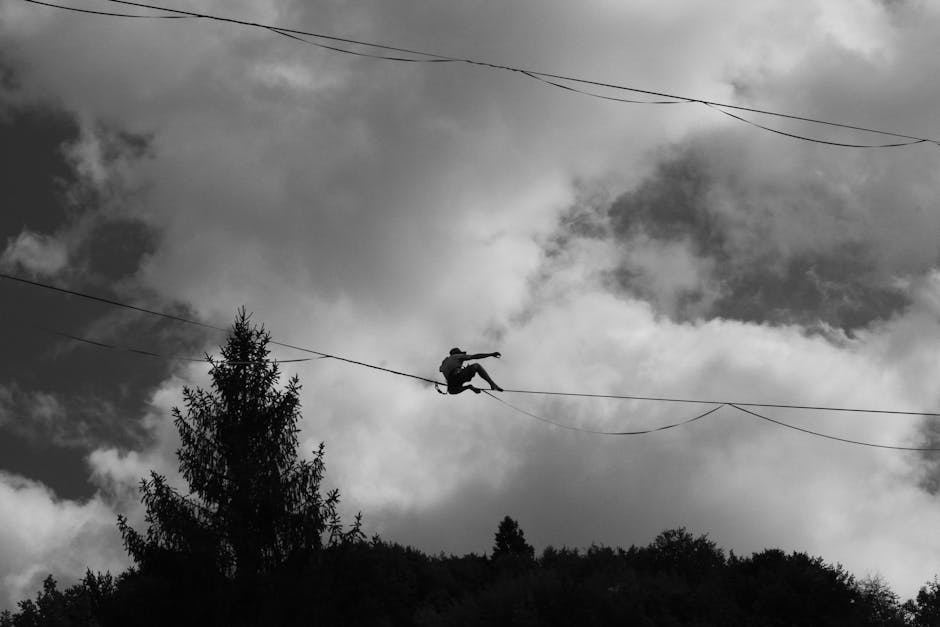
Highlining is less about fear and spectacle—it's a unique, technical discipline that sharpens body awareness and proprioception, much like martial arts.
Learning highlining as a beginner involves mastering the basics of balance and safety while navigating a thrilling experience elevated high above the ground. Highlining means walking a flat nylon or polyester webbing anchored between two high points – cliffs, towers, or buildings – typically hundreds of feet off the ground.
Unlike slacklining, which happens close to the ground, the height turns every wobble into a genuine consequence, makingmental control as critical as balance.
In highlining, practitioners walk across slacklines secured at great heights, balancing on a dynamic webbing line while attached to a harness and backup lifeline. The activity requires mastering techniques like walking, sitting-to-standing transitions, and eventually performing tricks such as handstands and rotations. Mental preparation involves journaling and mindset techniques, while physical f…
Highlining fosters a flow state, where practitioners engage intensely with their movements and surroundings, leading to a perfect zen mindset. The structured progression from basic balance to complex tricks creates continuous skill feedback, ensuring participants remain engaged and challenged. This blend of physical challenge and mental focus allows for creative expression and personal style deve…
You think this is a stunt hobby. Something for free-solo climbers with a death wish and a GoPro sponsor.
That assumption is costing you one of the most technically interesting balance sports alive.
A recreational slackliner in Colorado described his first highline session as "the first time I actually understood what my hips were doing." He'd been slacklining for two years. Highlining added resolution, like switching from a blurry image to a sharp one.
The real surprise lies in the equipment and technique.
That's exactly what the next section is for.
Watching someone highline might seem like serene stillness above the void. Doing it, on the other hand, feels like engaging every nerve in your body as you step out above the abyss.
The first shock is how shaky you feel. Your legs may never tremble on a slackline, yet here, even before clipping the leash, every fiber wants to abandon the task.
Week one is more about sitting than standing. It's not failure—it's the entire point of the early sessions. Week two brings a slight relief: legs stop shaking a smidge sooner, a subtle yet significant change.
Week three delivers a pivotal moment. Achieving one controlled stand alters your mindset. By week four, fear remains, but it's no longer overwhelming upon stepping out.
Practice falling before you start. Leash falls on a lowline ease the transition. Highline falls aren't inherently dangerous, but without preparation, your body's reaction can escalate to crisis, not routine.
It's about letting your body learn. Small, practiced falls reassure your system that not every tumble is a disaster, especially when the height might otherwise distort reality.
When to start: Early morning
Duration: 2 hours
Cost to try: $30
Success criteria: if you finished without falling, do session 2.
The thrill of height distracts from the basics. A highline adds fear to a routine you haven't automated yet.
Beginners often take a friend's gear and blindly trust it. This can lead to rigging accidents.
Rigging ignorance is dangerous. Take a rigging class before constructing your own setups.
Tight lines seem stable but make falls harsher. Over-tensioning punishes every small movement adjustment.
Many practice walking yet forget to rehearse falling. In a real fall, panic takes control.
Calm on the ground? Not up high. Beginners assume all is calm, missing how wind can destabilize the line.
Highlining is an outdoor pursuit across canyons, cliffs, and mountains. Anchors are secured into solid rock. Some enthusiasts also set lines over lakes or rivers, making falls less risky when training.
Kick things off by searching Facebook Groups for "highlining [your country/region]." These communities are most active on social media rather than traditional forums.
Approach a group in the wild and simply say, "I'm new and I don't own gear – is it okay if I watch a setup and ask questions?" This often leads to joining the next session, borrowing equipment, and experiencing a highline without any initial investment.
Rodeo slacklining swings and bounces because the line isn't tightly tensioned. It's like highlining with an extra challenge – no floor to catch you, and the line feels alive underfoot. Perfect for experienced highliners tired of coasting on muscle memory. You won't need extra gear, just keep the rig loose.
Waterline highlining takes place over lakes, rivers, or ocean coves. A fall means a swim, not a leash catch. The most approachable option for new high exposure walks, thanks to reduced psychological pressure. Just be sure to plan for boat or shore access, plus reliable over-water anchor points.
Urban highlining swaps natural anchors for buildings or bridges. Permits are the toughest hurdle – most setups are illegal, and when they're not, months of paperwork are usually involved. Best for those with slackline community ties and ample patience for red tape.
Space netting lets you crawl, lounge, or move on suspended net systems instead of walking a line. It's like aerial camping, demanding a similar rigging skill set and confidence at height. Ideal for those drawn to height and community without committing to a thin rope underfoot.
Overnight highlining combines big wall climbing culture with slacklining as you sleep suspended at height. It's the ultimate challenge that requires confidence in both highlining and climbing anchors. Expect steep gear costs when adding a portaledge, bivy setup, and redundant anchors.
Target Shooting lives in the same world — different mechanics, similar appeal.
A close neighbor worth considering: Skeet Shooting.
Some of the same instincts show up in Skateboarding — worth a look if this clicked.
Dynamic tension management separates those who thrive from those who merely survive on the line. Beginners often burn energy clinging rigidly, treating movement as the enemy.
The line continuously shifts. Fighting it leads to falls. Embrace movement instead.
It's about tuning into the line's oscillations and adjusting tension as needed.
Sync with the line, and balance is no longer a battle but a dialogue.
Without this skill, each wobble triggers panic, exhausting you quickly. With it, you conserve energy for the actual walk.
Master this skill, and your progression will accelerate.
Forget whether highlining looks like your thing. The only way to know is to put yourself in the environment and pay attention to what your body and brain actually do.
Try highlining for four sessions over 30 days. Ideally, two weekends and two practice days on a ground-level slackline. This setup helps you distinguish between initial panic and actual discomfort, while also letting you work on balance without a 200-foot drop looming.
You want to come back. Not because you were good but because the focus felt different from ordinary life. If being on the line felt like clarity and not stress, start building a local community and aim for a longer line.
If you're indifferent, you did it, survived, and it was fine. This might mean you haven't highlined yet, or conditions didn't engage you. Try at least one session on a proper rigged highline with an experienced crew before deciding.
If you didn't want to be there and were counting minutes until it ended, that's clear information. Some activities sound thrilling but aren't enjoyable in practice for everyone. Move on without guilt.
The sign you can't ignore is stopping on highlining videos to watch the walk, not the scenery. That quiet fixation means you're drawn to the movement itself.
Chronic vestibular issues make balance training at height risky – this isn't something to push through. No local slackline community or a tight schedule that can't accommodate 4–6 hour blocks can also be major hurdles. Highline sessions need undivided time for setup and execution.
If nothing here clicks, our guide to what to do when bored covers shorter, lower-commitment options.
Highlining is slacklining performed at significant heights, typically between trees, cliffs, or buildings, with safety equipment like harnesses and anchor systems. Slacklining can be done at ground level, while highlining specifically emphasizes the aerial element and requires advanced technical skills and safety protocols.
Most highlines require months of ground-level slacklining practice to build balance, mental confidence, and core strength. Beginners should start with beginner-friendly ground slacklines and progress gradually, ideally under guidance from experienced highliners or instructors, before attempting any elevated setup.
A typical 30–50 meter highline can take anywhere from 10 minutes to over an hour, depending on your skill level and mental comfort with the height. Even experienced highliners often take multiple attempts, as psychological factors play as large a role as physical ability.
Essential safety gear includes a harness, backup leash systems, properly anchored ropes, and carabiners rated for multiple times your body weight. The setup requires redundant safety systems—if the main line fails, backup systems must catch you—making proper training and equipment inspection critical.
With proper equipment, thorough training, and strict safety protocols, highlining's actual risk is quite low—modern anchor systems use multiple redundancies designed to prevent falls. The perceived danger is far greater than the real danger, which is partly why the mental challenge is so rewarding.
Entry-level slackline setups start around $100–$300, but quality highlining equipment (proper harness, redundant systems, anchor gear) typically costs $1,000–$3,000 or more. Many people begin with affordable ground slacklines and invest in premium safety gear only once they're ready to go aerial.