BoredomBusted — Find Your Next Favorite Thing To Do
Discover hobbies, activities, places, and ideas that spark joy. Whether you're looking for something creative, active, social, or relaxing, BoredomBusted helps you find your next favorite thing to do.
Browse our hobby guides, things-to-do collections, and place ideas to never be bored again.
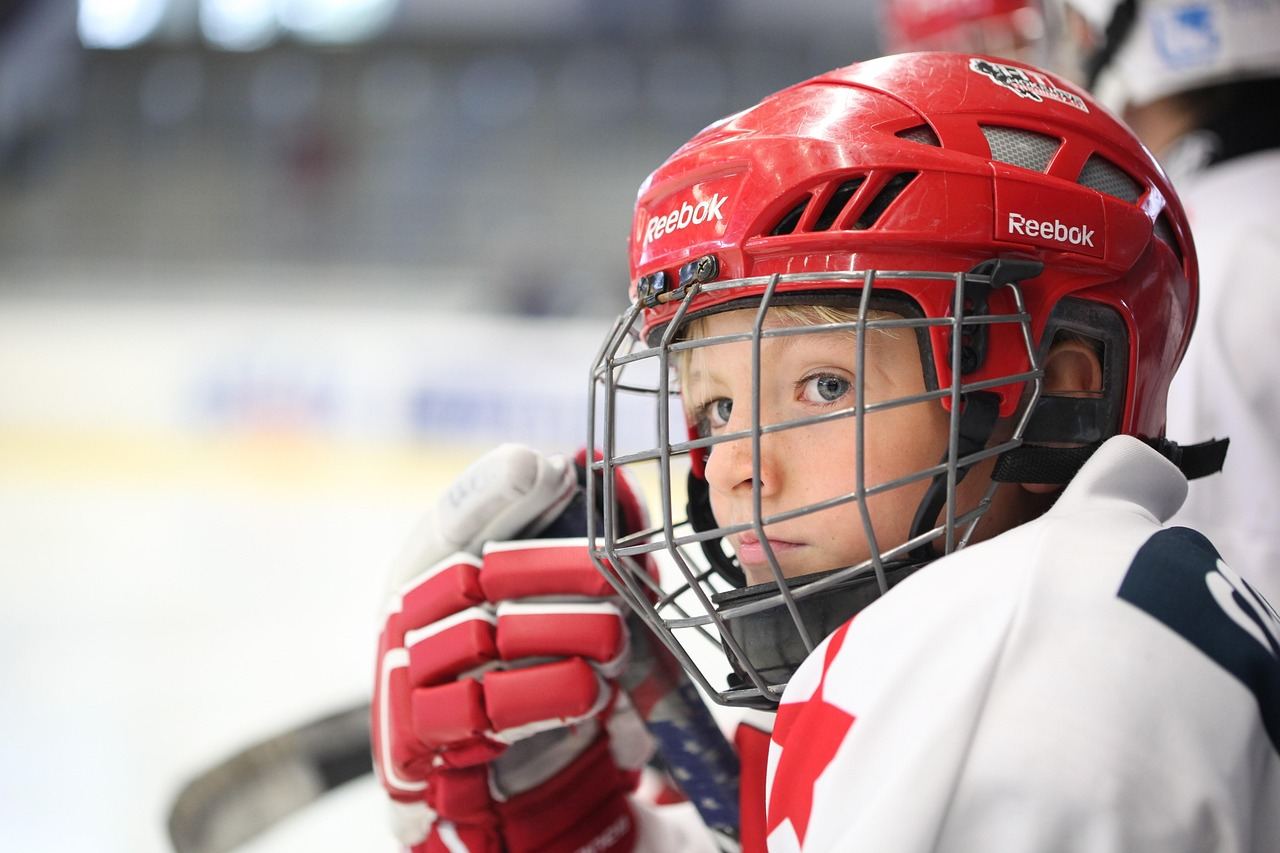
Hockey seems rough, but with beginner leagues and proper gear, you can ease in without the bruises—it's about skill before aggression.
Getting started with hockey as a beginner can be an exhilarating experience, where teamwork and skill come together on the ice. The pace is relentless — shifts last 45 seconds because players physically cannot sustain full speed longer than that.
That speed is what separates hockey from most team sports. Pucks travel over 100 mph on hard shots. Decisions happen in fractions of a second, on skates, while someone is actively trying to knock you off balance.
As a recreational hobby, pickup hockey and adult recreational leagues exist in almost every city with an ice rink — no prior experience required to join a beginner division.
In hockey, participants engage in hands-on physical drills that include power skating, stickhandling, and shooting practice on the ice, followed by scrimmages that focus on teamwork, tactical positioning, and skill application in a non-competitive setting.
Hockey fosters a flow state through skill-matched challenges, providing immediate feedback on performance and creating a sense of belonging among players, which combats boredom by reinforcing motivation and offering a sense of accomplishment from mastering complex techniques.
Hockey seems too rough for beginners. The idea of flying pucks and full-body checks is intimidating. But with the right gear and support, hockey can welcome players at any skill level.
Beginner leagues focus on teaching the essentials first, before moving to more intense play.
No-contact leagues offer a great starting point. Skill development takes priority over physicality.
Your first skate will humble you. You'll overestimate your balance, underestimate the ice's hardness, and discover muscles you didn't know existed. The bell rings before you're ready.
When to start: Morning
Duration: 1.5 hours
Cost to try: $20
Success criteria: if you finished without injuring yourself, do session 2.
Beginners often grip the stick too tightly or incorrectly. This messes up puck control.Use your top hand to guide the stick. Let your bottom hand provide support but remain loose. This helps with smoother passes and better accuracy.
Skating upright makes you slower and less agile. It also kills your balance.Bend your knees deeply and keep your center of gravity low. You'll move faster and react quickly.
Beginners fixate on the puck, losing sight of the game. This limits your playmaking ability.Use your peripheral vision to scan the ice while handling the puck. This keeps you aware of surroundings without losing control.
Rookies often skate all over trying to catch the puck. This wastes energy.Focus on anticipating where the puck will be. Stay in position to increase your effectiveness and efficiency.
Wanting to skate fast often leads to ignoring technique. This hinders overall progress.Start with balanced gliding and proper weight distribution. Work on stops and turns before worrying about speed.
Minnesota has the densest concentration with 200 rinks. Michigan holds 97 and Illinois follows closely with 90.
In New York, you'll find 77 rinks ready to host your games.
Hockey is growing in Las Vegas, Nashville, and Washington D.C.
Las Vegas has seen an 86.4\% increase in participation over five years. Nashville boasts a vibrant Predators fanbase supporting youth programs. Washington D.C. has experienced a hockey boom for the last decade.
MedStar Capitals Iceplex in D.C. is a pivotal community spot since 2006.
In Minnesota, Michigan, and Illinois, local rinks see the most activity. If you're near these states, you won't need to look far for players to join in.
Ice Hockey in Harlem is distinct as a 36-year-old program supporting youth development. It's a fantastic opportunity to be part of something meaningful.
Ice hockey is the most popular form around the world, and each region brings a unique twist. North American Style focuses on speed, skill, and tough physical play, especially in the NHL. European Style aligns with strategy and skill, using larger rinks to stress passing and puck control, popular in Sweden, Russia, and Finland. Feeling adventurous? The Czech/Slovak Style mixes skillful puck handling with physicality and creative offense.
Field hockey offers a completely different experience, played on grass or artificial surfaces. This variant thrives worldwide, especially in Australia, Europe, England, India, Malaysia, and Spain, with vibrant amateur and professional leagues.
Street or Dek hockey swaps skates for sneakers and is played on pavement or indoor surfaces. Using a ball instead of a puck, it's a big hit in North America, especially in Quebec, Canada.
Explore specialized forms of hockey for something unusual. Sledge or Sled Hockey is tailored for those with mobility challenges. Try Underwater Hockey if you love the pool, played on the pool floor. Bubble or Dome Hockey brings the action to tabletops with rod-controlled mini players. If you're intrigued by alternative sticks, Broomball uses brooms and a ball on ice.
Some of the same instincts show up in Padel — worth a look if this clicked.
A close neighbor worth considering: Disc Golf.
If you want a related angle, Billiards is the natural next stop.
Edge control is the single skill that separates skaters who improve from skaters who just survive each session. Not speed. Not stopping. Edges — how your blade tilts, grips, and pushes against the ice.
Most beginners try to muscle through movement — pushing harder, gripping tighter, tensing up. None of it works.
The blade does the work.
Your weight does the steering.
Once you feel the difference between your inside and outside edge, acceleration, stopping, and direction changes stop being things you fight through — they become things you set up.
Every drill and technique in the next section builds directly on this. Get comfortable with your edges first, and the rest starts to click.
This hobby is for you if you: - You're willing to spend serious money on equipment, ice time, and lessons without guaranteed returns - You enjoy activities where you're going to eat ice, get hit, and feel sore for days - You prefer team environments where you can't hide poor performance from your teammates - You want a sport where improvement takes years, not weeks It's probably not for you if: - You need to see quick results to stay motivated - You get frustrated when basic skills (stopping, turning) take months to develop competently - You prefer solo activities or sports where you control the entire outcome
If nothing here clicks, our guide to what to do when bored covers shorter, lower-commitment options.
You'll need skates, a stick, helmet with cage or visor, gloves, shin guards, elbow pads, shoulder pads, and a mouthguard as essentials. A jersey and hockey pants complete the setup. Most beginners rent gear initially rather than buy everything at once, which costs around $50–100 per session.
Most beginners can master basic skating and stick-handling in 4–8 weeks with regular practice (2–3 sessions per week). Understanding game rules and positioning takes another 4–6 weeks, though improvement continues throughout your first season as you build game sense and fitness.
Monthly costs typically range from $150–400 depending on league type and location—adult recreational leagues are cheaper than competitive divisions. Add $200–600 for initial equipment purchase if you buy new, or $100–200 if you buy used gear secondhand.
Not at all—many adult beginners start with no skating experience and progress quickly. Most facilities offer learn-to-skate programs before you join a team, and beginner leagues focus on skill development rather than competition, making it accessible to all fitness levels.
Ice hockey is played on frozen ice with a puck, while field hockey uses a ball on grass or artificial turf. Ice hockey requires skates and has 20-minute periods; field hockey uses running shoes and has two 35-minute halves. Both emphasize speed, teamwork, and stick skills but have different physical demands.
Yes—adult recreational leagues are designed specifically for beginners and non-competitive players of all ages. Many rinks offer beginner clinics and drop-in skate sessions to help adults build confidence before joining a team.