BoredomBusted — Find Your Next Favorite Thing To Do
Discover hobbies, activities, places, and ideas that spark joy. Whether you're looking for something creative, active, social, or relaxing, BoredomBusted helps you find your next favorite thing to do.
Browse our hobby guides, things-to-do collections, and place ideas to never be bored again.
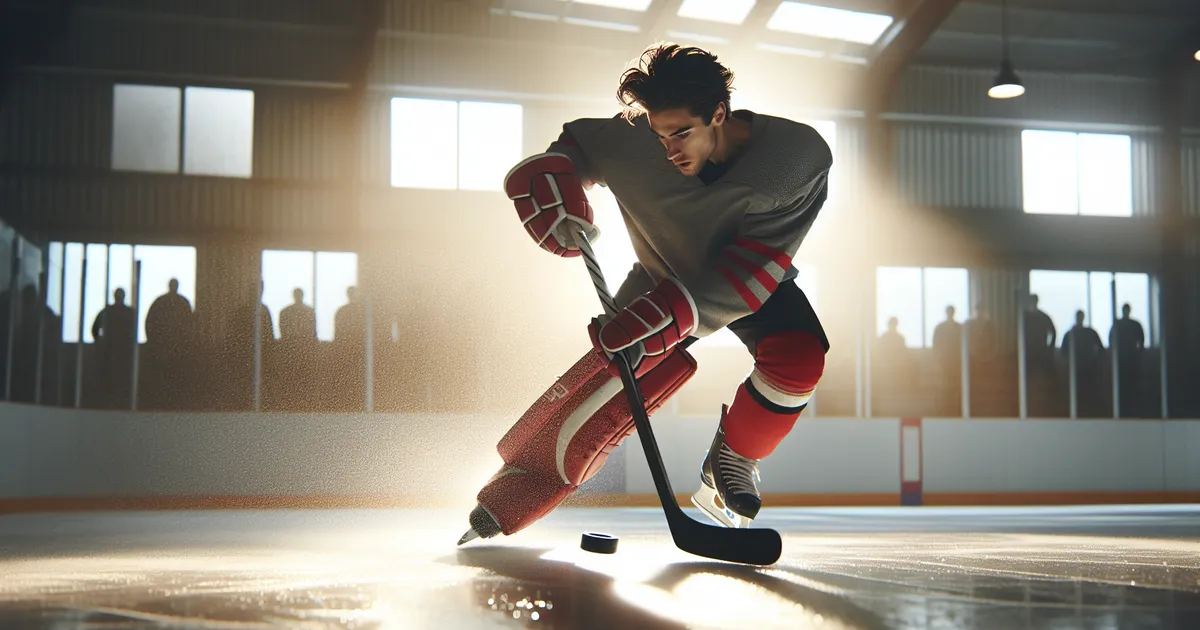
Ice hockey isn't just for lifelong players; most adult leagues cater to first-timers, making this demanding sport surprisingly accessible for beginners.
Getting started with ice hockey as a beginner offers an exciting introduction to a full-contact team sport played on ice. It's played on a frozen rink with two teams of six players. They use sticks to shoot a hard rubber puck into the opposing net.
The true thrill is the speed that sets it apart from roller or street hockey.
Skating compresses reaction times to fractions of a second. Every skill becomes tougher. Every moment is more intense.
In ice hockey, participants engage in skill-specific actions such as stickhandling a puck through obstacles, executing edgework to improve balance, practicing passing techniques against walls, and performing shooting drills to target accuracy—all typically in short bursts and focusing on individual skill refinement.
Ice hockey induces a flow state through its demand for rapid edge transitions and balance, providing instant feedback from puck control and a sense of accomplishment from mastering puck battles, which keeps participants engaged and connected to their progress.
You think ice hockey is for people who grew up in Minnesota or Canada, started at age four, and own at least one piece of equipment worth more than your TV.
That assumption is doing a lot of work – and it's wrong in almost every direction.
Derek was a 38-year-old accountant whose journey into hockey started when his kid began skating lessons. Eight months in, he found himself playing in a no-check adult league twice a week. He didn't focus on getting fast. He focused on getting smart—in understanding where the puck was going before it got there.
Most adult recreational leagues cater to beginners. Those lacing up for the first time at 30 or 40 make up their core, not the exception. Hockey's about precision and spatial awareness just as much as physicality. The gear feels daunting until you realize most rinks rent equipment, and used markets are huge. Affordable entry is very possible.
The moment you step onto the rink is the moment assumptions melt away. The early sessions have a unique feel, and understanding that process transforms the learning experience.
When you watch hockey, it seems fast because it truly is. But when you play, it's like expecting a sports car and getting a shopping trolley with a wobbly wheel.
Your first taste is all about stumbling and balance. Ankles protest, edges don't respond as expected, and stopping feels like learning a new language. It takes twenty minutes to feel you've run a marathon.
Initially, you'll spend most of the time figuring out how to fall without hurting yourself and getting up without checking your footing every time. Crossovers? They seem out of reach at first, but soon you'll skate a full lap without clinging to the boards. Actual control over the puck starts off clumsy, but touch and intention grow with each session.
You reach a point where quitting or persisting hangs in the balance. At this crucial moment, understanding finally clicks in, and your skates start feeling like extensions of your feet. Stick with it when most walk away.
Leaning forward is key. It might seem safer to lean back, but that trust in your heels is what sabotages your control, often sending beginners sliding backwards into the boards. Forward lean puts the power in your hands.
When to start: Morning
Duration: 1.5 hours
Cost to try: $20
Success criteria: If you can skate, control the puck, and complete 3 clean passes during a pickup game, do session 2.
Skating with skates that are too big turns your feet into flippers. Rental shops often size skates like sneakers, leaving newbies to struggle in boots that don't fit.
Go one full size down from your shoe size. Ensure your heel stays locked in with no lift when tightly laced.
Looking down at the puck, then at your feet, messes with your focus. Beginners often check their feet for safety, then get told to keep their eyes up.
Keep your eyes up using boards and other skaters as guides. Your feet can handle themselves, your edge control cannot.
Crouching by bending at the waist compromises stability. It seems similar to knee bending but wrecks edge control and stops you effectively.
Think "sit into a chair," not "bow." Keep knees over toes and your chest upright.
Holding the stick with a death grip creates tension that locks up your whole arm. This rigid grasp makes you poke rather than control the puck.
Hold the stick firm yet loose enough that your top hand could be tugged free with littleresistance.
Beginners often chase crossovers, skipping basic skills like gliding. Crossovers attract attention but lack a solid foundation without proper edge work.
Spend your first three sessions focusing on gliding, swizzles, and one-foot balance drills. Crossovers will come naturally once your edges are solid.
Ice rinks and indoor sports complexes are your destination for hockey. Most are privately owned or municipally operated.
No refs, no lines, no faceoffs – just skates and whoever shows up.
Pond hockey's rules are loose, emphasizing puck touch over physicality.
Ideal for adults seeking real ice time without league pressure.
Shinny is pickup hockey at public rinks – informal, self-organized, and often free with rink admission.
No checking keeps it open to all skill levels.
Recreational league hockey offers organized teams, real refs, and actual schedules.
Skill divisions keep play fair, so beginners don't face ex-juniors right away.
Expect $300–$600 per season, depending on city and division.
Ball hockey or dek hockey is played on a sport court or gym floor without skates.
Focus on stickhandling and play before ever stepping on ice.
Lower gear costs, as skates aren't needed.
Sledge hockey is designed for players with lower-body disabilities, using a double-bladed sled and pick-tipped sticks.
This isn't a watered-down version; it's a Paralympic sport with full-contact play.
It's important because most aren't aware of its existence, yet it's remarkable.
Some of the same instincts show up in Field Hockey — worth a look if this clicked.
Some of the same instincts show up in Roller Hockey — worth a look if this clicked.
Floorball is a sibling pursuit and often surfaces the same kind of curiosity.
Inside and outside edge pressure is the skill that changes everything – the ability to use one edge of your blade to change direction without losing speed. It's not about crossovers. It's not about stopping. It's about those pressure shifts that let you cut, pivot, and protect the puck as chaos unfolds around you.
Master your edges, and you stop thinking about balance. You start playing hockey. Without it, a slight bump can send you back to zero. Instead of reading the play, you're stuck reading the ice.
Every other hockey skill depends on this control. Passing, shooting, positioning – they're only accessible if your mind isn't occupied with keeping you upright.
Test ice hockey with six sessions over a month. That means about once a week, with some built-in time to move past initial struggles and truly start playing.
You're checking the rink schedule between sessions like it's a new crush's Instagram. This isn't a phase – it's the start of something real. Your next move is to join a learn-to-play program and eventually a no-check league.
It's fine, but you won't miss it. That's not indifference; it's clarity about what didn't click. Try six more sessions with a different focus, like a new position or a skills clinic. If nothing changes, you have your answer.
If the drive to the rink felt like an ordeal, pay attention. This isn't just beginner nerves; it's a mismatch between you and the sport. Plenty love hockey theory, but that doesn't mean the rink is their place.
Fixating on game footage means you're analyzing patterns, not just watching. If you're studying technique this early, hockey might be more than a pastime. Plan your next skate.
If ice hockey sounds close but not quite right, our hobby list might surface something better suited.
Looking for something lighter? Our boredom-busters guide is built for exactly that.
Initial costs typically range from $300–$800 for basic equipment (skates, helmet, gloves, stick, protective pads), with league registration fees adding $150–$500 per season depending on your level and location. Rink time rental or membership fees vary, but many beginners start with drop-in sessions or recreational leagues that are more affordable than competitive play.
While it's challenging to learn both skating and hockey simultaneously, it's absolutely doable with consistent practice—most beginners develop basic competency within 4–8 weeks of regular lessons. Many rinks offer beginner-friendly skating classes and hockey clinics designed specifically for people with no prior experience, so you won't be starting alone.
Essential gear includes ice hockey skates, a helmet with cage or visor, protective padding (shoulders, elbows, knees, shins), hockey gloves, a jersey, hockey pants, and a stick. Most beginners can rent equipment initially from their local rink rather than buying everything upfront, which helps you figure out your preferences before investing.
You can play in recreational leagues within 8–12 weeks of training if you practice 2–3 times per week, though true skill development continues for years. Most programs structure beginners into age or skill-appropriate levels, so you'll be playing against others at your level rather than experienced players.
Your first session will likely focus on basic skating techniques, stopping, and turning before you even touch a puck—expect to be tired and possibly sore. Once you move to actual hockey drills, you'll learn stick-handling and basic plays in a controlled environment before playing in a real game.
No—ice hockey has leagues and programs for all ages and fitness levels, from youth development to adult recreational leagues for people who start in their 50s or beyond. Many beginner programs focus on having fun and building community rather than intense competition, making it accessible to anyone willing to learn.