BoredomBusted — Find Your Next Favorite Thing To Do
Discover hobbies, activities, places, and ideas that spark joy. Whether you're looking for something creative, active, social, or relaxing, BoredomBusted helps you find your next favorite thing to do.
Browse our hobby guides, things-to-do collections, and place ideas to never be bored again.
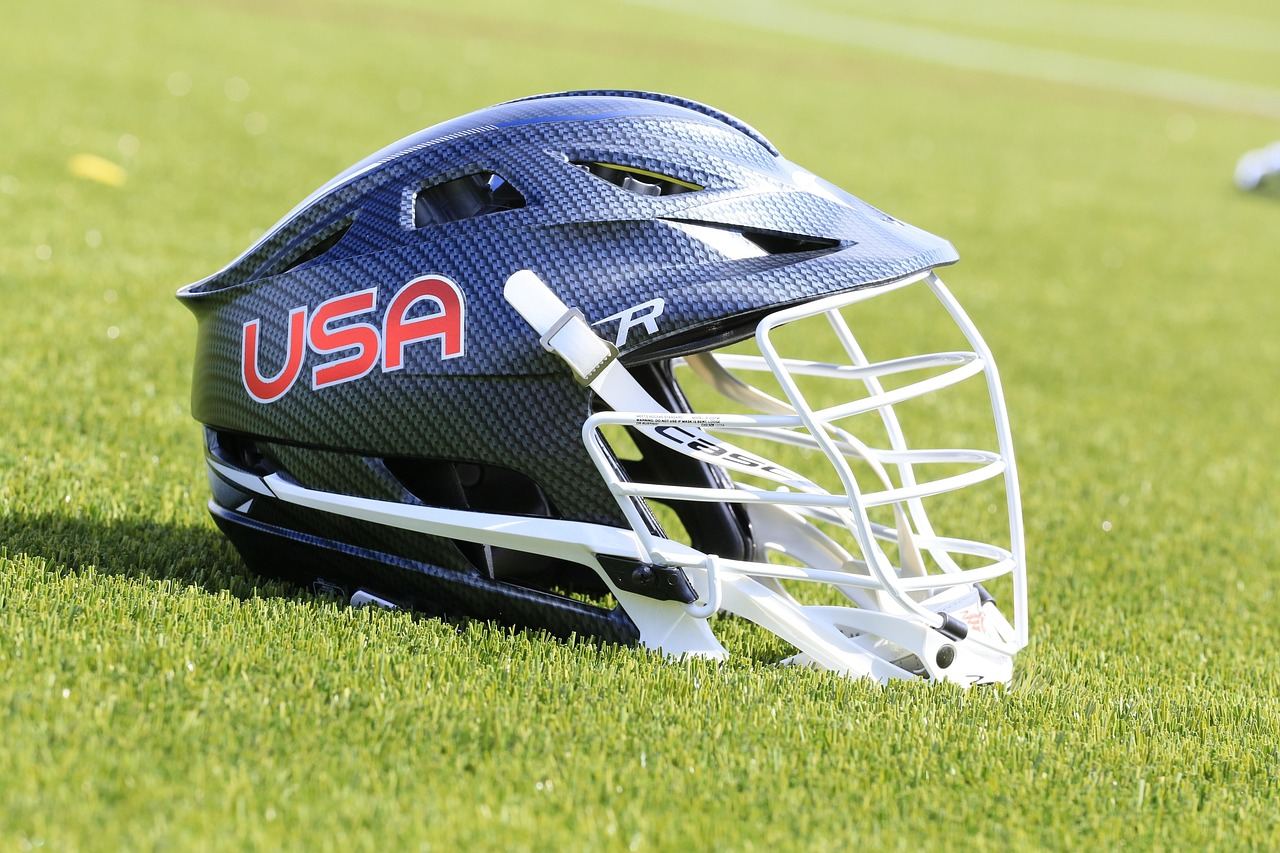
Lacrosse’s rise isn’t confined to prep schools — it reflects a global embrace that intertwines athletic skill with deep Native American heritage.
Getting started with lacrosse as a beginner combines elements of basketball, soccer, and hockey into one fast-paced game. But here, players use long sticks with nets, adding unique challenges.
Agility, strategy, and teamwork come to life in this exhilarating sport.
In lacrosse, participants engage in skill-specific drills like wall ball, agility exercises, and plyometric movements, focusing on improving stick handling, passing accuracy, footwork, and overall fitness, often practicing solo or in small informal groups to prepare for recreational play.
Lacrosse fosters a flow state through rapid skill feedback loops, where immediate performance results—like successful catches and improved agility—create a sense of mastery and accomplishment, while the dynamic nature of the sport prevents monotony and enhances social belonging during practice.
You might think lacrosse only thrives in far-off prep schools and elite colleges. But that image is long outdated.
Lacrosse is booming. Its popularity is spreading worldwide, reaching diverse communities. It's a sport with deep Native American roots, offering both cultural insight and athletic challenge.
The game isn't all about raw power. Lacrosse demands careful strategy and precise execution. Outsmarting opponents and frictionless teamwork are at its core.
Old school myths aside. All skill levels are welcome. Lacrosse has room for everyone, from veterans to newcomers.
Next, let's explore what gear you actually need to start playing.
Stepping out for your first lacrosse session feels like a mix of excitement and confusion. A bit of nervous anticipation bubbles under the surface as you hold your stick, ready to begin.
Basic skills like cradling, passing, and catching will feel awkward at first. It's similar to dribbling a basketball with one hand tied behind your back, but that's part of the experience.
The game's pace will surprise you. The ball moves fast, and so does everyone else. Yet, scoring your first goal or intercepting a pass brings an unmatched rush of exhilaration.
When to start: Early morning
Duration: 90 minutes
Cost to try: $30
Success criteria: If you cradle and complete 20 clean wall passes in a row with your dominant hand, do session 2.
New players often get drawn to advanced skills and overlook essential techniques. Yet,
cradling, passing, and catching are the backbone of your game.
A tight grip harms your control and effectiveness. Instead,
keep a relaxed grip with proper hand positioning.
Defense isn't flashy, but it's vital. Running after the ball isn't enough—
position yourself well and anticipate opponents' moves.
Lacrosse demands high fitness levels, yet many beginners fall short.
Add cardio and strength workouts to your routine to stay game-ready.
Lacrosse communities are thriving both locally and online. Most towns and cities have clubs or leagues where you can jump in and start playing. Check out local sports centers or community boards to find teams looking for new players.
Online, you can connect with other enthusiasts through forums and social media groups. Websites like Reddit and Facebook host active lacrosse communities where you can learn tips, share experiences, and even arrange meet-ups.
Field lacrosse is the most popular version. With ten players per team on a large field, it's ideal if you like strategy and speed.
Box lacrosse is played indoors with six players per team. The smaller space means more action and is perfect for those who love intense, fast-paced sports.
Women's lacrosse features different rules and gear. It emphasizes skill and speed over physical contact, appealing to those seeking a less aggressive sport.
If this resonates, BMX explores a similar direction.
Flag Football lives in the same world — different mechanics, similar appeal.
Another variant that pulls from the same roots is Wakeboarding.
Spatial awareness is at the heart of lacrosse. It's not just about knowing your own position. It's about understanding where everyone else is, too.
Effective players master positioning—when to move, when to pass, how to create space. This awareness enables split-second decisions.These quick decisions can turn the tide of a match.
Improving this skill isn't just about playing more. It also requires studying the game. Watch matches, analyze plays, and learn to predict movements. Building this mental agility is as crucial as physical prowess.
Commit to six lacrosse sessions over a month. Play twice a week to feel how the game fits into your routine.
If you feel energized and can't wait for the next game, that's a sign. You might already be thinking of new strategies. Consider joining a local league or upgrading your gear.
If you find yourself indifferent, it could just be unfamiliarity. Attend one fast-paced practice session before deciding. Team sports can take time to fully appreciate.
If you dread heading to each session and avoid the physical contact, it's not your thing. It's okay to acknowledge that and explore other sports that better suit your preferences.
The one sign you shouldn't ignore: getting excited by new attack patterns you find online at midnight.
Looking for something different? The hobbies list is the easiest way to scan what else is on the table.
When you don't want to commit, things to do when bored is a better starting point.
You'll need a lacrosse stick (head and shaft), a ball, protective gear including a helmet with cage, gloves, shoulder pads, arm pads, and cleats. Most beginners can start with a basic starter set, and protective equipment is mandatory for safety. Many clubs and schools provide rental gear if you want to try the sport before investing in your own.
Initial equipment costs range from $150–$400 for a complete beginner setup, though you can find used gear cheaper. Club fees or league registration typically run $200–$600 per season, plus potential coaching or clinic costs. Many community programs offer affordable entry points or equipment assistance for new players.
Most players develop fundamental stick control and basic game understanding within 4–6 weeks of regular practice. You can begin playing in structured games within 2–3 months with consistent training. Becoming proficient at advanced techniques like dodging and shooting typically takes 6–12 months of dedicated practice.
Lacrosse has a moderate learning curve—the stick handling takes initial adjustment, but the basic rules and gameplay are straightforward. Most athletes with decent hand-eye coordination pick up foundational skills quickly. The sport is welcoming to beginners, and team environments provide natural support for learning.
Lacrosse programs typically start for kids around age 6–8, though many don't see competitive play until middle school. Adults can start at any age—adult recreational leagues are growing nationwide. There's no upper age limit; people play lacrosse well into their 50s and beyond.
While team play is the traditional format, you can practice stick skills individually or in informal groups. Many communities have recreational leagues for all skill levels that are easy to join. Clubs and schools offer structured programs, but drop-in practices and casual sessions exist as entry points for solo learners.