BoredomBusted — Find Your Next Favorite Thing To Do
Discover hobbies, activities, places, and ideas that spark joy. Whether you're looking for something creative, active, social, or relaxing, BoredomBusted helps you find your next favorite thing to do.
Browse our hobby guides, things-to-do collections, and place ideas to never be bored again.
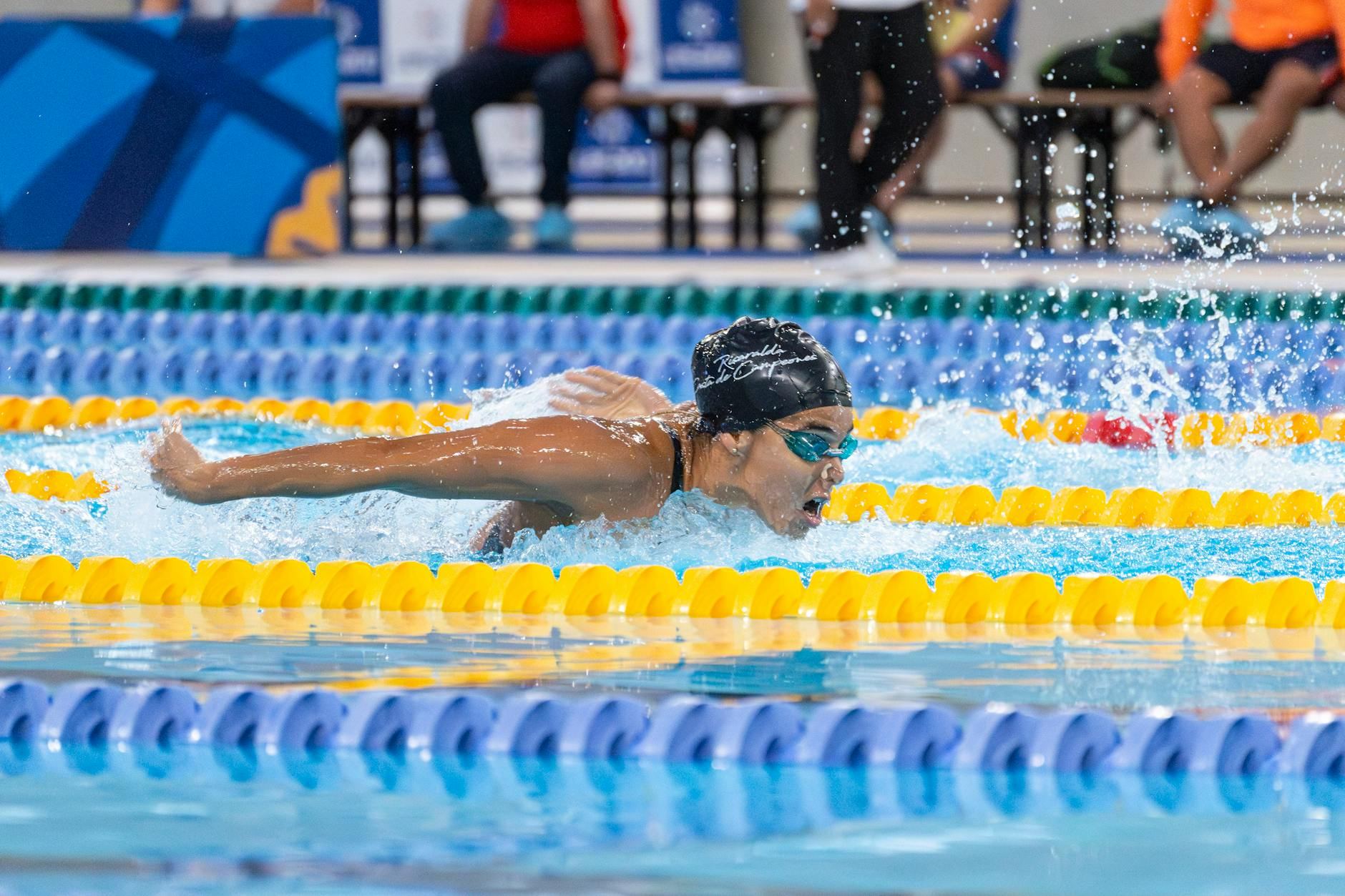
Lap swimming isn’t just low-impact exercise for seniors; it’s a complex mental and technical pursuit where every stroke is a new challenge.
Getting started with lap swimming as a beginner allows you to tailor your workouts by controlling every variable for a personalized workout.
Swim back and forth at your pace with freestyle, backstroke, breaststroke, or butterfly.
Choose your lane, distance, speed, and rest. It combines fitness with a meditative rhythm.
Lap swimming involves repeatedly swimming laps back and forth in a pool, using structured sets that include various strokes like freestyle and backstroke, focusing on technique, distance, and pace while tracking performance metrics with fitness devices.
Lap swimming combats boredom through structured interval breaks and skill feedback loops, offering immediate sensory cues and social interaction that keep the experience engaging and motivating, while also providing a physical challenge that fosters a sense of accomplishment.
You think lap swimming is just for staying safe on aging joints. Or some form of gym class torture. It's not about that at all.
Someone who has swum consistently for two years has done more than get fit. They've redefined how they interact with water. The once clumsy strokes of month one become a harmonious rhythm, and they begin achieving times they never thought possible.
But let's talk gear. It's simpler than you'd expect, but a wrong choice can make swimming needlessly difficult.
Jumping in the pool has a way of revealing the truth. Arms burn, goggles fog, and you're gasping against hard-edged turns. Lungs seem to forget their job the moment you're submerged. It's a wake-up call about the gap between the graceful swimming you imagined and the actual experience.
You're not weak; you're learning a new rhythm. In week one, freestyle breathing feels bilateral and strange. It's rhythmic in a way your body hasn't automated yet. Getting comfortable with it is what makes your muscles feel used, not the swim itself.
Forget flip turns for now. You'll be tempted to skip them, which is fine. Focus on slowly exhaling underwater. It helps make the inhale a quick, easy action instead of a desperate gasp for air.
So, what do you do when nothing feels natural? The next section dives into common mistakes that hold swimmers back.
When to start: Early morning
Duration: 1 hour
Cost to try: $5
Success criteria: if you finished without experiencing extreme discomfort, do session 2.
Most beginners default to breathing on their dominant side because it feels easier and more natural. This habit creates an uneven stroke over time.
Switch your breathing every three strokes. Balance your mechanics and prevent developing a lopsided pull as you increase your yardage.
Beginners often focus on just making it through each lap, neglecting to log their distance. This leaves them clueless about progress.
Document your yardage in a notes app the moment you leave the pool. Even jotting down "4x25m" helps you identify patterns over time that reveal improvements.
The allure of fresh water and a short pool leads to sprinting those first two laps. Fatigue sets in by lap four, leaving you clinging to the wall.
Maintain a pace that allows light conversation. Finish the full set comfortably before gradually increasing intensity once you can sustain 20 minutes without stops.
Beginners shy away from flip turns due to the challenging underwater spin. Open turns are easier but slower.
Practice tumbling in the shallow end first. Perfect the flip without a full swim, making the rotation feel natural while standing still.
A high-elbow catch remains unseen by beginners until bad habits form. Without correction, dropped wrists significantly reduce pull efficiency.
Capture underwater footage of your swim or ask a lifeguard for feedback on one length. Correcting wrist position boosts force and efficiency significantly.
Lap swimming happens in one place: a pool. That means public swimming pools, gym & fitness centers, university recreation centers, and private swim clubs are your four realistic options.
Walk up to the front desk and say: "I'm new to lap swimming – is there a slower lane or a coached session for adults starting out?"
That one sentence usually gets you a lane assignment away from the competitive swimmers, and often a heads-up about coached Masters sessions you won't find advertised anywhere.
Forget the pool's boundaries. You're out in lakes, rivers, or the ocean without lane ropes or walls.
This is for swimmers with pool fitness seeking an extra challenge.
Expect navigation, currents, and colder water. A wetsuit costing $150–$300 is usually needed.
Join a Masters Swimming program. Workouts are planned with lanes sorted by speed. Coaches keep you progressing.
Great for adults who want consistent progress and accountability.
Fees range from $40–$80 per month plus pool costs.
Prioritize aerobic endurance and practice sighting drills over perfect form. Flip turns take a backseat here.
Ideal for swimmers with specific race goals.
Water Polo Conditioning mixes laps with sprints and vertical kicking. It's unpredictable and energizing.
Perfect if straight laps aren't mentally stimulating.
Enhance your swim with fins, paddles, or a pull buoy to target specific skills and strengths.
Great for intermediate swimmers breaking down their stroke for improvement.
A basic set of gear costs $60–$100 and lasts years.
If the texture of this appeals to you, Open Water Swimming is built on similar bones.
Competitive Swimming is a sibling pursuit and often surfaces the same kind of curiosity.
If the texture of this appeals to you, Road Running is built on similar bones.
Most beginners focus too much on speed, worrying about how fast they move their arms. This effort isn't the true limitation. It's actually drag.
Body rotation is pivotal for making progress. It's a hip-driven roll with each stroke, not just a small wiggle. By executing a full rotation, one shoulder dips into the water as the other rises. This keeps you slicing through water rather than dragging across it.
Body rotation transforms your swim. Without it, you face resistance, and your body becomes a wall the water pushes against. But with proper rotation, your reach extends naturally. Your breathing becomes relaxed, and your stroke draws power from your core, not your fatigued shoulders. Missing this fundamentally stalls progress instantly, leading swimmers to mistakenly believe they're not cut out for swimming.
Next, we'll explore methods to master this crucial swimming skill.
Eight sessions over 30 days. Two sessions per week allows for recovery, scheduling, and adjusting to a new habit. It's just enough to move past the beginner phase and begin truly engaging.
If you find yourself planning your next swim before you've even dried off, that's real enthusiasm. Track your distances and search for a simple training plan. You've found your lane.
If all eight sessions left you feeling indifferent, don't worry yet. Add four more sessions and switch things up: try a different stroke or swim at a new time. Sometimes, finding your rhythm takes a bit longer. But if there's still no change after twelve, accept it as your answer.
If you were checking the clock each time, not just because it was tough, but because you didn't want to be there, that's clear feedback. Solitude and repetition can be draining for some. Recognize it and explore other activities.
You keep noticing the lap pool when passing the gym, or estimate session times out of curiosity. That lingering interest is a sign swimming might be for you — heed it.
Plenty of people land on lap swimming after browsing the full hobbies list — that's a fine place to start, too.
Most beginners see noticeable improvements in stroke efficiency and breathing within 4–6 weeks of consistent practice. Significant endurance gains typically develop over 8–12 weeks as your body adapts to the water and muscle memory builds.
Begin by swimming shorter distances at a comfortable pace, focusing on proper breathing and stroke form rather than speed. Consider a few lessons with a coach to learn correct technique early, which prevents injuries and accelerates progress.
Pool access ranges from $30–$100+ per month at gyms or community centers, though some public pools offer cheaper day passes or memberships. Some facilities provide group classes or coaching for an additional fee.
No—lap swimming is one of the lowest-impact exercises available since water supports your body weight and reduces stress on joints. It's often recommended for recovery and is suitable for people with arthritis or previous injuries.
Swimming 3–4 times per week is ideal for steady progress while allowing adequate recovery time. Even 2 sessions weekly will build strength and endurance; consistency matters more than frequency.
A swimsuit, goggles, and a swim cap are the essentials; a kickboard or pull buoy can help with technique drills but aren't required initially. Many swimmers add equipment gradually as they develop their skills.